
Lugana: A German love affair - How tourism shaped one of Italy’s most successful white wines
In the world of wine, success isn't always about what's in the bottle. Sometimes, it's about where the bottle is sold. This is the story of Lugana, a wine whose fate was sealed by its proximity to one of Italy's most beloved tourist destinations: Lake Garda.
The German connection
The success of Lugana can be largely attributed to German tourists who flock to Lake Garda. This connection highlights a crucial lesson in wine marketing: context and geographical location can be decisive factors in a wine's commercial success. As my old economics coach used to say, it's not always about the product itself, but where it's positioned in the market.
Consider this: if Soave, another Italian white wine made with the same indigenous grape, had been produced in Colà (near Lake Garda) instead of its actual location in the province of Verona, it might have enjoyed the same commercial success as Lugana. Those 50 kilometers made all the difference.
Quality follows success
With the influx of German tourists and their spending power, the quality of Lugana has seen a remarkable improvement over the last 15 years. Today, there are significantly more high-quality Lugana wines than there were 15-20 years ago.
However, this success is a double-edged sword. While it has driven up overall quality, it has also led to an increase in mass-produced wines aimed at discount stores in Germany. Some of these are, frankly, undrinkable, relying solely on the Lugana name and the shape of Lake Garda on the label to sell.
A case study: Ca' dei Frati
The story of Ca' dei Frati serves as a cautionary tale. Once a benchmark for quality Lugana, it has fallen victim to its own success. In an attempt to meet enormous demand, production has increased at the expense of quality. Today, Ca' dei Frati has become a standardized product, available in all German discount stores, and has lost its appeal among serious wine enthusiasts.
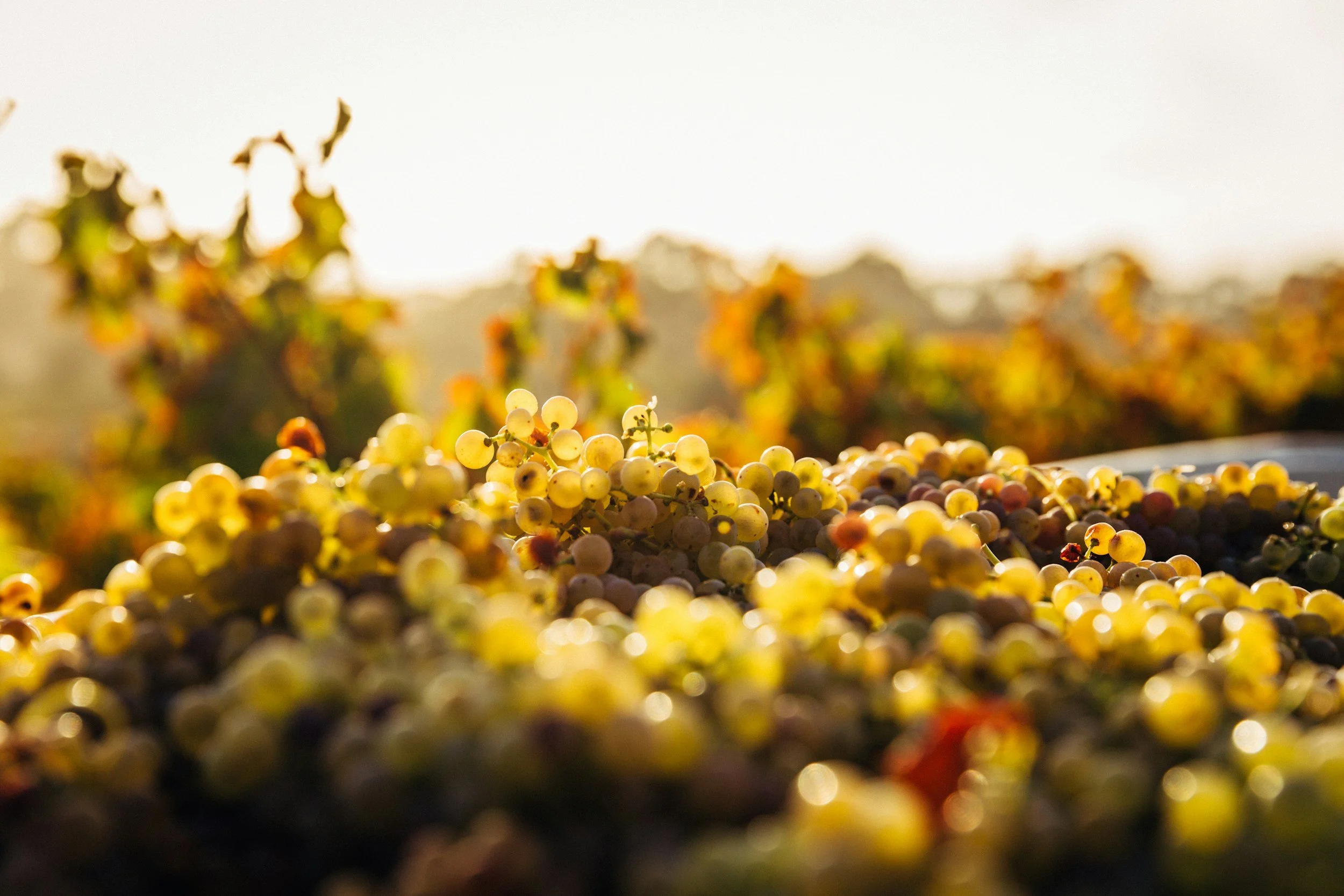
The shining star: Montonale's Lugana Montunal
Amidst this landscape of varying quality, one producer stands out: Montonale. Their 2022 Lugana Montunal, exemplifies the potential of this wine when quality is the first priority over everything else.
Tasting Notes:
Nose: Saline hints, white flowers, juniper, thyme, and citrus peel
Palate: Tense, fresh, savory, stony, and structured
Finish: Layered and complex, revealing an almost obsessive attention to quality
The Lugana from Montonale has been consistently improving with each vintage, showcasing what this wine can truly be when crafted with care and expertise.
The story of Lugana is a fascinating study in the interplay between tourism, market forces, and wine quality. It reminds us that in the world of wine, success is not just about what's in the glass, but also about the story behind it and where it's sold. As wine enthusiasts, it's crucial to look beyond labels and seek out producers who maintain quality even in the face of commercial success. Montonale's Lugana Montunal stands as a shining example of this commitment to excellence.
More than a wine - A cultural phenomenon
Lugana’s journey is about more than just wine—it’s a case study in the interplay between tourism, branding, and market influence. The German connection not only shaped its success but also presents a cautionary tale: How does a wine region balance commercial demand with maintaining its artisanal roots?
For wine enthusiasts, the lesson is clear: Look beyond the labels and mass-market appeal. Seek out producers like Montonale, who continue to honor Lugana’s heritage with unwavering commitment to quality.
Discover the elegance and authenticity of Lugana. Explore our curated Montonale collection at https://www.porcalorca.com/shop
Sources and references
To provide a well-rounded perspective on Lugana’s evolution, this article draws from multiple industry insights and expert analyses. Key references include:
Consorzio Tutela Lugana DOC: Official reports on production trends and export statistics.
Italian Wine Market Studies: Research on the impact of tourism on regional wine sales.
Winemaker Interviews: Conversations with producers, including Montonale, on Lugana’s quality evolution.
Historical Wine Trade Data: Analysis of German import records and consumer preferences.