
Lugana wine & climate change: Can sustainability save this historic region?
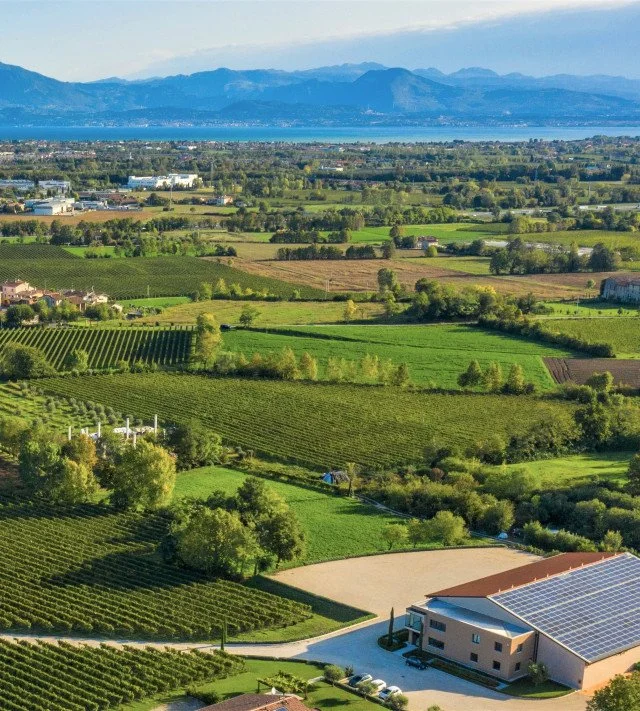
Nestled at the southern tip of Lake Garda, the Lugana wine region is a picturesque tapestry of rolling vineyards and historic villages, straddling Lombardy and Veneto. Known for its unique terroir and the distinctive Turbiana grape, Lugana produces white wines that are celebrated for their elegance, minerality, and aging potential. However, as climate change reshapes wine regions worldwide, Lugana faces profound challenges that test its resilience and commitment to sustainability.
A land defined by tradition and terroir
Lugana’s story begins with its geography. The region’s calcareous clay soils, rich in mineral salts, provide an ideal foundation for Turbiana vines, while the moderating influence of Lake Garda creates a microclimate that protects against temperature extremes. These factors give Lugana wines their hallmark traits: crisp acidity, floral aromas, and the ability to develop complexity over time.
Established as one of Italy’s oldest DOCs in 1967, Lugana has gained a global reputation despite its small size—just over 1,000 hectares of vineyards. From the light and fresh Lugana DOC to the more structured Riserva and sparkling Spumante, the region’s wines are as diverse as they are exceptional.
Sustainability in action: A commitment to the future
At Porcalorca, we are passionate about preserving Italy’s small, family-driven wineries, championing sustainable practices that protect winemaking heritage—just as the winemakers of Lugana do. Lugana’s producers have long understood that preserving their delicate ecosystem is essential to maintaining the region’s identity. The “Consorzio di Lugana,” established in 1990, has taken proactive steps to promote sustainability across viticulture and winemaking practices. Key initiatives include:
Organic Farming – Many Lugana producers have adopted organic and biodynamic methods, prioritizing soil health and biodiversity.
Water Conservation – Efficient irrigation systems and soil moisture monitoring help minimize water usage, addressing the increasing threat of drought.
Reduction of Agrochemicals – By embracing natural pest management techniques and cover cropping, Lugana’s vineyards thrive with minimal chemical intervention.
Lugana’s commitment to sustainability is more than an environmental choice—it’s a strategy to protect the region’s legacy for future generations.
Climate change: A new challenge for Lugana
Despite these efforts, climate change presents unprecedented challenges for Lugana:
Rising Temperatures – Higher temperatures accelerate grape ripening, leading to earlier harvests. For Turbiana, this can result in higher sugar levels and reduced acidity, altering the wine’s traditional profile.
Water Scarcity – Extended drought periods strain water resources, forcing producers to reevaluate irrigation practices and adopt drought-resistant rootstocks.
Extreme Weather Events – Heatwaves, storms, and hail are becoming more frequent, threatening yields and vineyard health.
Vineyard Loss – A planned high-speed railway project could result in the removal of 750 acres of Lugana vineyards - a significant reduction in an already small appellation.
Long-Term Viability – Studies indicate that Mediterranean wine regions, including Lugana, could become climatically unsuitable for high-quality wine production by the end of the century if global temperatures continue to rise unchecked.
Adapting to change: Innovation and resilience
Lugana’s winemakers are not standing idly by. Instead, they are adopting innovative strategies to ensure the region’s survival:
Heat-Tolerant Varieties – Research into rootstocks and grape clones better suited to hotter climates is underway.
Improved Canopy Management – Techniques like leaf shading protect grapes from sunburn and help maintain optimal ripening conditions.
Precision Viticulture – Technology such as satellite imagery and soil sensors enables more efficient vineyard management, reducing waste and enhancing grape quality.
Exploration of Higher Altitudes – Some producers are experimenting with planting vineyards at higher elevations to benefit from cooler conditions.
The future of Lugana: A balancing act
Lugana’s story is one of contrasts: ancient soils shaped by glacial activity and modern innovations designed to combat climate change. Its survival hinges on the ability of winemakers, policymakers, and environmental advocates to work together, ensuring that sustainability remains at the forefront of every decision.
The Consorzio di Lugana’s efforts to protect its vineyards, promote eco-friendly practices, and adapt to climate challenges reflect the region’s commitment to balancing tradition with progress.
A call to action
Lugana’s wines capture the essence of a region defined by its unique terroir and the passion of its people. But as climate change threatens the future of winegrowing here, consumers have a role to play. By supporting wineries that prioritize sustainability, we contribute to the preservation of regions like Lugana - ensuring that their stories continue to unfold, one bottle at a time.
Support sustainable winemaking and taste the resilience of Lugana.
Shop Montonale’s collection today - limited availability!
Sources
Lugana - Lombardy, Lombardy - Italy Wine Region | Wine-Searcher
Climate change: more than 70% of wine-producing areas at risk ... - WineNews
How climate change is affecting the wine industry - World of Fine Wine
Visit Lugana wine region Italy ️ Best guide for 2025 - Winalist
The impact of climate change on wine production ... - ResearchGate