
Cascina Morassino: A Legacy of Barbaresco Winemaking
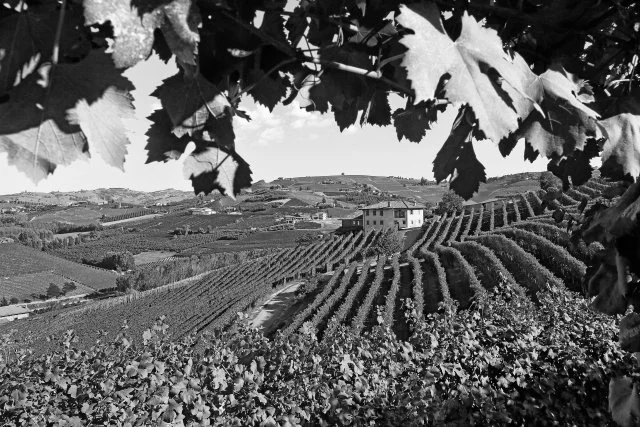
Nestled in the heart of the Piedmont region, Cascina Morassino is a small, family-owned winery with deep roots in the revered Barbaresco and Neive areas. With 4.5 hectares of meticulously cultivated vineyards, this boutique estate embodies the timeless allure of Italian winemaking. The vineyards’ prime locations in the Ovello and Cottà subzones, combined with their unique soil composition and microclimates, create the ideal foundation for producing elegant, terroir-driven wines.
Founded in 1984 by Mauro Bianco, Cascina Morassino continues a legacy of winemaking that stretches back generations. Today, Mauro’s son, Roberto Bianco, carries the torch, skillfully blending tradition with modern techniques to create exceptional wines that honor the land and its history.
At a glance
Region: Piemonte (Barbaresco & Neive)
Winemaker: Roberto Bianco
Known For: Crafting small-production Barbaresco from the prestigious Ovello cru
Wine Style: Elegant, age-worthy Nebbiolo with purity, structure, and remarkable finesse
Philosophy: The vineyard comes first -every wine should express the season, the land, and the grower’s work without compromise
Production: Family-owned estate producing approximately 10,000 bottles annually from 4.5 hectares of vineyards
Heritage: Fifth-generation winemaker from one of Barbaresco's historic winegrowing families
Imported by: Porcalorca
For more than five generations, the Bianco family has been part of the story of Barbaresco. Today, Roberto Bianco continues that legacy at Cascina Morassino, farming some of the region’s most sought-after vineyards, including the renowned Ovello cru. Working largely on his own throughout the year, he creates wines that reflect the elegance, authenticity, and timeless character of Nebbiolo.
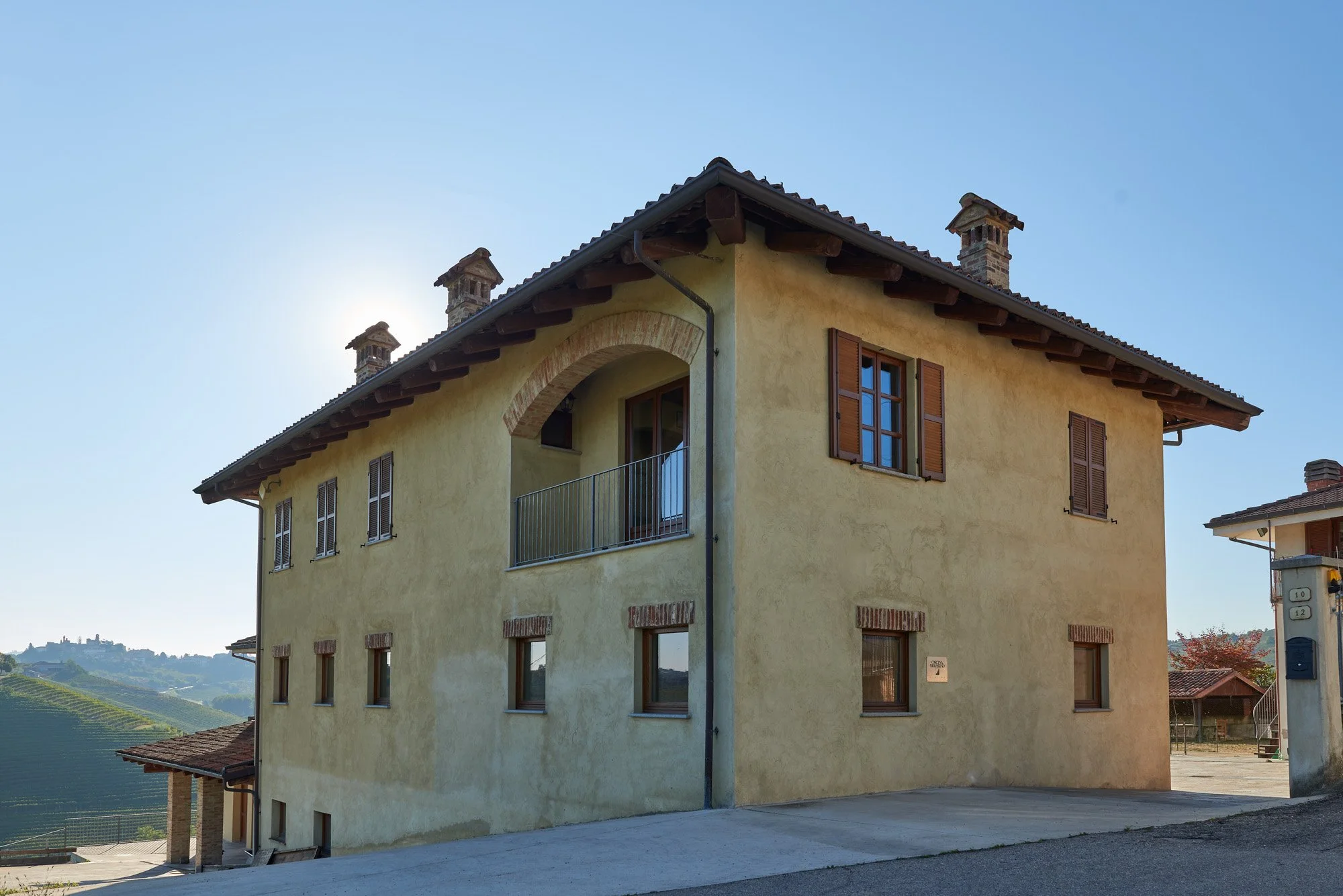
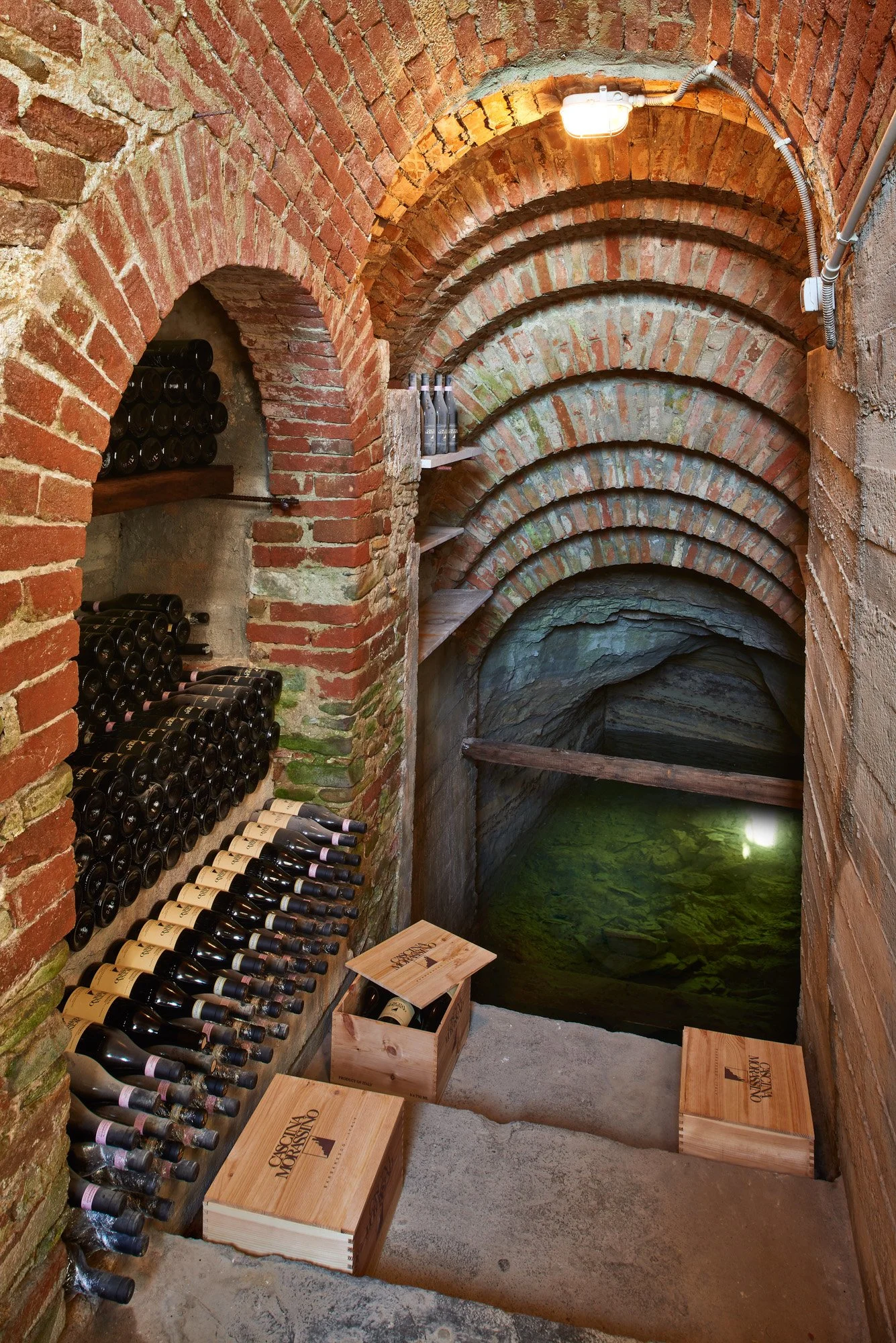
The story of Cascina Morassino weaves together the histories of three prominent Barbaresco winemaking families: the Biancos, Roccas, and De Forvilles. Tracing its origins back to the early 19th century, the Bianco family began making wine in 1870, spearheaded by Giovanni Bianco. Generations later, the union of Alfredo Bianco and Giuseppina Rocca in the mid-20th century solidified the family’s standing in Barbaresco’s winemaking community.
A journey through time
In 1961, the Bianco family acquired Cascina Morassino from the Pelissero family, marking a new chapter for the winery. By 1984, Mauro Bianco, a fourth-generation winemaker, founded the estate under its current name with his son, Roberto Bianco, who now leads the winemaking efforts.
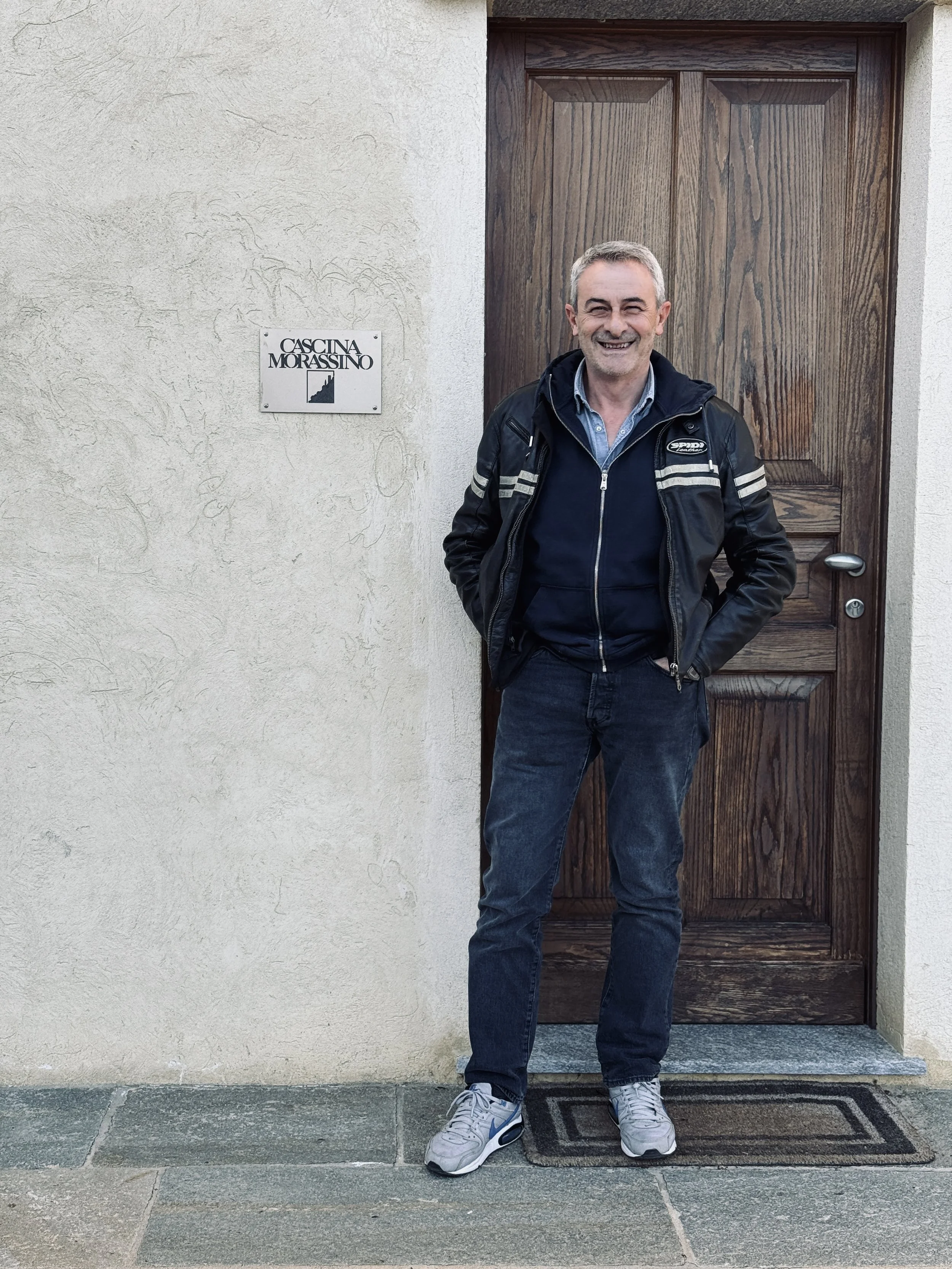
Roberto Bianco, the current steward of Cascina Morassino, represents the culmination of generations of dedication and skill. Growing up immersed in the rhythms of vineyard life, Roberto’s passion for winemaking was kindled by his father Mauro’s guidance. His formal education at the prestigious Alba school of oenology equipped him with the tools to marry tradition with innovation.
For Roberto, winemaking is more than a craft; it is a way to honor his family’s history and express the unique terroir of Barbaresco. He works alongside a dedicated team to create wines that reflect the purity and character of the region, always with sustainability and authenticity at the forefront.
The Winemaker: Roberto Bianco
The unique terroir of Cascina Morassino
Situated at an elevation of 270 meters, Cascina Morassino’s vineyards benefit from exceptional exposure in the Ovello (southeast-facing) and Cottà (west-facing) subzones. The limestone marl and clay soils lend Nebbiolo its signature elegance, structure, and aromatic complexity.
Roberto’s deep understanding of seasonal rhythms enables him to adapt to each vintage, ensuring that every bottle tells the story of its unique time and place.
Resilience through challenges
Like many winemakers, Roberto has faced challenges, from unpredictable weather patterns to maintaining the winery’s artisanal identity in a global market. His resilience has earned Cascina Morassino accolades, including a 90-point rating from Decanter for the 2018 Barbaresco.
Looking ahead: Tradition meets innovation
Roberto envisions a bright future for Cascina Morassino, one that balances heritage with forward-thinking practices. Plans include introducing limited-edition wines, expanding sustainable initiatives, and continuing to produce premium small-batch wines that reflect the soul of Barbaresco.
Marco’s personal notes
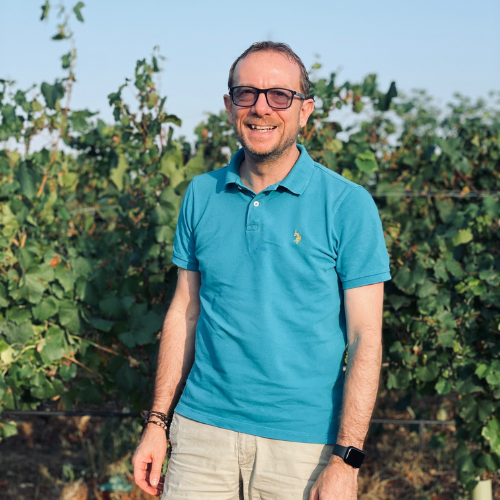
I must admit it: as an Italian born and raised between the hills and the sea of Emilia Romagna, Piemonte has always been a fascinating enigma to me. A land distant not only in geography but wrapped in a veil of reserve and mystery.
Nestled between towering mountains and a sea concealed by the Ligurian Alps, Piemonte reveals itself as an authentic, agricultural region. Cold and shrouded in mist, it carries a discreet, almost shy charm that enchants those with the patience to uncover its secrets.
The hills of the Langhe, a UNESCO World Heritage Site, are a patchwork of vineyards and hazelnut trees. A breathtaking landscape where the eyes wander and the soul finds solace. It is here, among these slopes, that some of the most elegant and noble expressions of Italian wine are born. A cradle of excellence where Nebbiolo reigns with both austerity and grace.
With the Porcalorca project, we couldn’t resist drawing closer to this land. It was inevitable: to know it, understand it, and immerse ourselves in its culture and traditions.
And then there’s "Roberto." We discovered that he embodies the essence of the philosophy that guides us. A proud, reserved, and pragmatic man, living in harmony with his land. When we arrived at his estate, he welcomed us with grace and curiosity. He opened the doors of his tasting room - a space steeped in history and tradition -and there, between ruby-red glasses of wine and stories exchanged in a rhythm of deep listening and thoughtful words, we began to know one another.
Roberto told us about his vineyards as one would speak of their children. Each row has its own story; every cluster reflects the season, the sun, the soil, and the hand of the grower. With care and dedication, year after year, he interprets the fruit of his labor, transforming it into what we can only describe as "precious gems." His vineyard lies almost entirely within the Ovello cru, but the additional geographic mention is reserved for only a portion of the production. This is a deliberate choice by Roberto: “because only this way I can be sure to deliver the quality I envision in my wine.”
"You can’t change the outcome of a season in the cellar," he told us. "The grape gives you what it has gathered from the season, the soil, and the hands that nurtured it." And so, Roberto’s wines are authentic, sincere, never the same, but always true. Like him, like his land.
Bringing his wine to Denmark felt natural - as a living testament to what Piemonte represents: a world of passion, dedication, and hidden beauty. Roberto and his wines deserve to be discovered, cherished, and remembered. And we couldn’t do otherwise but tell this story, so it could reach wine lovers everywhere. Because this, truly, is the essence of what we call the “Porcalorca moments.”
Discover the Wines
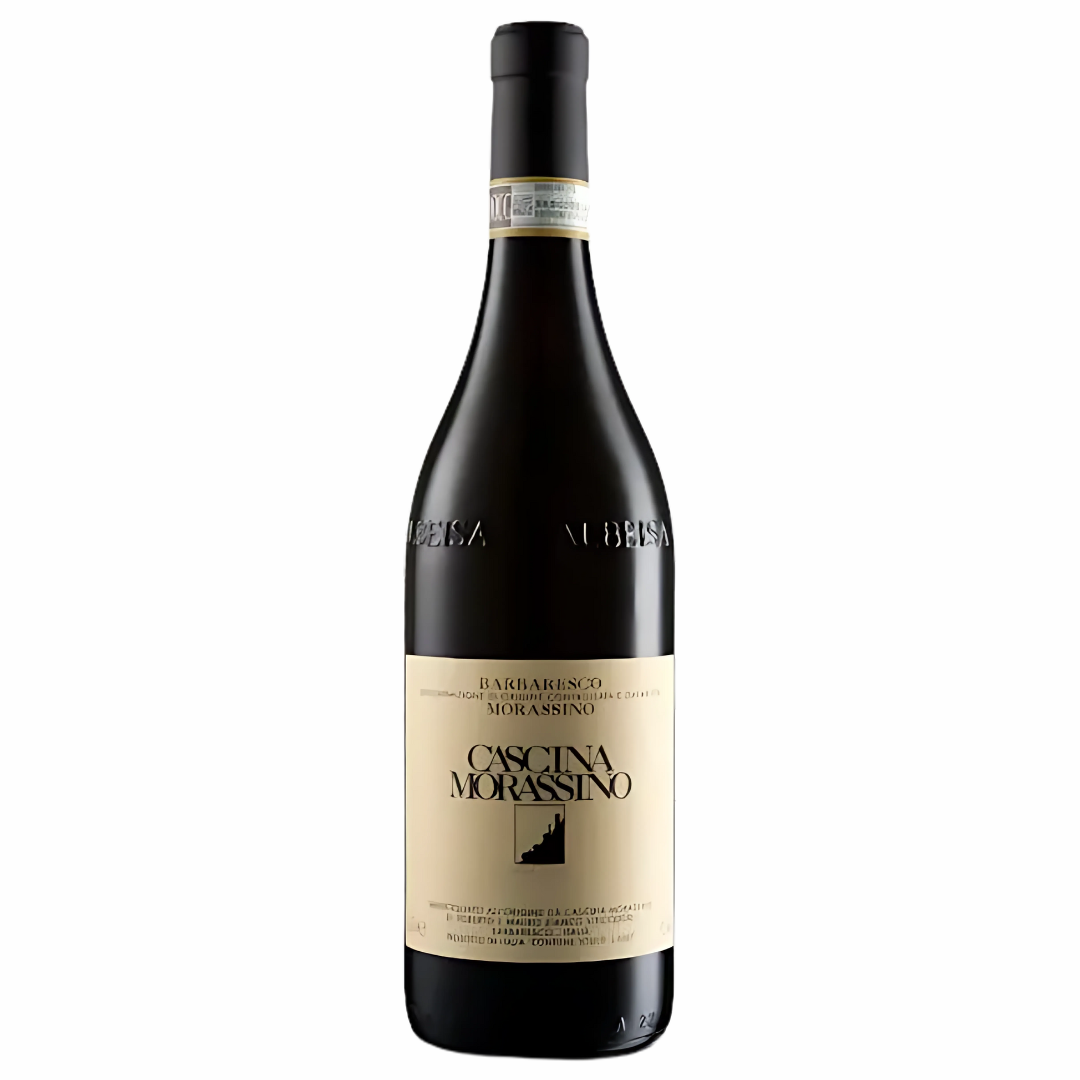
BARBARESCO DOCG - PIEMONTE
Imagine walking through the sun-drenched vineyards of Barbaresco, where the fresh hillside air mingles with the aroma of ripe Nebbiolo grapes. Each sip of Barbaresco is a journey into Piemonte’s refined soul, embodying the land’s beauty, its people’s dedication, and a history shaped by tradition.
In 2021, Roberto produced just 6600 bottles of this exceptional wine, meticulously selecting only the finest grapes to craft a Barbaresco that reflects elegance, balance, and the depth that comes with time.
Grape variety
100% Nebbiolo.
Vineyards of origin
For this wine the grapes are selected a south-east facing vineyards in the village of Barbaresco.
Soil: Clay-limestone soils provide the perfect environment for this grape variety to fully express its potential.
Training system: Espalier with Guyot pruning, 5/6 buds per plant.
Season in the field: The 2021 vintage experienced a rainy winter, ensuring an excellent water reserve. After a cool start to spring, the weather stabilized with sunny days and cool nights, ideal for the maturation of Nebbiolo. The harvest, which began on October 6th, yielded healthy, well-balanced grapes, with smaller berries and a rich polyphenolic content, promising structured and long-lived wines. An exceptional vintage, set to produce complex and refined wines.
Average yield: 60 q/ha.
Vinification
Both fermentation and maturation take place in stainless steel.
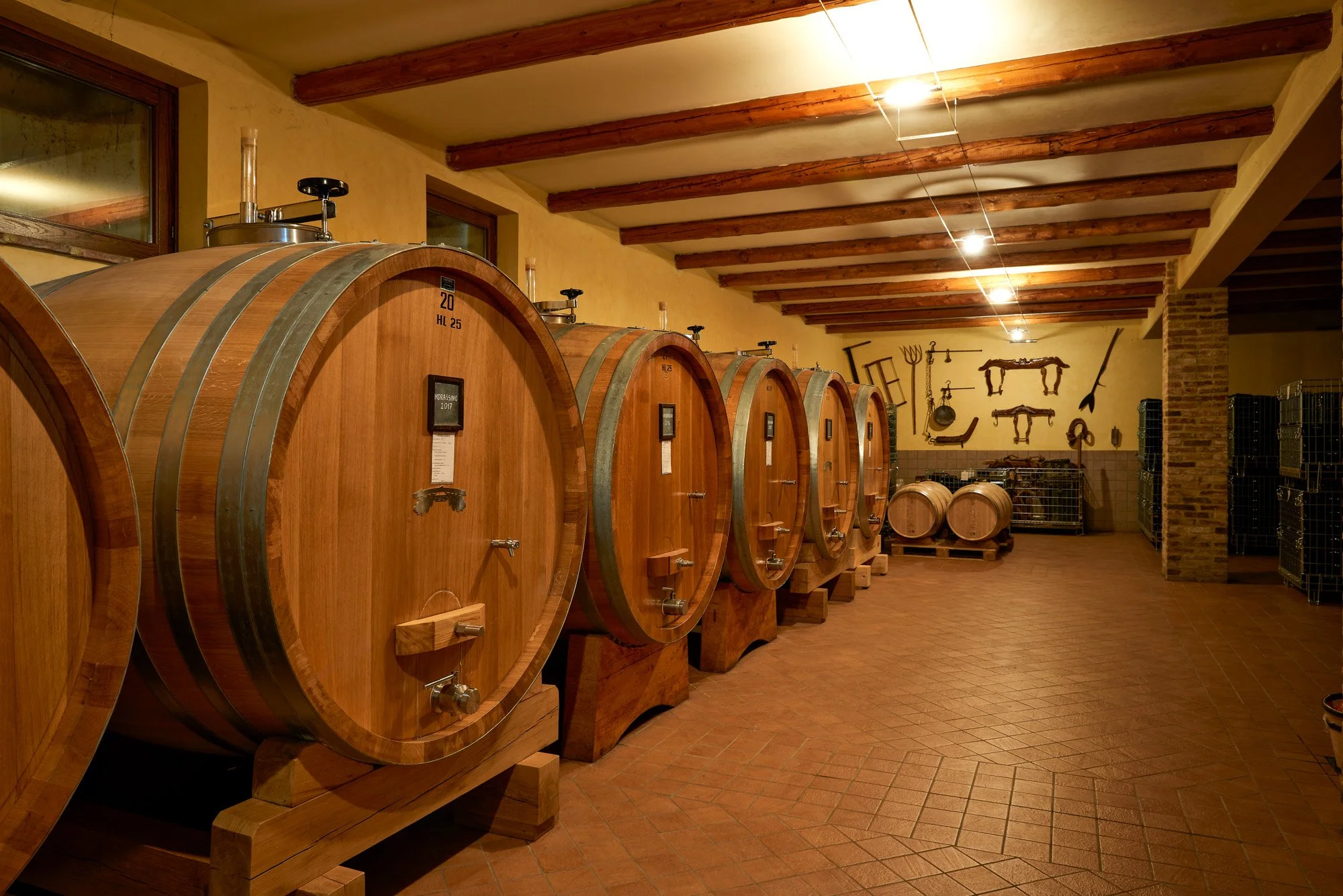
Aging: 12 months in 25 hl oak casks by a further refinement of 14 months in bottle.
Tasting notes
The use of large oak casks provides for the traditional Barbaresco Morassino mark with its ruby red color and orange hues and wide round aromas. In the mouth is austere, but the tannins released by the grapes from older plants makes it mellow, softer and long, already fulfilling a few months after is bottled.
Pairings
Best matched with meat and game dishes and matured cheese.
Alcohol content and serving temperature
Alcohol content: 14,5 % Vol.
Serving Temperature: 16 - 18 °C.
End
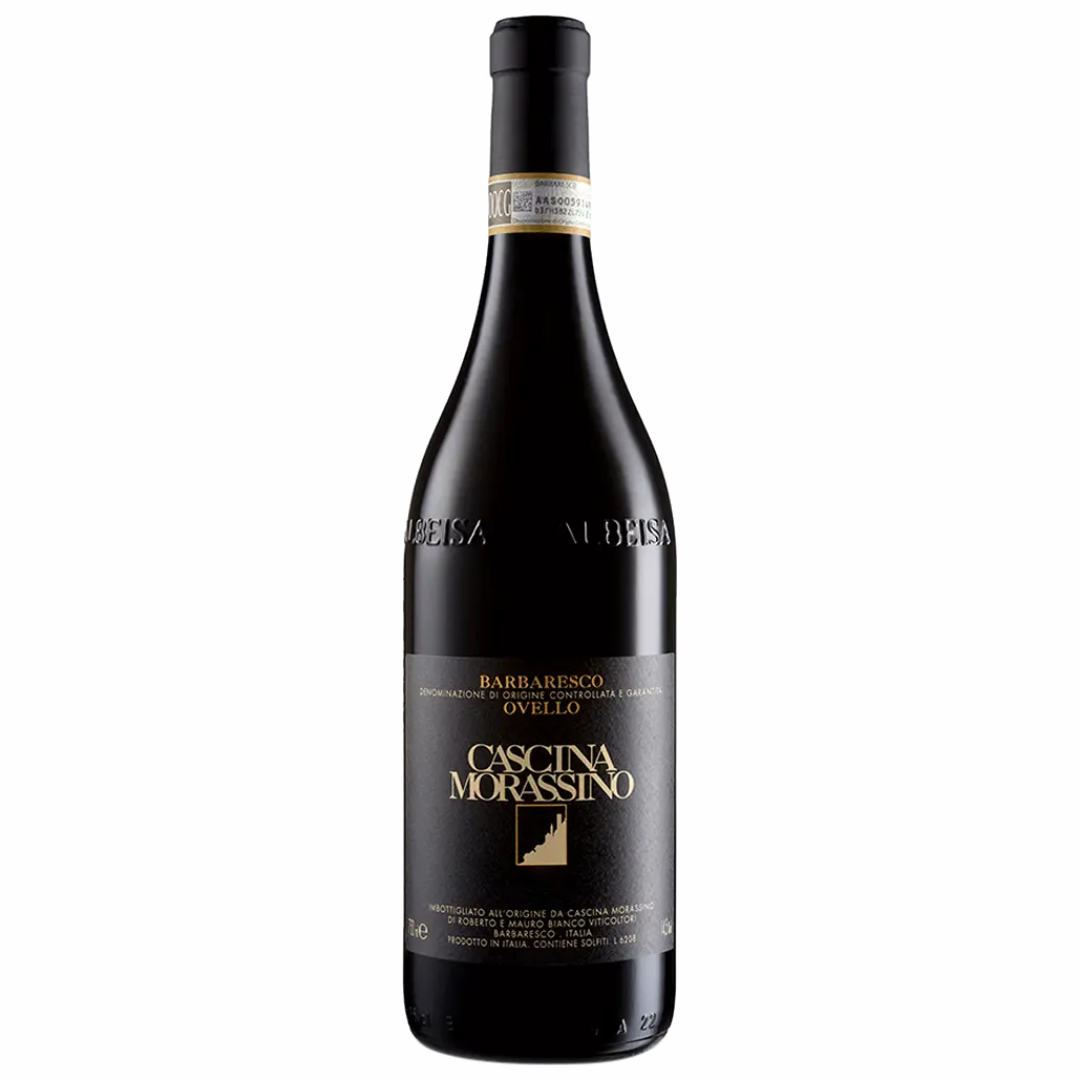
BARBARESCO DOCG OVELLO - PIEMONTE
Each sip of Barbaresco reveals the refined soul of Piemonte—its land, its people, and its history—encapsulated in a wine of elegance, balance, and profound depth. Roberto meticulously selects only the finest grapes, ensuring that every bottle embodies the essence of this extraordinary region.
While Roberto could label all his Barbaresco wines with the prestigious Ovello MGA (Menzione Geografica Aggiuntiva), he reserves this distinction for just 4,000 bottles produced in 2021. These wines are crafted exclusively from hand-selected grapes and fermented using only the purest must, delivering an unparalleled expression of Barbaresco's heritage and character.
Grape variety
100% Nebbiolo.
Vineyards of origin
The grapes used for the Barbaresco Ovello are harvested from the best exposed vineyard a south-east facing vineyards in the village of Barbaresco with the optimal soil composition. A further selection is then made within that vineyard by locating the portions with the ripest and healthiest grapes.
Soil: Clay-limestone soils provide the perfect environment for this grape variety to fully express its potential.
Training system: espalier with Guyot pruning, 5/6 buds per plant.
Season in the field: The 2021 vintage began with a mild winter, rich in precipitation, including snow, ensuring an excellent water reserve in the soil. Vegetative growth was regular, with minor, localized frosts in mid-April that reduced the yield but did not affect the quality of the harvest. A long period of fine weather followed through the spring and summer, with temperatures in line with seasonal averages and some thunderstorms between June and July. Excellent temperature fluctuations during the harvest period allowed the grapes to reach optimal maturity, achieving a good balance of sugar, freshness, and polyphenols. The harvest began on September 14th and concluded on October 2nd.
Average yield: 60 q/ha.
Vinification
Both fermentation and maturation take place in stainless steel.
Aging: It ages 12 months in a new large oak cask, not older that three years and further refinement of 14 months in bottle.
Tasting notes
The use of large oak casks provides for the traditional Barbaresco Morassino mark with its ruby red color and orange hues and wide round aromas. In the mouth is austere, but the tannins released by the grapes from older plants makes it mellow, softer and long, already fulfilling a few months after is bottled. It is structured, spicy, and complex.
Pairings
Best paired with meat and game dishes, as well as matured cheeses. Due to its balance and pleasant complexity, it also makes for an excellent wine for meditation.
Alcohol content and serving temperature
Alcohol content: 14,5 % Vol.
Serving Temperature: 16 - 18 °C.
End
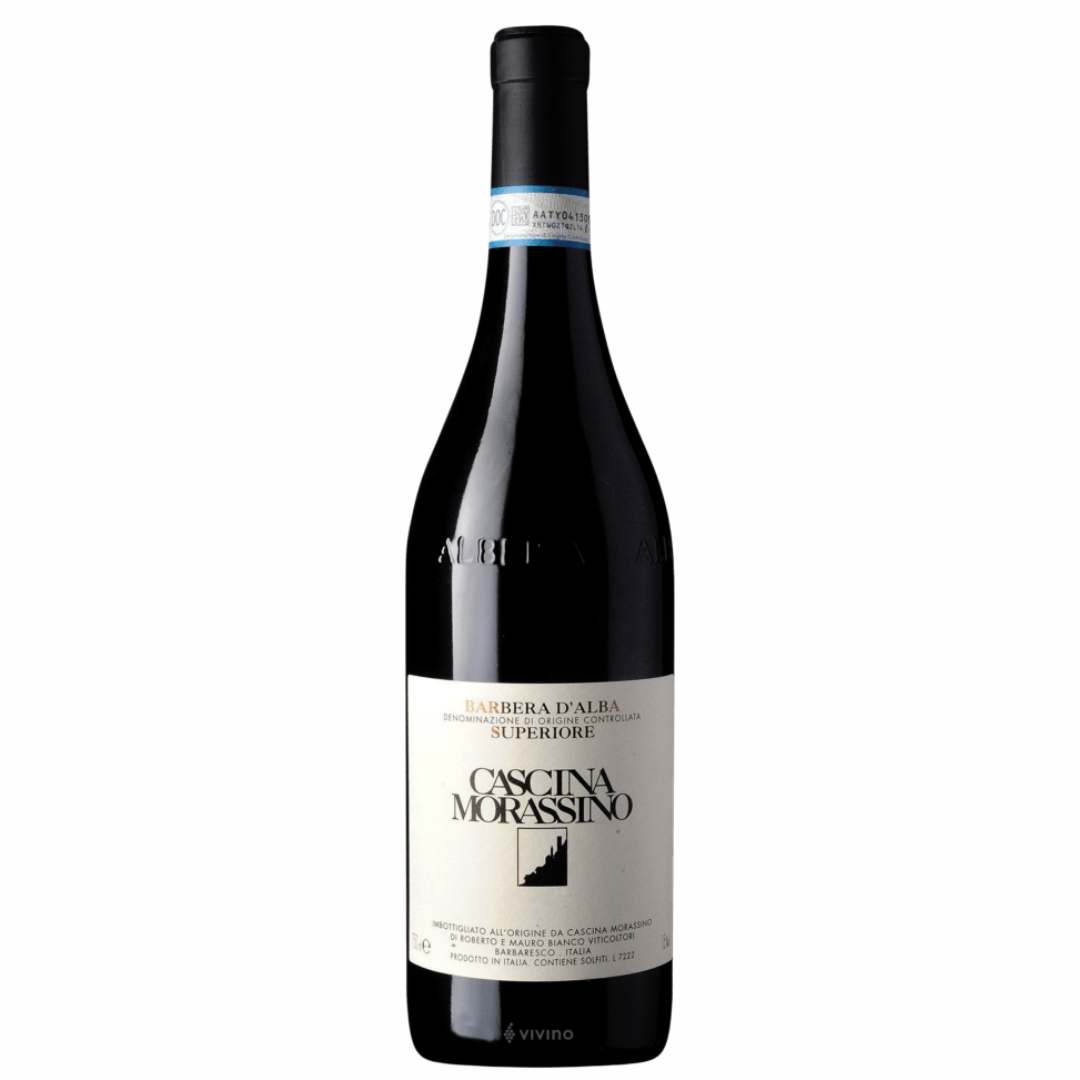
BARBERA D’ALBA SUPERIORE DOC - PIEMONTE
Imagine walking through the vineyards of the Langhe hills, where the wind caresses the leaves and the sun warms the earth. Barbera d'Alba Superiore captures the essence of this land: strength, passion, and the history of a winemaking tradition passed down through generations. Each sip is a journey to the heart of Piemonte, an encounter with tradition that Roberto brings back to life with this wine.
Grape variety
100% Barbera.
Vineyards of origin
For this wine the grapes are selected a west facing vineyard of 0,3 ha in the Village of Neive, in the heart of Langhe.
Soil: Clay-limestone soils provide the perfect environment for this grape variety to fully express its potential.
Training system: espalier with Guyot pruning, 5/6 buds per plant.
Season in the field: The 2021 vintage began with a mild winter, rich in precipitation, including snow, ensuring an excellent water reserve in the soil. Vegetative growth was regular, with minor, localized frosts in mid-April that reduced the yield but did not affect the quality of the harvest. A long period of fine weather followed through the spring and summer, with temperatures in line with seasonal averages and some thunderstorms between June and July. Excellent temperature fluctuations during the harvest period allowed the grapes to reach optimal maturity, achieving a good balance of sugar, freshness, and polyphenols. The harvest began on 14 September and concluded 2 October.
Average yield: 60 q/ha.
Vinification
Both fermentation and maturation take place in stainless steel.
Aging: 12 months in French oak barriques followed by a further refinement of 6 months in bottle.
Tasting notes
Has a deep ruby red color, with ripe fruits and vanilla on the nose. Full bodied, lightly tannic and round on the palate with a good acidity.
Pairings
At its best matched with cured meat, stews and full fat and aged cheese.
Alcohol content and serving temperature
Alcohol content: 15,5 % Vol.
Serving Temperature: 16 - 18 °C.
End
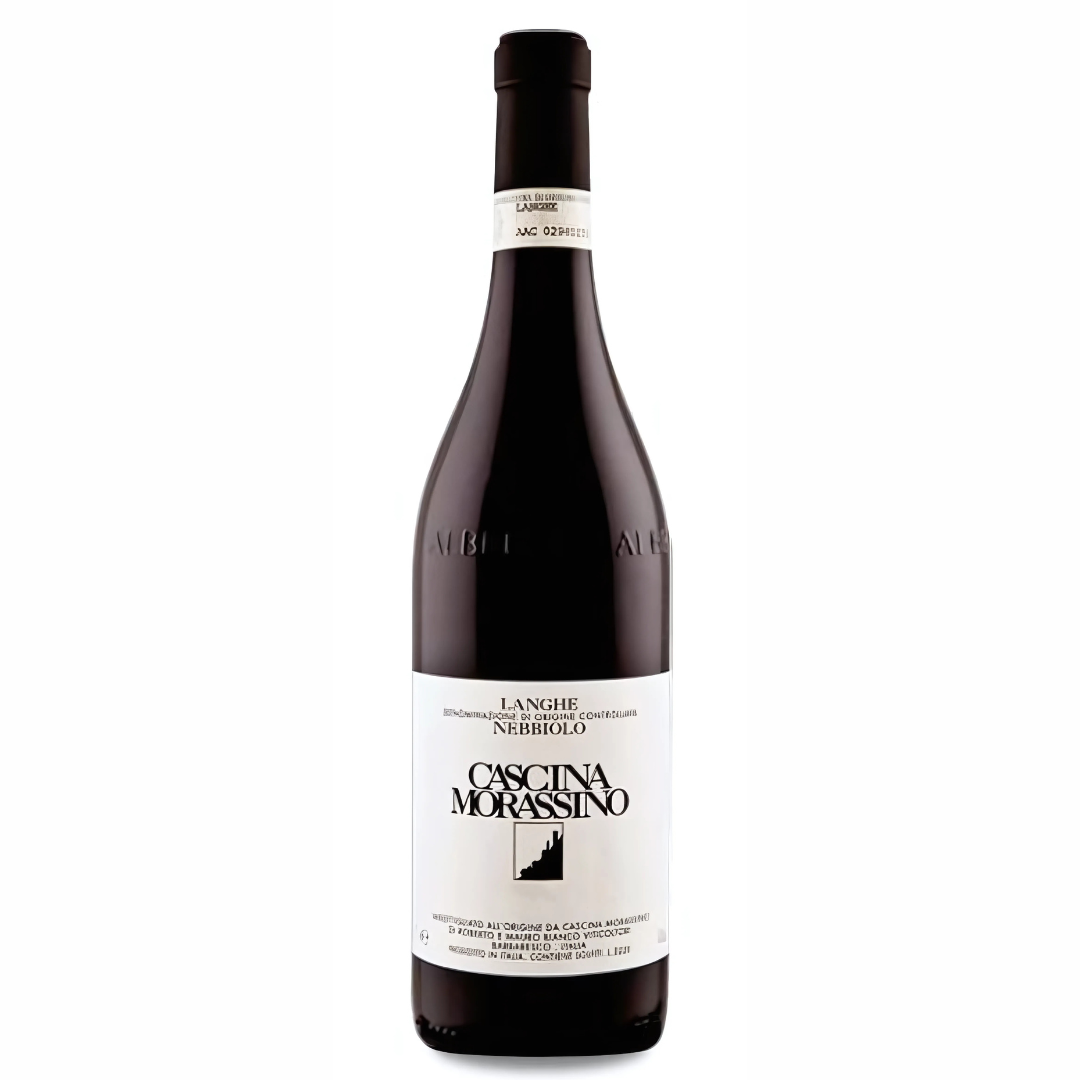
LANGHE NEBBIOLO DOC - PIEMONTE
Nebbiolo, named after “nebbia” (fog), captures the essence of Langhe’s misty autumns and the delicate bloom on its berries. This wine comes from a 0.9-hectare west-facing vineyard in Neive, planted in 1970. With just 5,300 bottles produced, it honors the region’s farming traditions and showcases the timeless charm of Langhe.
Grape variety
100% Nebbiolo.
Vineyards of origin
For this wine the grapes are selected from a west facing vineyard of 0,9 ha planted in 1970 in the village of Neive, in the heart of Langhe.
Soil: Clay-limestone soils provide the perfect environment for this grape variety to fully express its potential
Training system: espalier with Guyot pruning, 5/6 buds per plant.
Season in the field: It was the driest and hottest year in Piedmont since 1950, but despite the challenging climatic conditions, the Langhe vineyards demonstrated an extraordinary ability to adapt. The season was marked by early budbreak and flowering, with severe drought reducing yield per hectare while limiting fungal diseases. Harvest, which began on September 22nd, resulted in smaller grapes and a favorable skin-to-pulp ratio, improving tannin and color concentration. The 2022 wines will be of excellent drinkability, balance, and good aging potential.
Average yield: 60 q/ha.
Vinification
Both fermentation and maturation take place in stainless steel.
Aging: 6-8 months in stainless steel followed by anoter 4-5 months in bottle.
Tasting notes
Ruby red color with garnet red reflections and a fruity nose with hints of violet. The taste is full, pleasantly tannic and very persistent.
Pairings
It pairs well with first courses such as risottos with game, roasted meats, and grilled red meats, as well as cheese.
Alcohol content and serving temperature
Alcohol content: 14 % Vol.
Serving Temperature: 16 - 18 °C.
End