Lambrusco Grasparossa
The Bold Soul of Emilia-Romagna
Dark, vibrant and gastronomic—Lambrusco Grasparossa is the grape that's redefining everything people thought they knew about Lambrusco.
Forget Everything You Think You Know About Lambrusco
For decades, Lambrusco suffered from a poor reputation.
During the 1970s and 80s, cheap, overly sweet versions flooded international markets, leaving many people with the impression that Lambrusco was little more than a simple sparkling red wine.
The reality is very different.
Lambrusco is not a single grape but a family of indigenous grape varieties, each producing wines with its own personality, structure and style. Among them, Lambrusco Grasparossa di Castelvetro is widely regarded as the most powerful and structured expression, celebrated for its depth, gentle tannins and remarkable ability to pair with food.
At Porcalorca, this is the Lambrusco we have chosen to represent—not because it is the most famous, but because we believe it shows just how extraordinary Lambrusco can be.
What is Lambrusco Grasparossa?
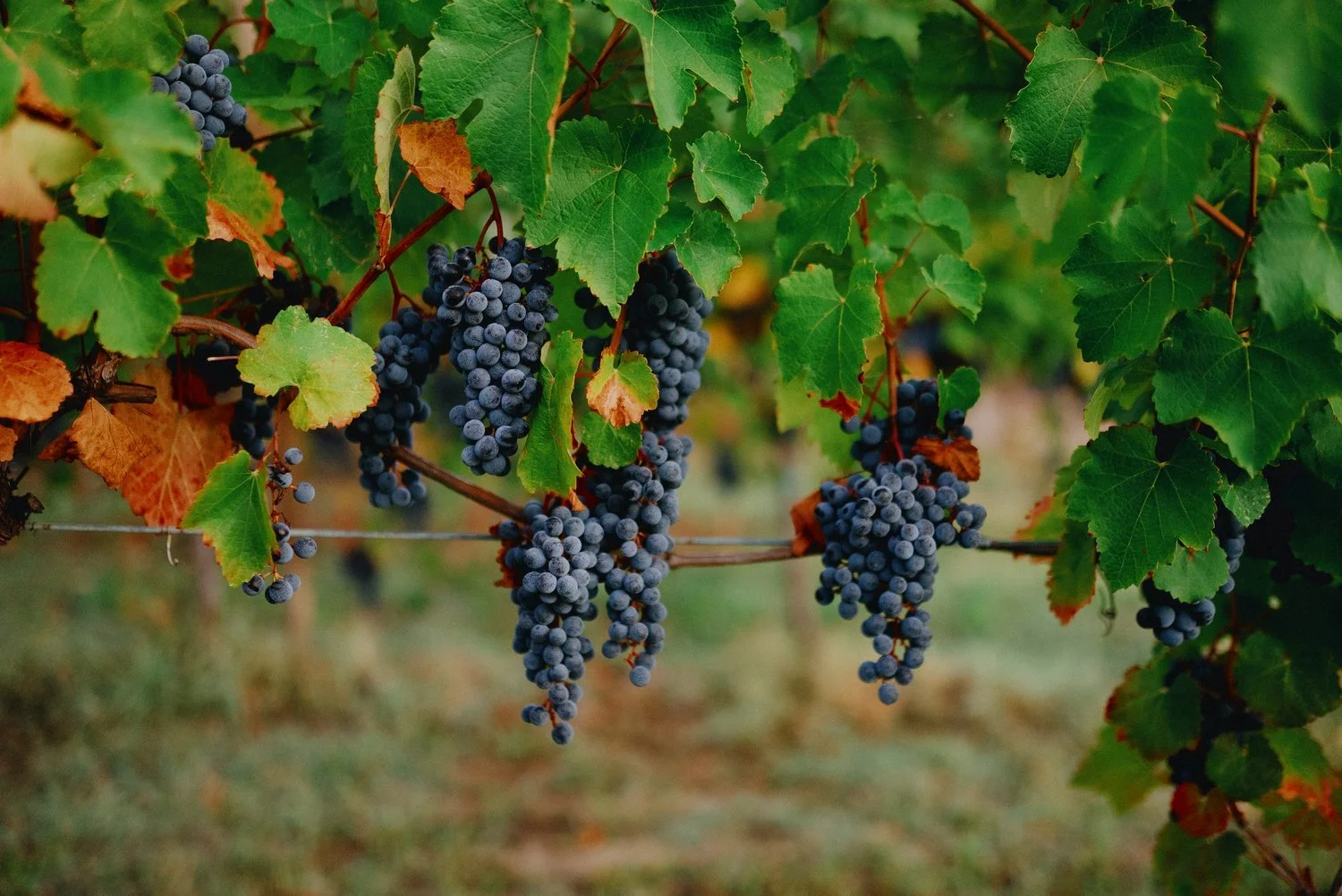
Lambrusco Grasparossa is an ancient red grape variety native to the hills around Castelvetro di Modena in Emilia-Romagna.
Its name comes from the appearance of the vine.
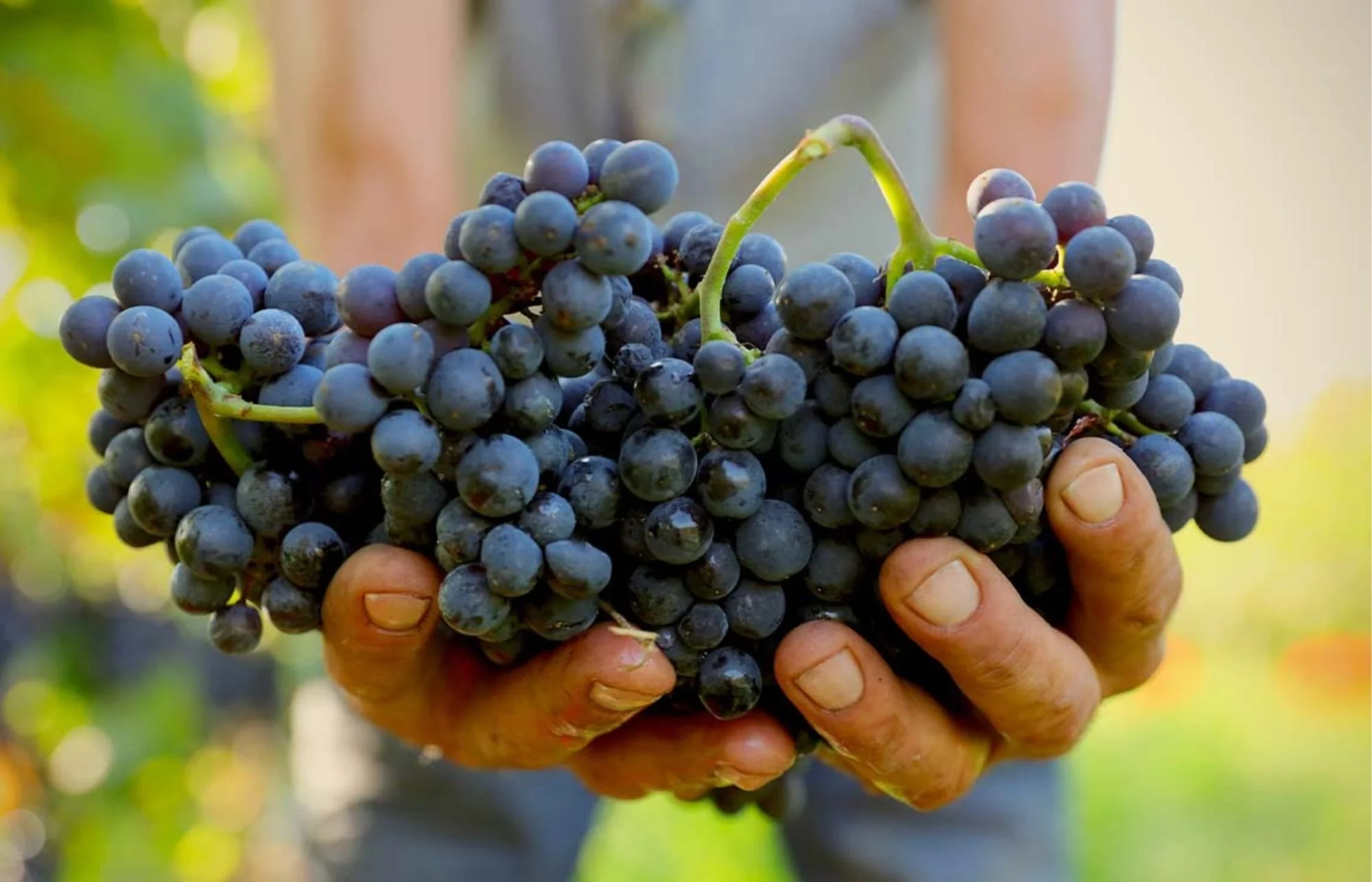
"Grasparossa" literally means "red stem", referring to the vine shoots that turn bright red as the grapes ripen.
Unlike many sparkling red wines, Grasparossa naturally combines:
deep colour
vibrant acidity
firm but soft tannins
fresh fruit
remarkable food friendliness
It produces wines with far more structure than most people expect from sparkling wine.
A Grape Unlike Any Other
Colour
Deep ruby to almost opaque purple.
Aromas
blackberry
black cherry
wild strawberry
violet
rose petals
black pepper
Mediterranean herbs
Lambrusco Grasparossa stands apart because it naturally combines characteristics rarely found together.
Palate
Expect:
lively bubbles
fresh acidity
noticeable tannins
juicy dark fruit
dry, savoury finish
Unlike many sparkling wines, Lambrusco Grasparossa has enough structure to accompany an entire meal.
Sweet or Dry?
One of the biggest misconceptions is that all Lambrusco is sweet.
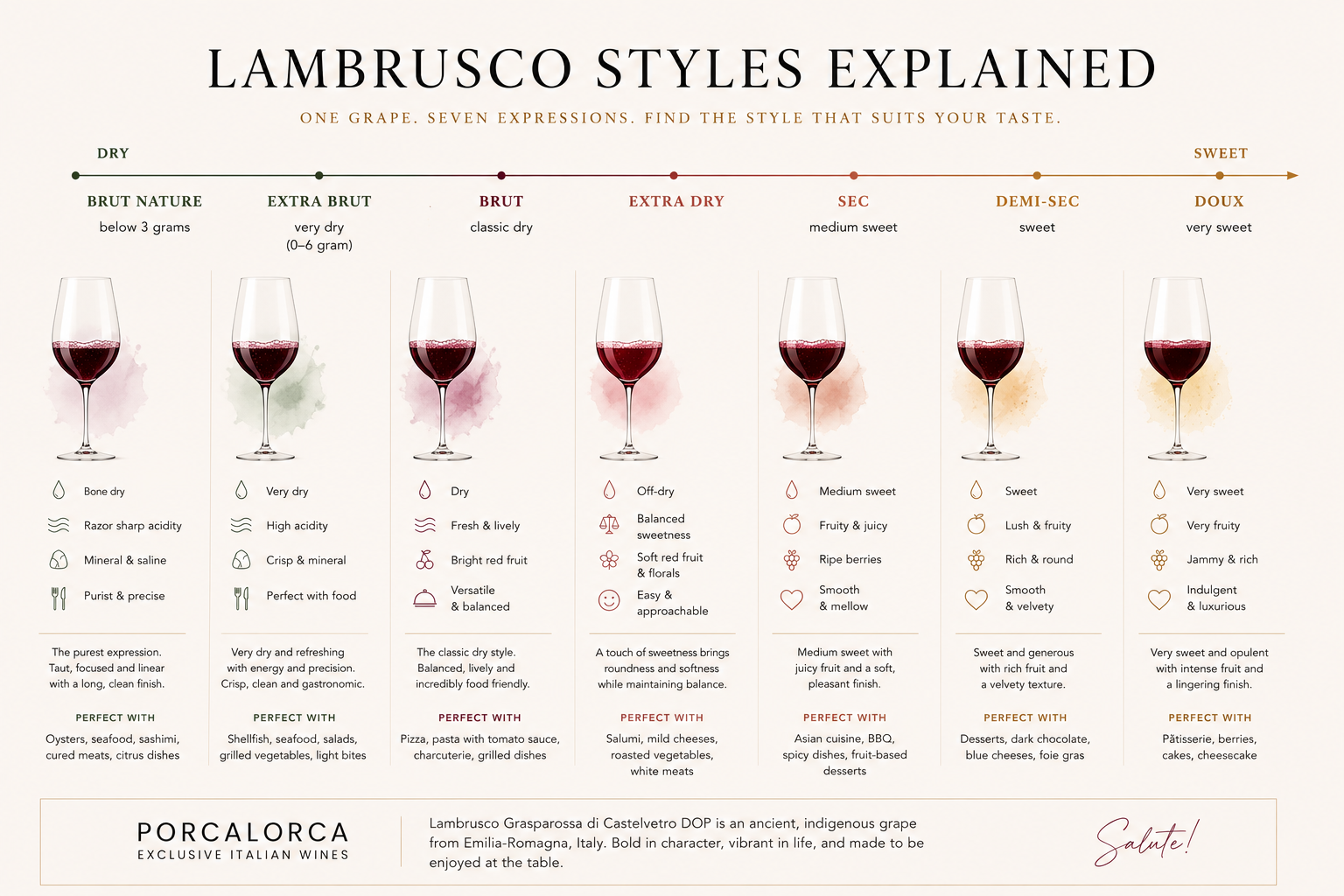
In reality, Lambrusco can be made in several styles.
At Porcalorca, our selection demonstrates the full spectrum - from bone-dry Pet Nat to elegant Brut and expressive Extra Dry styles.
A Grape with Ancient Roots
Lambrusco is one of Italy's oldest native grape families, with a history stretching back more than 2,000 years. Archaeological evidence suggests that the Etruscans cultivated Lambrusco long before the Romans, making it one of Italy's oldest wine traditions.
The name Lambrusco is believed to derive from the Latin word labrusca, meaning "wild vine." These wild vines once grew naturally along the edges of forests and cultivated fields before local growers began selecting and cultivating them over centuries.
Among the many Lambrusco varieties, Grasparossa takes its name from its distinctive red grape stems (graspo rosso in the local dialect), which turn a deep crimson as the grapes ripen each autumn.
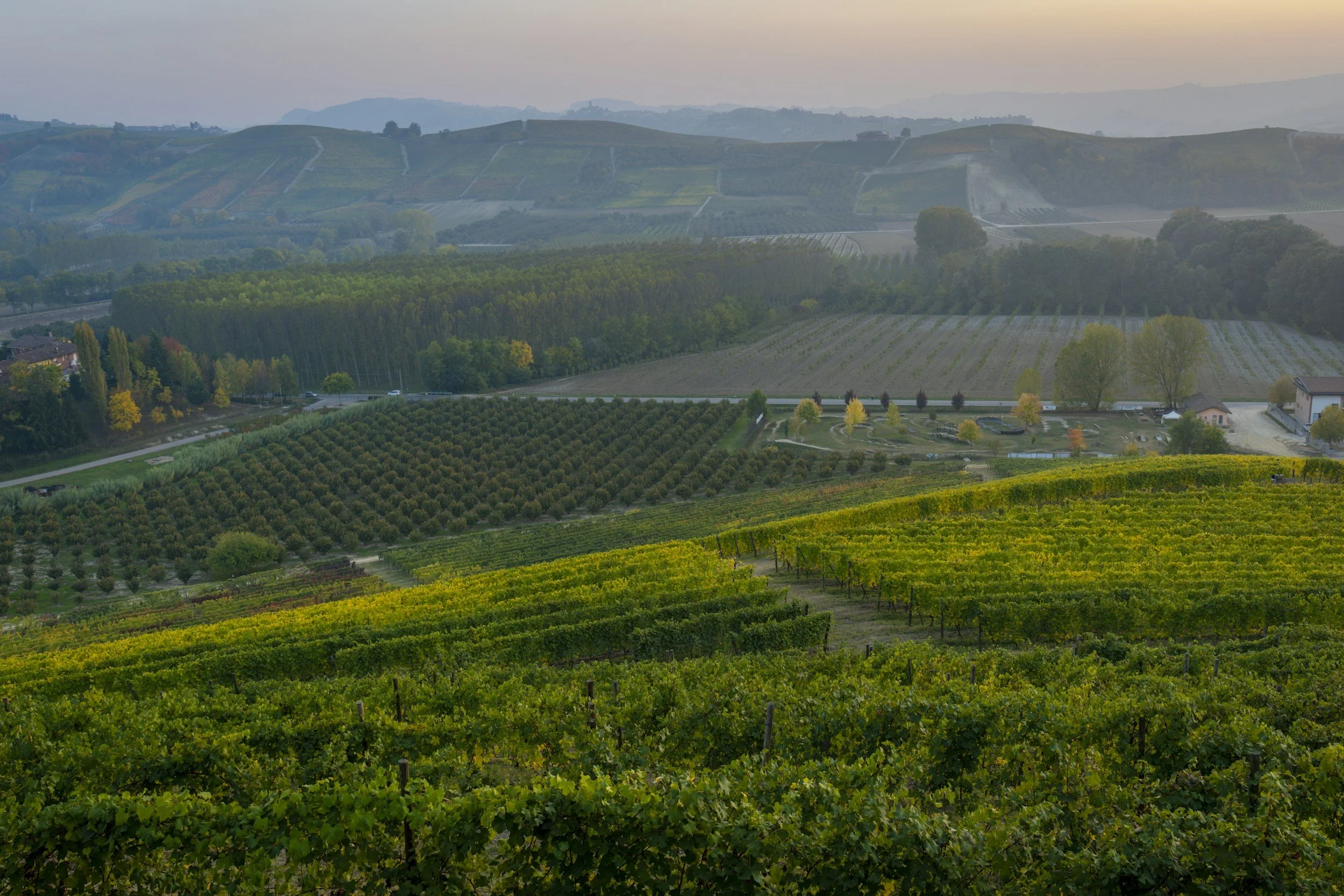
Today, Lambrusco Grasparossa is closely associated with the hills surrounding Castelvetro di Modena, where limestone soils, warm days and cool nights create the powerful, structured style for which the grape is celebrated.
DID YOU KNOW
The name Lambrusco comes from the Latin word labrusca - "wild vine."
Long before vineyards covered Emilia-Romagna, wild vines grew naturally along the edges of forests and fields. Over centuries, local growers selected and cultivated these vines, giving birth to the Lambrusco family we know today.
Why Porcalorca Chose Lambrusco Grasparossa
At Porcalorca, we don't believe great wine should be famous.
We believe it should be authentic.
Our partnership with La Piana Winery reflects this philosophy.
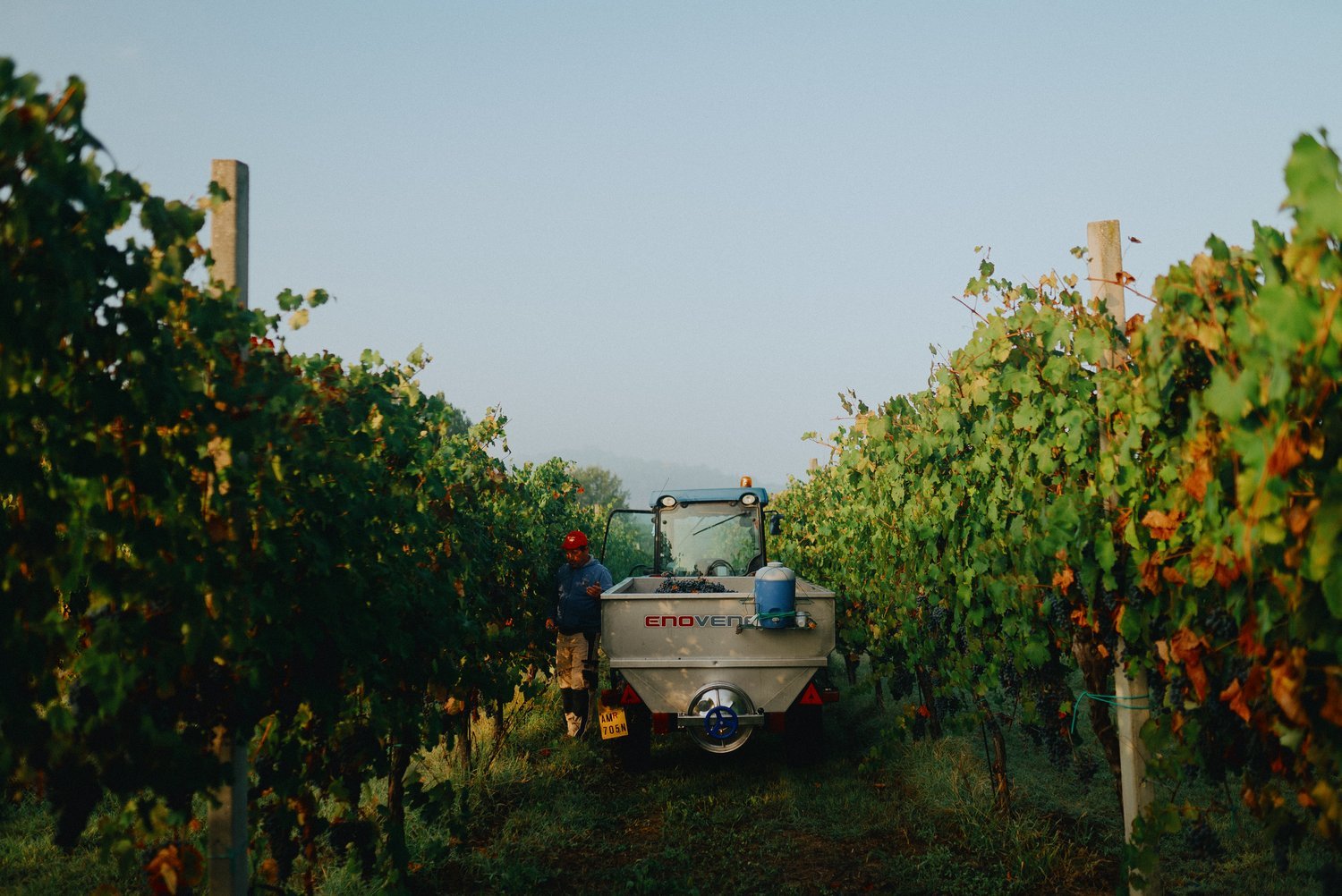
For more than 20 years, the Gianaroli family has cultivated organically farmed vineyards in the hills of Castelvetro, producing Lambrusco that respects tradition while showing the true potential of this remarkable grape.
Each bottle tells a different story, but together they prove one simple point:
Lambrusco was never the problem. Poor Lambrusco was.
Discover Lambrusco at Porcalorca
Whether you're discovering Lambrusco for the first time or rediscovering it after years away, Lambrusco Grasparossa offers a completely different experience from the wines that once defined its reputation.
From vibrant Pet Nat to elegant Traditional Method sparkling wines, our collection from La Piana showcases just how expressive, gastronomic, and sophisticated this remarkable grape can be. From the bone-dry Fondo Punto Zero to the elegant Intuizione, each bottle highlights a different facet of Lambrusco Grasparossa grown in the hills of Castelvetro.
Meet the Region & Winemaker
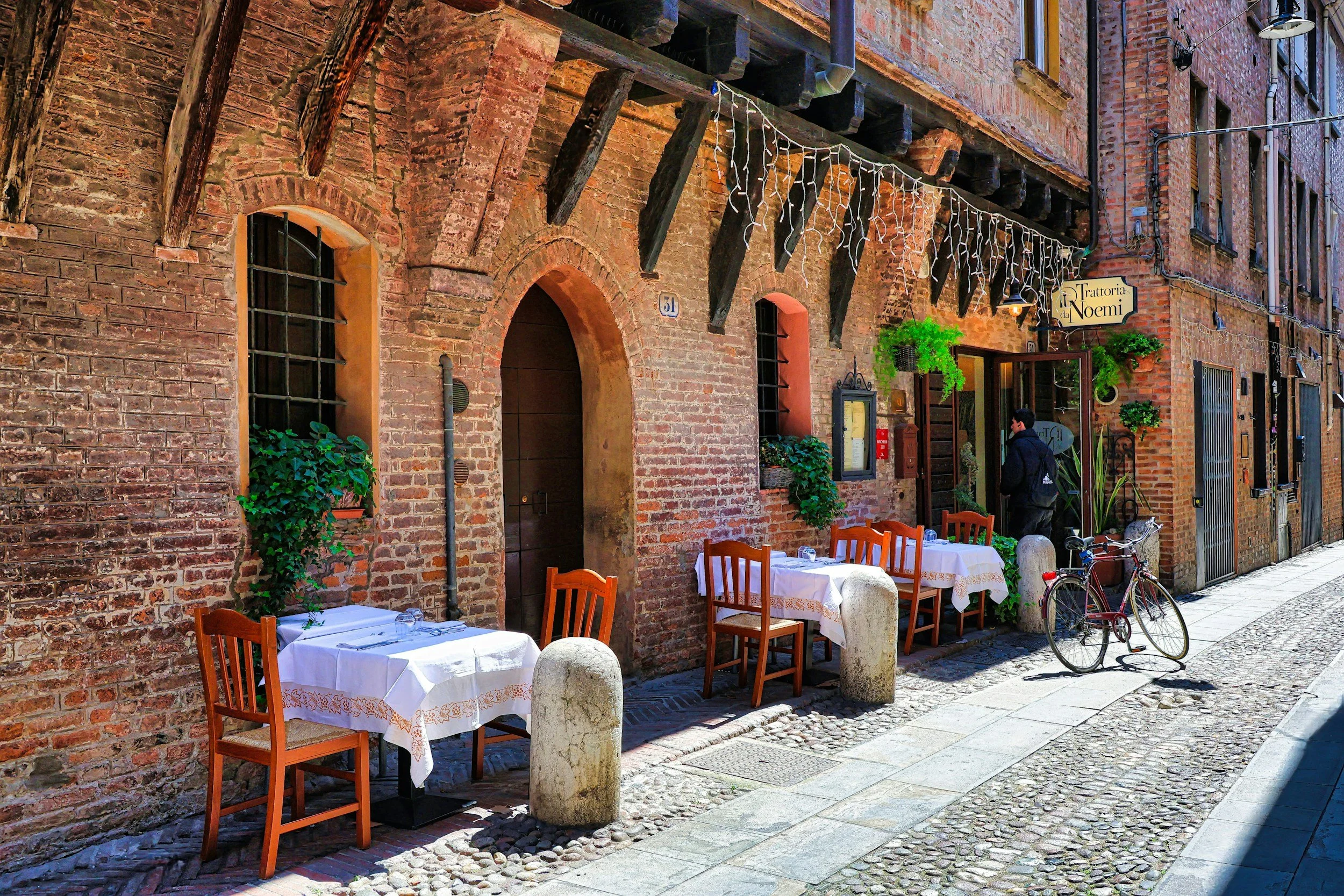
Emilia-Romagna
From the rolling hills of Castelvetro to the food traditions of Modena, Emilia-Romagna is the natural home of Lambrusco Grasparossa. Discover the landscapes, history and culture behind one of Italy's most distinctive wine regions.
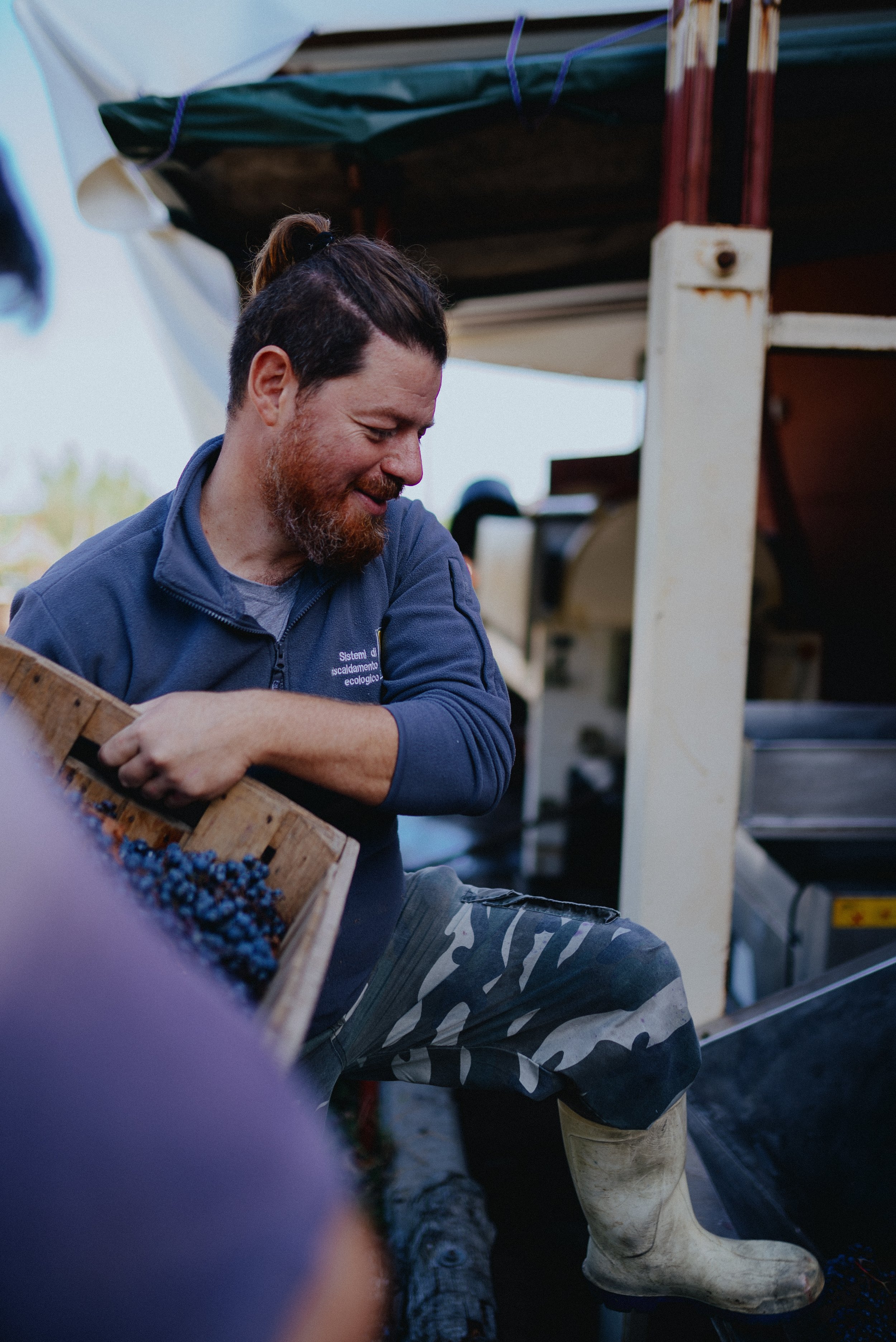
La Piana
For generations, the La Piana family has cultivated Lambrusco Grasparossa in the hills of Castelvetro. Their wines show why this grape deserves to be rediscovered.
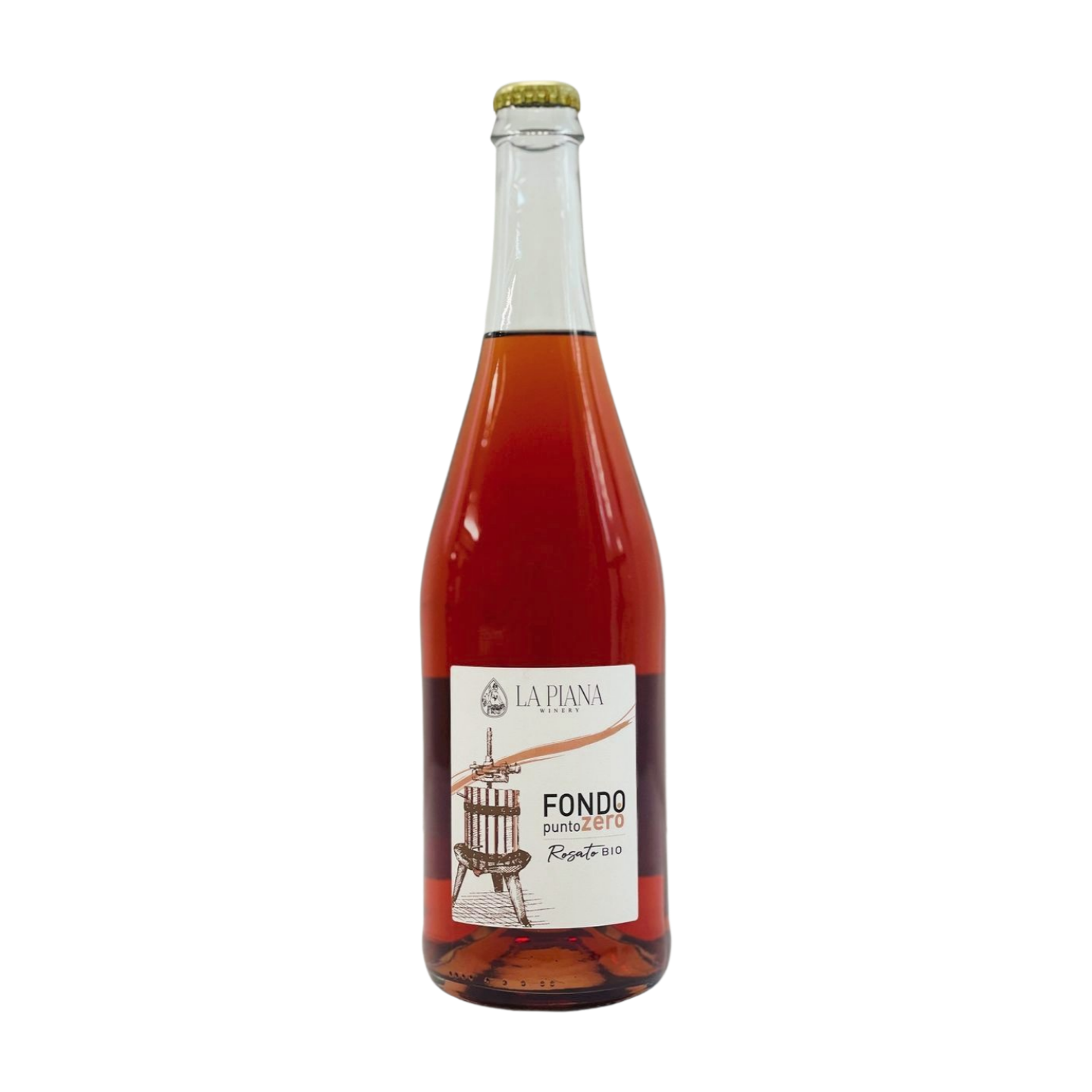
LAMBRUSCO GRASPAROSSA DI CASTELVETRO DOP - EMILIA ROMAGNA
PET-NAT SPARKLING ROSÉ NATURE BIO
Fondo Punto Zero line, the wine “made as they once were” without forgetting the best quality. The refermentation in the bottle makes these wines fun to discover and taste! It can be enjoyed either on the lees or after disgorgement.
Grape variety
10% Lambrusco Grasparossa di Castelvetro
Vineyards of origin
We select the ideal grapes for this wine from all the company's vineyards in the hills of Castelvetro, exposed to excellent and constant ventilation thatallows the perfect ripening of the bunches.
Soil: clayey, calcareous and rich in minerals.
Training system: espalier with Sylvoz pruning.
Average yield: 110 q/ha.
Vinification
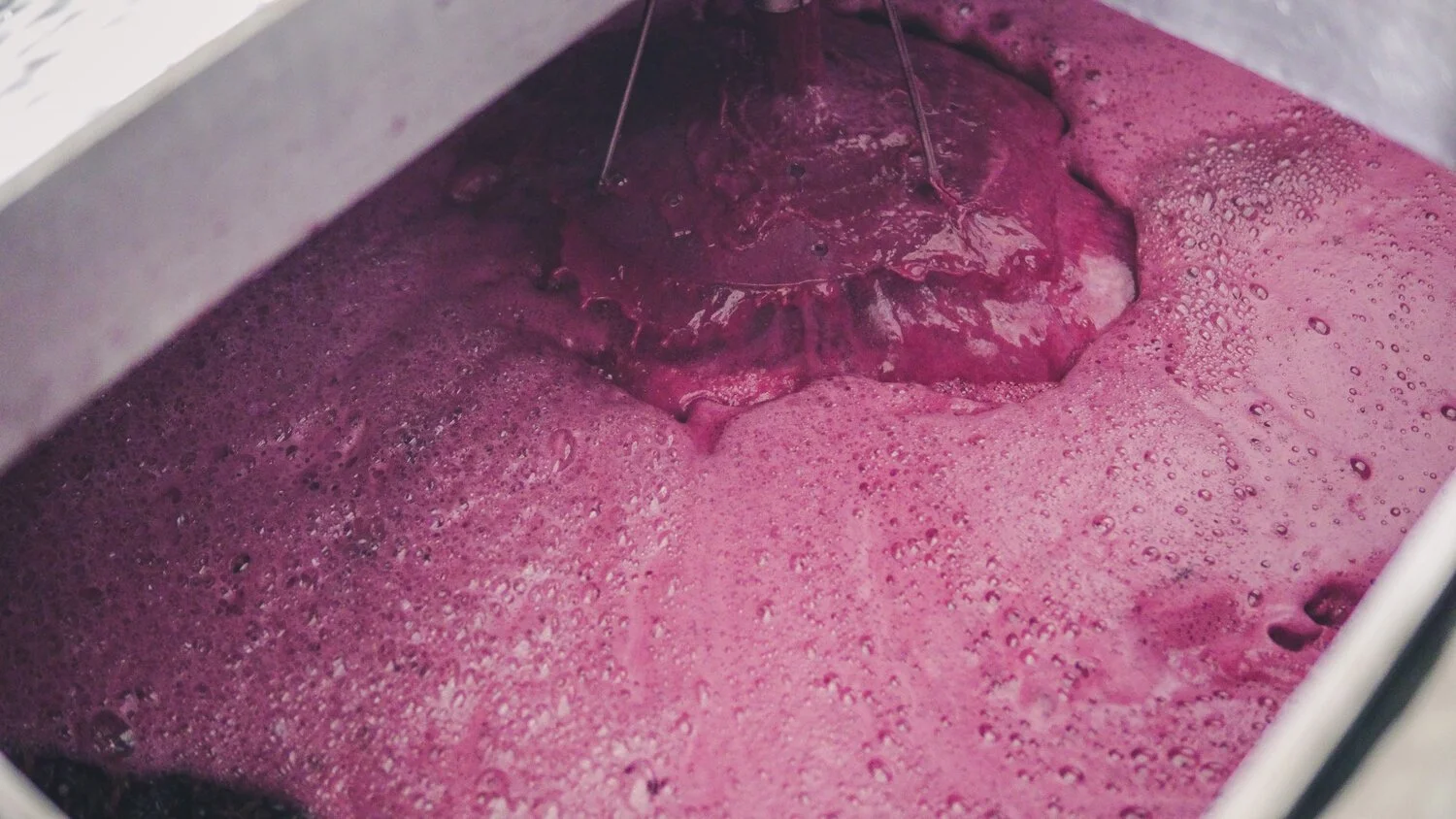
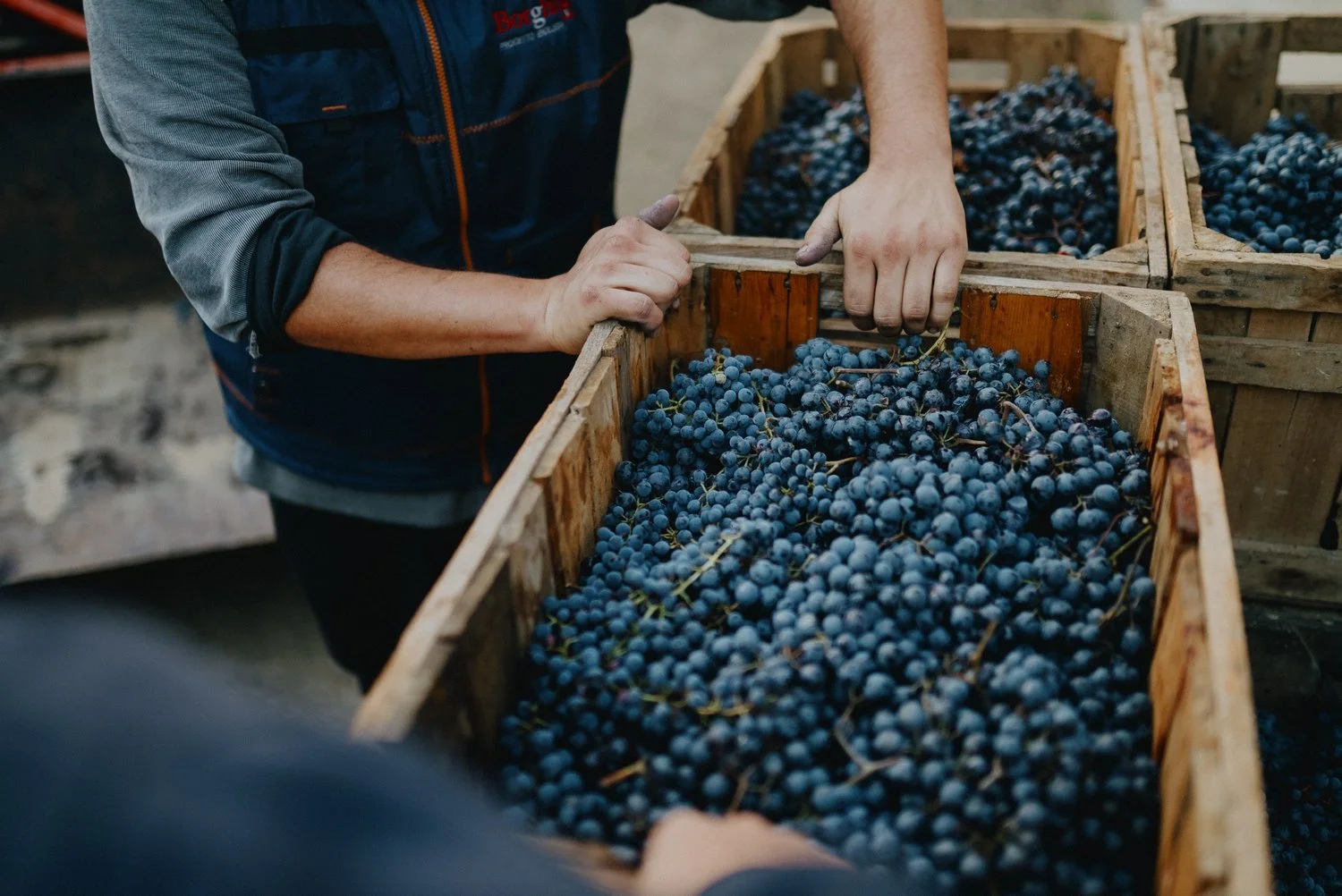
The bunches are manually picked, selected and cooled before pressing, to preserve the aromatic precursors as much as possible. Gentle pressing of whole grapes, with secondary fermentation in the bottle (ancestral method).
Tasting notes
Cherry pink colour with fine and persistent perlage. Elegant and intense aromas encompass a wide range of fragrant scents, from rosebuds to ripe red fruits, with a final hint of strawberry. On the palate, the sapidity enhances and recalls the scents perceived on the nose, while freshness dominates. Once again, it’s delightful to see how the taste changes by gently moving the lees, revealing a new balance between freshness and roundness.
Pairings
Ideal as an aperitif, with Parmigiano Reggiano and cold cuts, surprising on salmon and raw fish and with the Nordic cuisine of Denmark.
Alcohol content and serving temperature
Alcohol content: 12 % Vol.
Acidity: 7 g/l.
Sugar: 0 g/l.
Serving Temperature: 6 – 8 °C.
Notes: no sulphites added. If you wish to try it in its unfiltered form with the lees, it is recommended to leave the bottle upright for a few days before opening it for tasting.
End
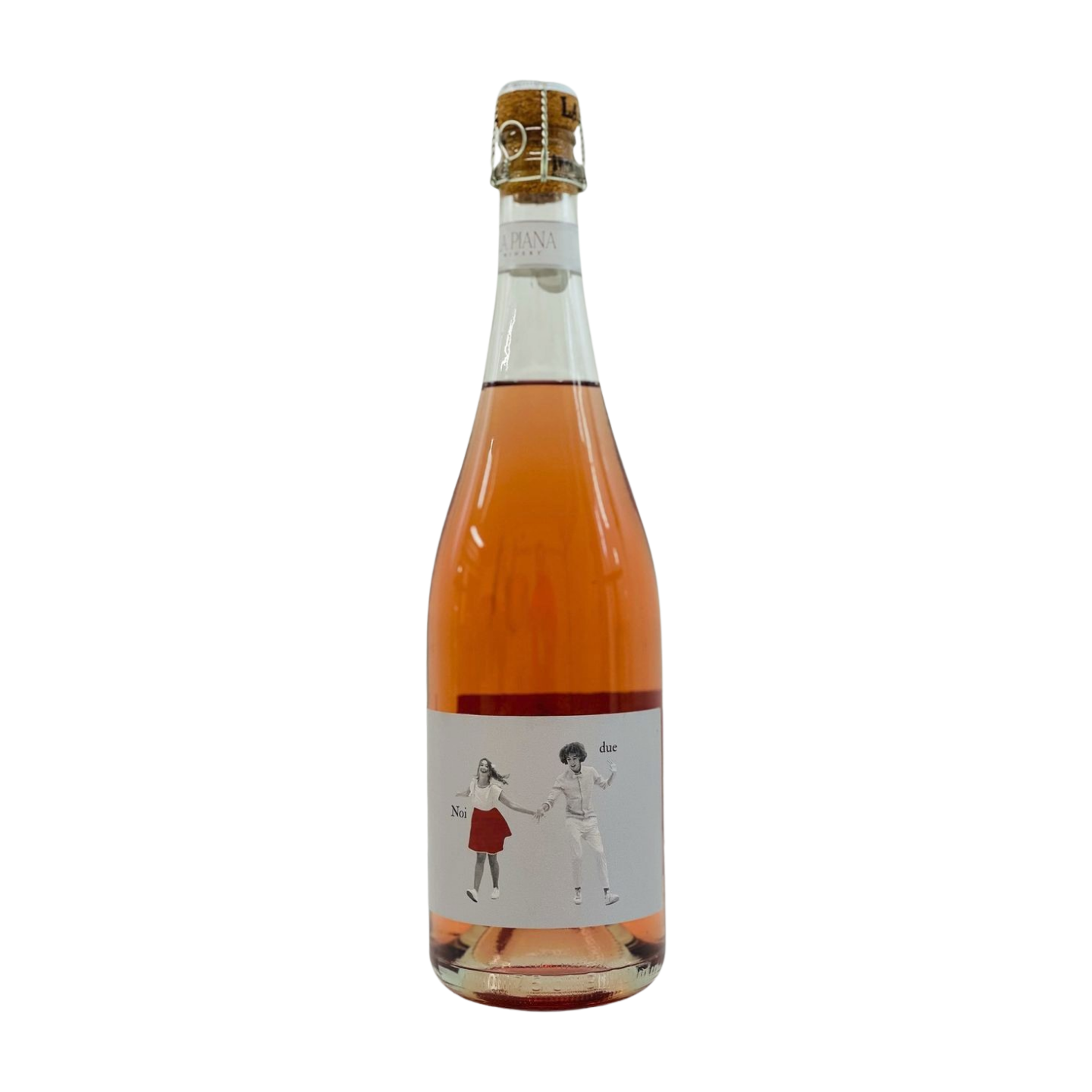
ROSÉ SPUMANTE BRUT RED BIO
Noi Due celebrates the love and union between two distinct souls, two different worlds, and two complementary flavours that, like a dance, intertwine in a whirlwind of sensations. This new label for one of our historic wines marks 20 years of organic farming! With this, we reaffirm our commitment to sustainability through a new initiative: lighter bottles, FSC-certified paper, and no capsules.
Grape variety
85% Lambrusco Grasparossa, 15% Lambrusco di Sorbara.
Vineyards of origin
We select the ideal grapes for this wine from all the company's vineyards in the hills of Castelvetro, exposed to excellent and constant ventilation that allows the perfect ripening of the bunches.
Soil: clayey, calcareous and rich in minerals.
Training system: espalier with Sylvoz pruning.
Average yield: 110 q/ha.
Vinification
The bunches are hand-picked, carefully selected, and cooled prior to pressing to preserve the aromatic precursors as much as possible. Gentle pressing and the Charmat method are employed to enhance the release of flavours and maintain the grape's organoleptic characteristics.
Tasting notes
Intense pink colour with fine, persistent perlage. The nose offers velvety, elegant aromas of great intensity, encompassing a broad spectrum of fresh scents, from rosebud to limoncella apple, finishing with hints of cherry. On the palate, it delivers rich persistence, echoing the aromas perceived on the nose, with an excellent balance of harmony and freshness.
Pairings
Ideal as an aperitif, perfect with oily fish, and surprisingly well-suited to the light Nordic cuisine of Denmark.
Alcohol content and serving temperature
Alcohol content: 11.5 % Vol.
Acidity: 7 g/l.
Sugar: 11 g/l.
Serving Temperature: 6 – 8 °C.
End
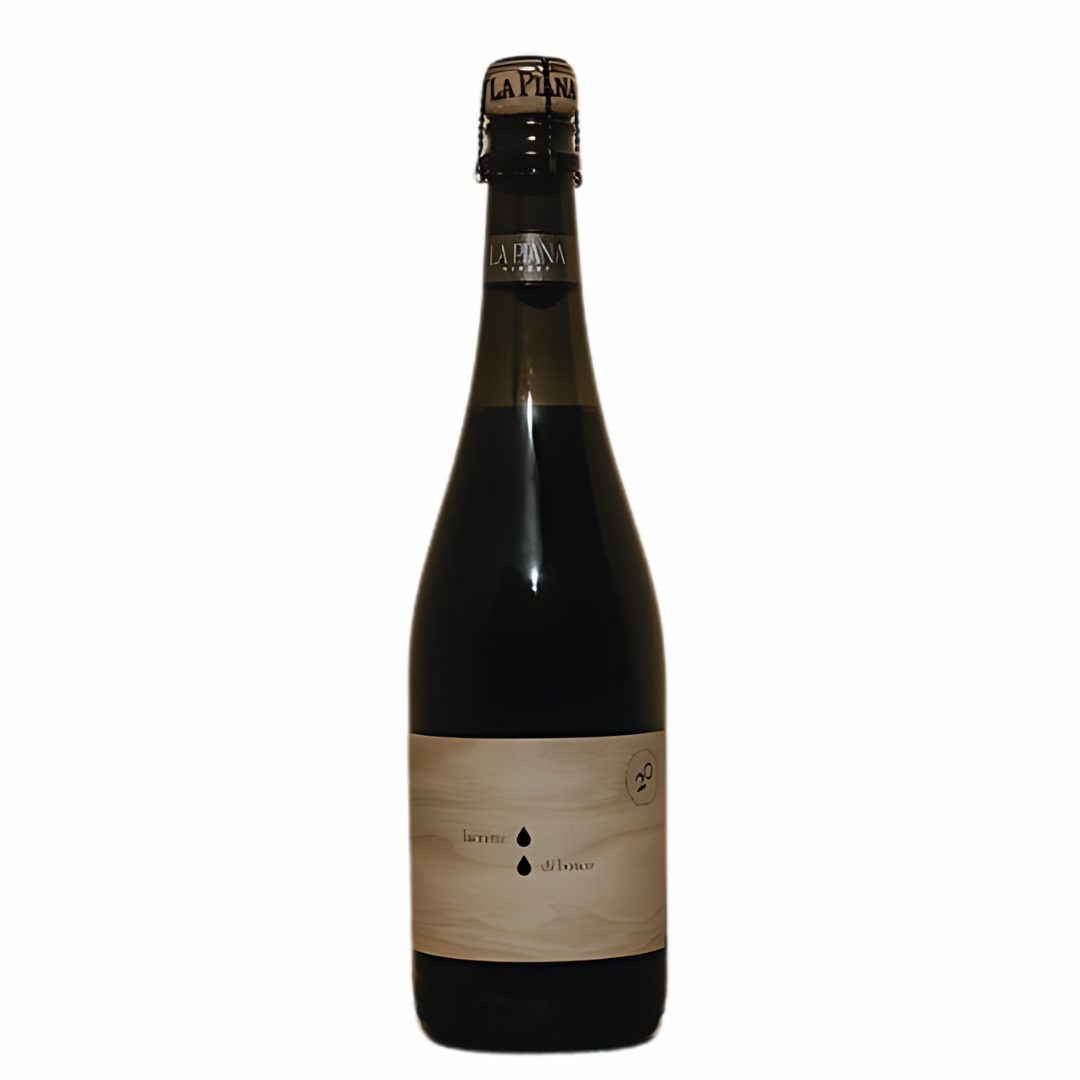
LAMBRUSCO GRASPAROSSA DI CASTELVETRO DOP - EMILIA ROMAGNA
SPUMANTE BRUT RED BIO
Lacrime di Bosco is the most authentic expression of the winemaking tradition of the Castelvetro hills. This Charmat method brings to light all the characteristics of Lambrusco Grasparossa di Castelvetro DOP, enhancing aroma and taste in the best way. A new label for one of our historic wines—we celebrate 20 years of organic farming! We reaffirm our commitment with a new project: lighter bottles, FSC-certified papers, no capsules.
Grape variety
100% Lambrusco.
Vineyards of origin
We select the ideal grapes for this wine from all the company's vineyards in the hills of Castelvetro, exposed to excellent and constant ventilation that allows the perfect ripening of the bunches.
Soil: clayey, calcareous and rich in minerals.
Training system: espalier with Sylvoz pruning.
Average yield: 130 q/ha.
Vinification
The bunches are manually picked, selected and cooled before pressing, to preserve the aromatic precursors as much as possible. Charmat method to enhance the release of flavours and preserve the organoleptic characteristic of the grape.
Tasting notes
Bright amaranth colour with purple-tinged edges. Aromas of blackberry jam and wild strawberry emerge on the nose. The palate is enveloping and well-balanced, with a persistent finish. The tannins are soft and evolving, lending a smooth texture. Overall, it is refined, pleasant, and approachable.
Pairings
Pairs perfectly with Emilian cuisine, including “gnocco fritto” and “crescentine,” as well as “piadina” and assorted cold cuts. It also complements pasta dishes with meat or tomato-based sauces, and pairs well with fresh cheeses.
Alcohol content and serving temperature
Alcohol content: 11 % Vol.
Acidity: 7 g/l.
Sugar: 10 g/l.
Serving Temperature: 14 – 16 °C.
End
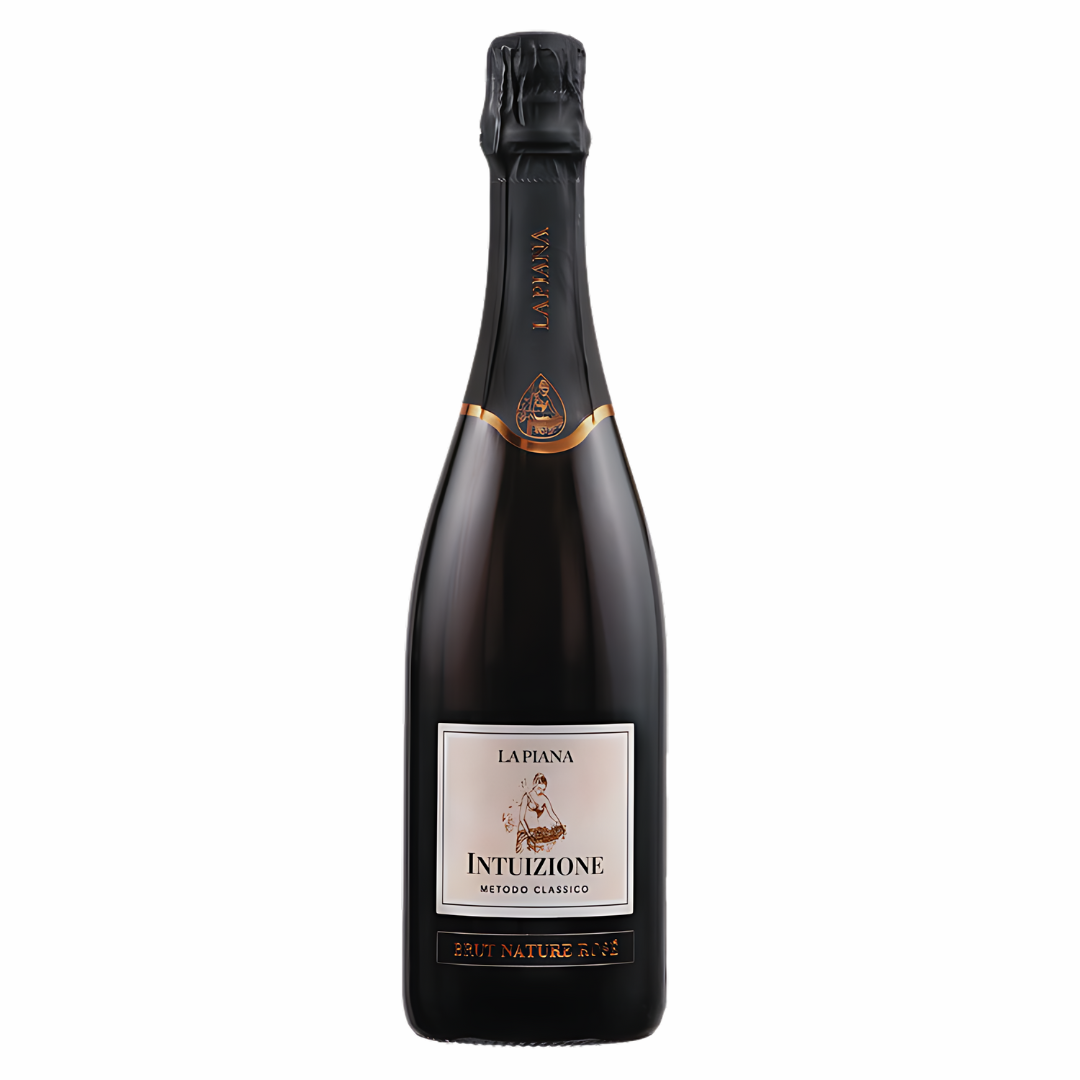
ROSÉ SPUMANTE CLASSIC METHOD NATURE BIO – 30 MONTHS
The Classic Method for Lambrusco Grasparossa di Castelvetro surprised Marco from the very first sip. In a blind tasting, you might even mistake it for Champagne. "Intuizione" stands as living proof of how far we’ve come from the mistreatment Lambrusco Grasparossa endured in the '70s and '80s, when it was sold cheaply in cans around the world. Today, Lambrusco Grasparossa proves to be a variety that lends itself to refined, elegant winemaking.
Grape variety
100% Lambrusco Grasparossa di Castelvetro.
Vineyards of origin
We select the ideal grapes for this wine from all the company's vineyards in the hills of Castelvetro, exposed to excellent and constant ventilation that allows the perfect ripening of the bunches.
Soil: clayey, calcareous and rich in minerals.
Training system: espalier with Sylvoz pruning.
Average yield: 110 q/ha.
Vinification
The bunches are hand-picked, carefully selected, and cooled prior to pressing to preserve the aromatic precursors as much as possible. For this wine, the Classic Method was chosen, using only the first 15% of the press, resulting in a bright, distinctive character that showcases the purity and elegance of the grape.
Tasting notes
The enchanting colour, a lively amber, is complemented by a very fine and persistent perlage. The pleasant and inviting visual impression leads to an intoxicating bouquet that immediately captivates. An intense note of bread crust almost deceives on the finish, giving way to lively and intense spicy hints ranging from black pepper to cinnamon, with a surprising touch of wild rose that completes the aromatic structure. This is a harmonious wine, standing out for its freshness and enveloping character. Until the very last sip, it echoes the aromas perceived on the nose, culminating in a balanced, lingering finish with delightful nuances that are hard to forget.
Pairings
Ideal as an aperitif, sea food, raw fish, and surprisingly well-suited to the light Nordic cuisine of Denmark.
Alcohol content and serving temperature
Alcohol content: 12.5 % Vol.
Acidity: 7 g/l.
Sugar: 0 g/l.
Serving Temperature: 6 – 8 °C
End
FAQs
-
Lambrusco Grasparossa is an indigenous red grape variety native to the hills around Castelvetro di Modena in Emilia-Romagna, Italy. It is one of several Lambrusco grape varieties and is known for producing the darkest, most structured, and most full-bodied expressions of Lambrusco.
Unlike the sweet Lambrusco wines that became popular internationally decades ago, modern Lambrusco Grasparossa is typically dry, vibrant, and exceptionally food-friendly.
-
Both.
Lambrusco refers to a family of ancient grape varieties as well as the wines produced from them.
Some of the best-known Lambrusco grapes include:
Lambrusco Grasparossa
Lambrusco di Sorbara
Lambrusco Salamino
Lambrusco Maestri
Each variety produces wines with its own personality, colour, structure, and aroma profile.
-
Lambrusco Grasparossa is the boldest and most structured member of the Lambrusco family.
Compared to Lambrusco di Sorbara, which is delicate and floral, Grasparossa produces wines with:
deeper colour
richer blackberry and black cherry flavours
more noticeable tannins
fuller body
greater ageing potential
Its naturally firm structure makes it exceptionally versatile at the dining table.
-
Not necessarily.
One of the biggest misconceptions about Lambrusco is that it is always sweet.
Modern Lambrusco Grasparossa can be produced in a range of styles:
Brut Nature - below 3 g/L residual sugar
Extra Brut - very dry (0–6 g/L)
Brut - classic dry
Extra Dry - slightly softer with a subtle touch of sweetness
Sec - medium sweet
Demi-Sec - sweet
Doux - very sweet
Most premium producers today focus on dry or off-dry styles that emphasize freshness, acidity, and food compatibility.
-
During the 1970s and 1980s, large quantities of inexpensive, mass-produced Lambrusco were exported around the world. Many of these wines were overly sweet and made for volume rather than quality.
Today, a new generation of producers has transformed Lambrusco's reputation by focusing on lower yields, indigenous grapes, sustainable viticulture, and careful winemaking. Premium Lambrusco now ranks among Italy's most exciting sparkling wines.
-
Lambrusco naturally lends itself to sparkling winemaking because of its vibrant acidity and fresh fruit character.
The bubbles enhance freshness, soften tannins, and make the wine exceptionally refreshing and versatile with food.
Depending on the producer, Lambrusco may be made using:
the Charmat Method
the Traditional Method (Metodo Classico)
the Ancestral Method (Pet Nat)
Each technique creates a different style while preserving the character of the grape.
-
Typical aromas include:
blackberry
black cherry
wild strawberry
violet
rose petals
black pepper
Mediterranean herbs
On the palate, expect lively acidity, gentle tannins, vibrant fruit, and a long, savoury finish.
-
Yes.
Lambrusco Grasparossa is a red grape variety that produces sparkling red wines.
However, it can also be vinified as a rosé through gentle pressing and limited skin contact, resulting in elegant sparkling rosé wines.
-
Lambrusco Grasparossa is one of Italy's most versatile food wines.
Classic pairings include:
Parmigiano Reggiano
Prosciutto di Parma
Mortadella
Gnocco Fritto
Lasagne
Ragù alla Bolognese
Pizza
Charcuterie
Barbecue
Burgers
Roast pork
Duck
Mushroom dishes
Its combination of acidity, bubbles, and gentle tannins makes it ideal for rich and savoury dishes.
-
Three natural characteristics make Lambrusco exceptionally food-friendly:
Acidity refreshes the palate after rich dishes.
Fine bubbles cleanse the mouth between bites.
Gentle tannins provide enough structure for meat and aged cheeses.
This rare combination allows Lambrusco to pair with everything from charcuterie to grilled meats and pizza.
-
Yes.
Serving temperature depends on the style:
Pet Nat: 6–8°C
Traditional Method: 6–8°C
Rosé Lambrusco: 6–8°C
Brut Lambrusco: 8–10°C
Structured red Lambrusco: 10–12°C
Serving it too warm can make the wine feel heavier, while serving it too cold can mute its aromas.
-
Most Lambrusco is intended to be enjoyed within a few years of release, when its freshness and fruit are at their peak.
However, premium examples - particularly Traditional Method Lambrusco aged on the lees - can evolve beautifully over several years, developing greater complexity, creamy texture, and notes of brioche and spice.
-
It depends on the producer.
Some wineries use animal-derived fining agents during clarification, while others either avoid fining altogether or use vegan alternatives.
If this is important to you, check the individual producer's specifications.
-
Yes.
Wine is naturally gluten-free, including Lambrusco.
Although trace contamination is theoretically possible in some production environments, Lambrusco contains no gluten ingredients.
-
Not all Lambrusco is organic.
Many of today's leading producers have embraced organic farming and sustainable viticulture to better express the character of the vineyard.
Porcalorca's Lambrusco producer, La Piana Winery, has practiced certified organic viticulture for more than 20 years and combines traditional winemaking with a strong commitment to environmental sustainability.
Go Deeper Into Lambrusco
There’s more to this grape than one page can hold. From its ancient roots to its modern rediscovery, here’s where the story continues.