
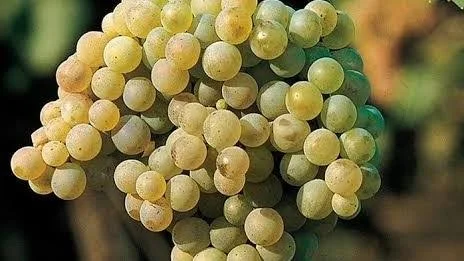
Trebbiano Spoletino
Umbria's Ancient Vine That Climbed Trees
Ancient. Remarkable. Rediscovered.
Trebbiano Spoletino is one of Italy's most fascinating white grape varieties. Native to Umbria, it has been cultivated for centuries using one of the world's most extraordinary vineyard traditions: vines trained to climb living trees.
Once almost forgotten, Trebbiano Spoletino has become one of Italy's most exciting rediscoveries, producing elegant, structured wines with remarkable freshness, complexity and a deep connection to the Umbrian landscape.
Forget Everything You Think You Know About Vineyards
Most vineyards grow in neat, orderly rows.
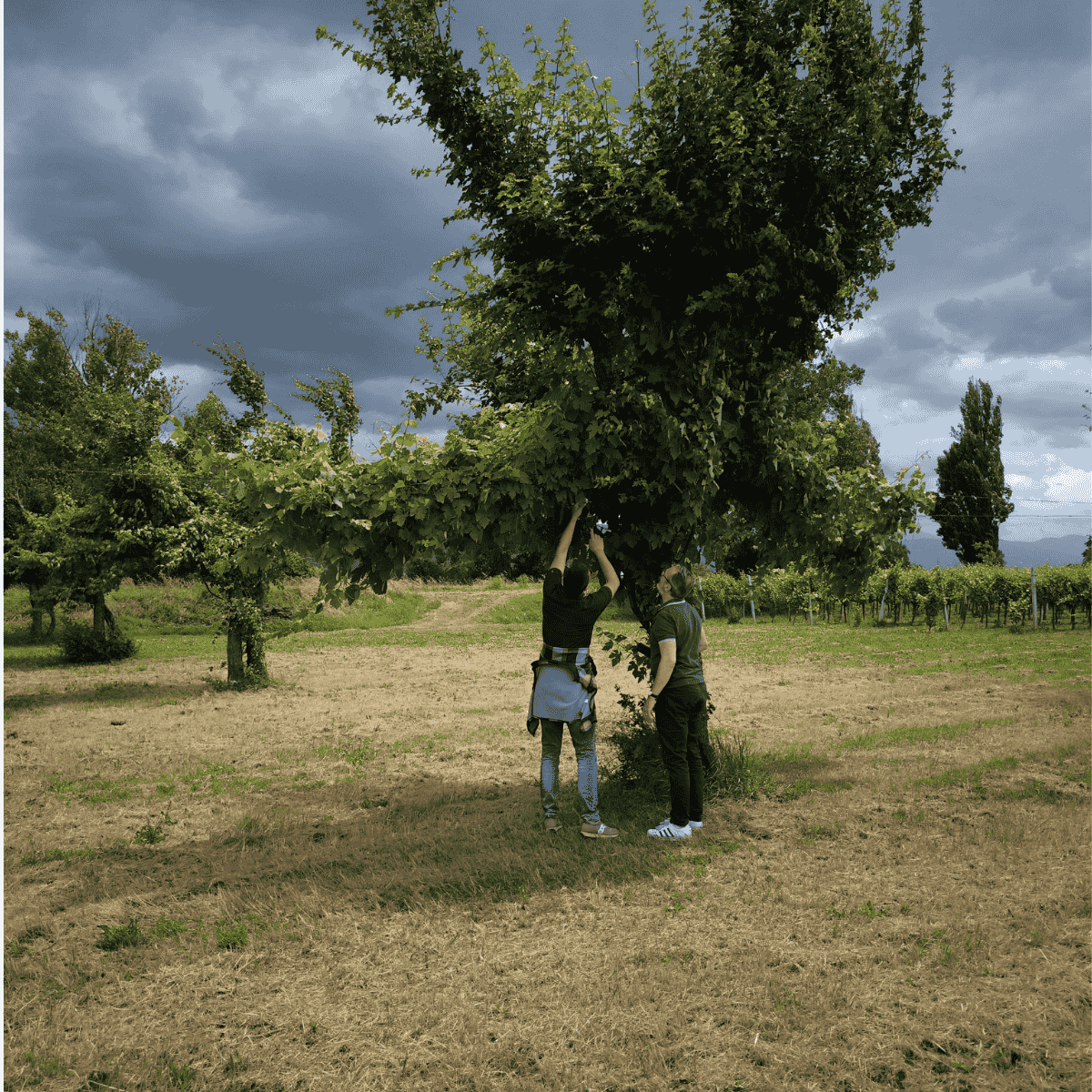
Trebbiano Spoletino once climbed trees.
For centuries, farmers "married" their vines to living elms, maples and poplars, allowing grapes to grow high above the fields while crops flourished below. It was a beautiful partnership between agriculture and nature - one that reflected a time when every piece of land had to provide for the family.
Some vineyards weren't designed to dominate the landscape.
They were designed to share it.
What is Trebbiano Spoletino?
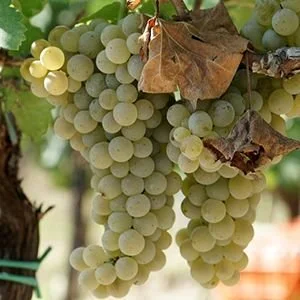
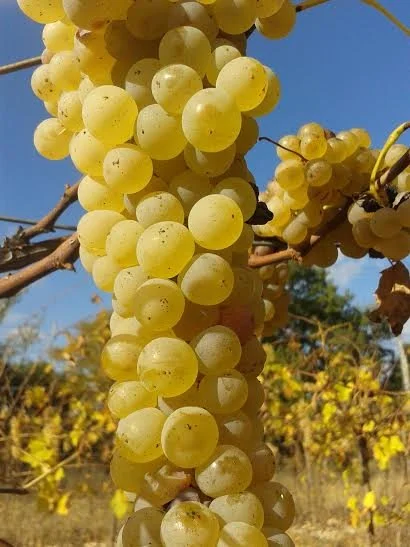
Trebbiano Spoletino is an ancient indigenous white grape variety from Umbria, particularly around the historic town of Spoleto.
Despite sharing its name with several other Italian Trebbiano varieties, DNA studies have shown that Trebbiano Spoletino is genetically distinct. Today, it is recognised as one of Italy's most exciting native white grapes, celebrated for its freshness, complexity and remarkable versatility.
What Makes Trebbiano Spoletino So Special?
A grape unlike any other Trebbiano
Although it shares the Trebbiano name, Trebbiano Spoletino has its own unique identity, producing wines with vibrant acidity, layered fruit and exceptional structure.
The legacy of the married vine
For centuries, the vines climbed living trees instead of wooden posts. This ancient training system, known as vite maritata, allowed farmers to cultivate vines while continuing to grow cereals, vegetables and other crops beneath them.
A grape rediscovered
By the late twentieth century, Trebbiano Spoletino had almost disappeared. Today, a new generation of Umbrian winemakers has brought the variety back to life, proving that some of Italy's greatest treasures were simply waiting to be rediscovered.
Ancient Roots
The story of Trebbiano Spoletino stretches back to the Etruscans and the Romans, who perfected the practice of training vines up living trees - a method known as arbustum.
Roman writers such as Columella, Pliny the Elder and Vergil described this form of viticulture in detail, praising the elm tree as the ideal partner for the vine.
For centuries, the landscape around Spoleto was filled with these "married vines," creating a living vineyard unlike anywhere else in the world.
DID YOU KNOW
Trebbiano Spoletino was once "married" to trees.
Instead of growing on wires or wooden stakes, the vines climbed living elm, maple and poplar trees. Farmers harvested the grapes from tall ladders while continuing to grow crops beneath the canopy - a farming tradition dating back to the Etruscans and Romans.
Today, only a handful of these historic vineyards remain, preserving one of Italy's oldest agricultural traditions.
Style
Dry white or skin-contact orange wine
Body
Medium to full-bodied
Structure
Fresh acidity • Rich texture • Remarkable complexity
Aromas
Citrus • Yellow peach • Orchard fruit • Herbs • Wild flowers • Mineral notes
Ageing Potential
Excellent. Develops beautifully with time.
Perfect With
Black truffle • Mature cheeses • Roasted vegetables • Rich seafood • Traditional Umbrian cuisine
Trebbiano Spoletino at a Glance
Why Porcalorca Chose Trebbiano Spoletino
Some wines preserve tradition.
Trebbiano Spoletino preserves an entire way of farming.
The story of vines climbing living trees reminds us that wine has always been about more than grapes. It is about people adapting to the landscape, respecting nature and creating something that could sustain generations.
That philosophy resonates deeply with us.
Trebbiano Spoletino is more than a remarkable wine.
It is a living connection to Italy's agricultural heritage - and exactly the kind of story we want to share through Porcalorca.
Meet the Region & Winemakers
Umbria
Where ancient traditions still shape the landscape
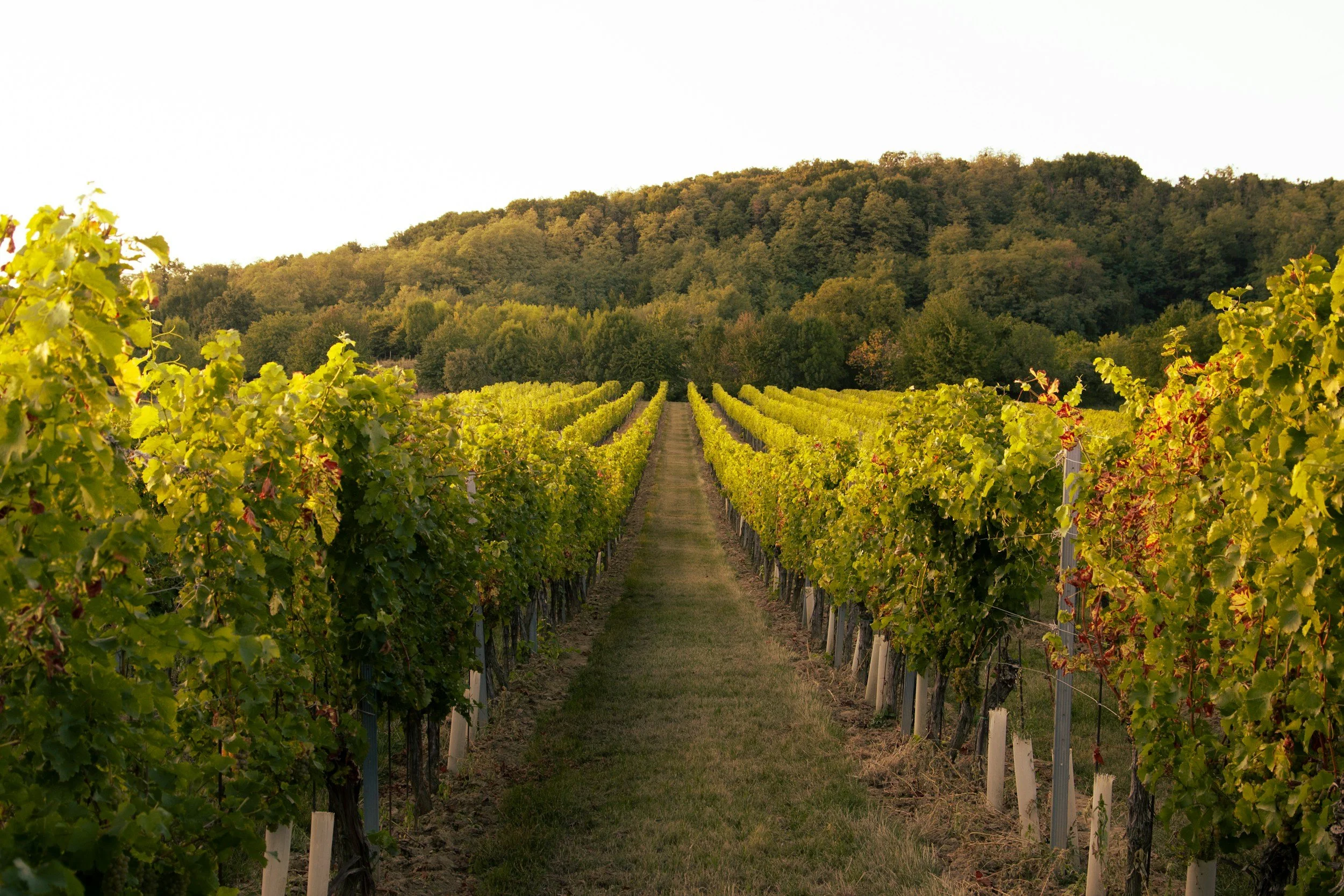
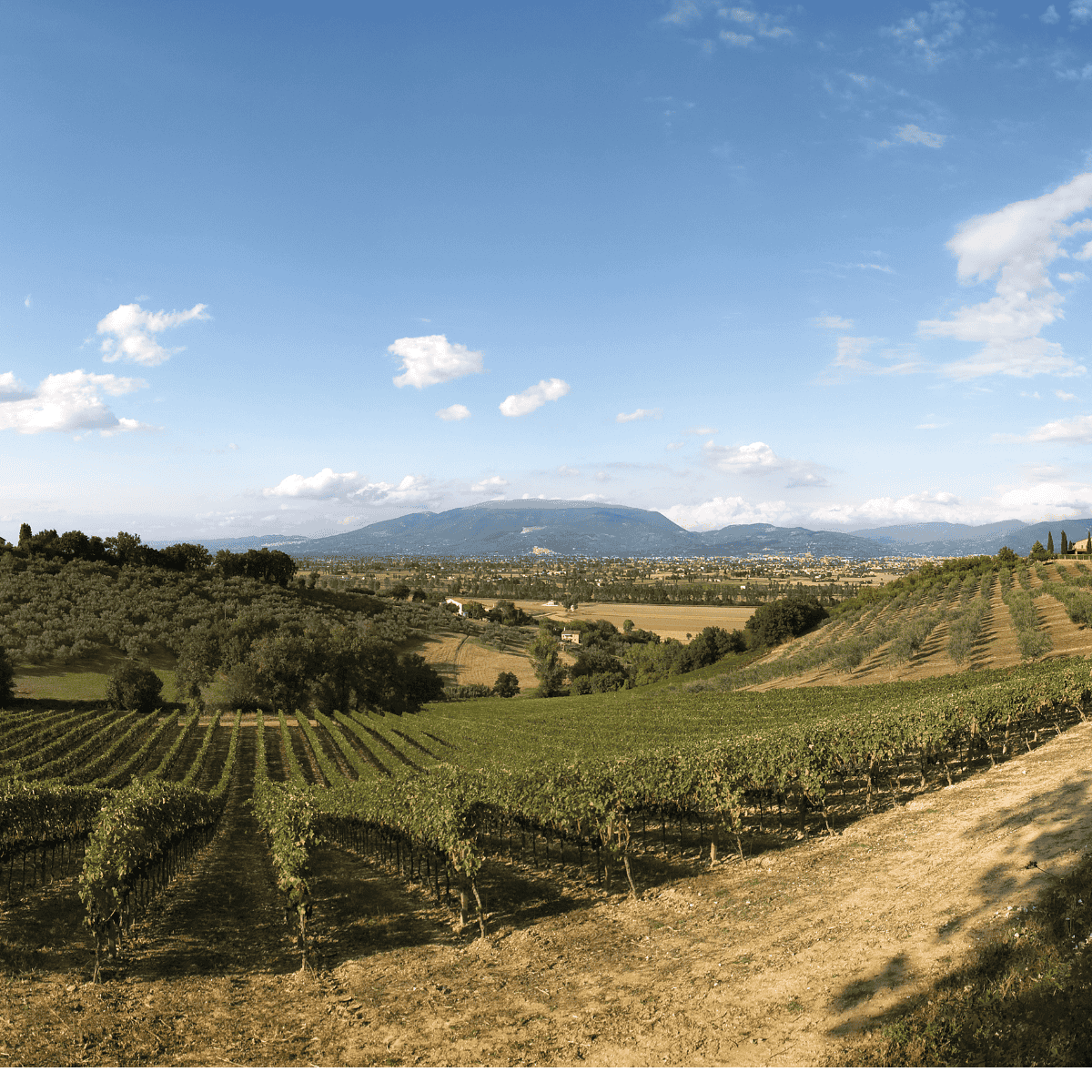
Known as Italy's Green Heart, Umbria is a land of rolling hills, medieval villages and centuries-old farming traditions. Around Spoleto, clay-rich soils and a temperate climate create ideal conditions for Trebbiano Spoletino, while the region's deep agricultural heritage continues to inspire a new generation of winemakers.

Romanelli
Reviving one of Umbria's oldest treasures
At Romanelli, Trebbiano Spoletino is more than an indigenous grape—it is a piece of Umbrian history. By cultivating fruit from historic vineyards and crafting wines like Le Tese, the family honours centuries of tradition while revealing the remarkable complexity this ancient variety can achieve.
Their philosophy is rooted in authenticity, patience and respect for the land, ensuring Trebbiano Spoletino continues to thrive for generations to come.
Discover Le Tese
An ancient grape through a modern lens
Romanelli's Le Tese is unlike most white wines.
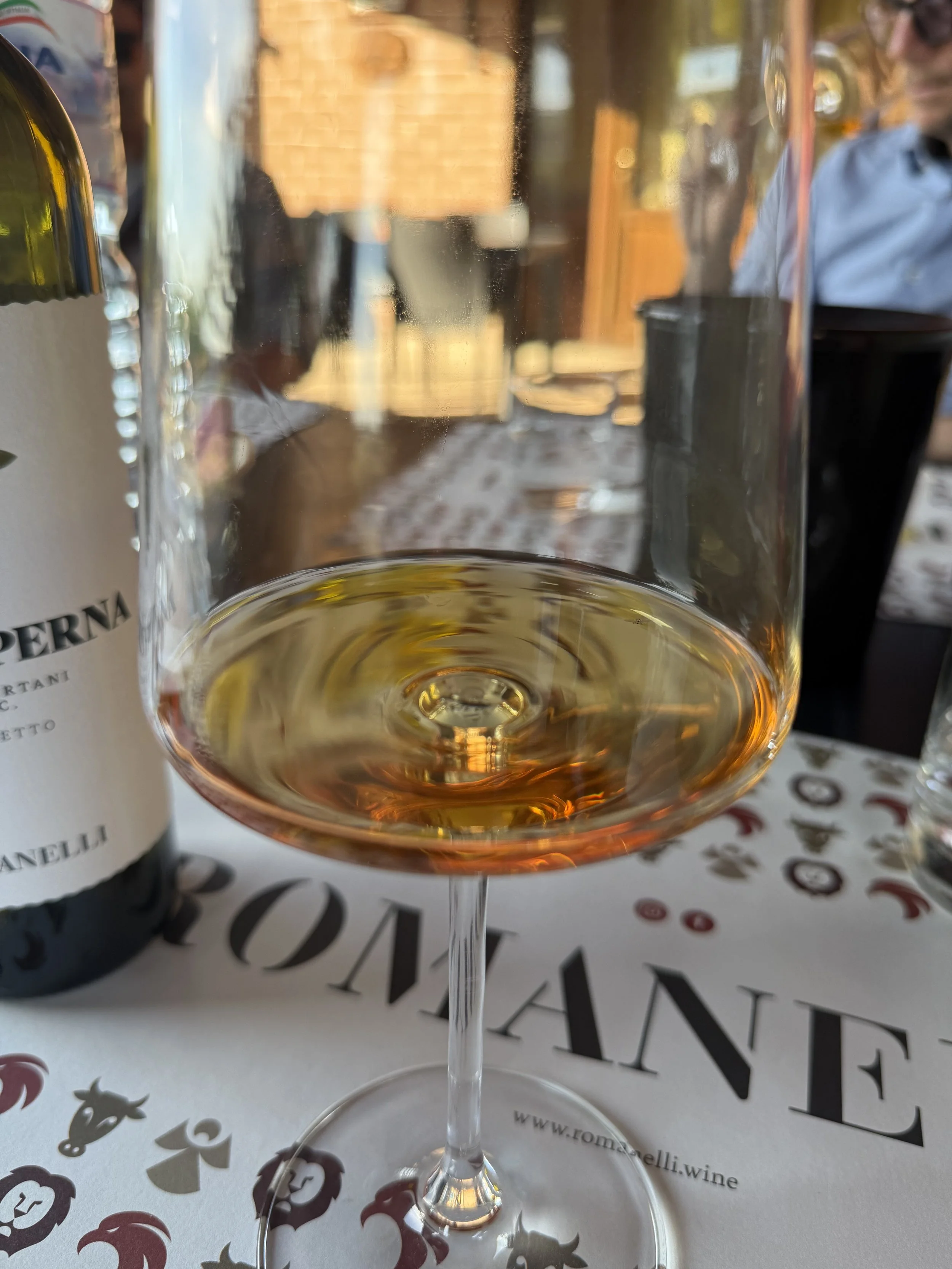
Made from 100% Trebbiano Spoletino, it undergoes 40–50 days of skin maceration, allowing the wine to develop remarkable texture, structure and complexity while taking on its beautiful golden colour. It then matures on its fine lees in stainless steel before spending additional time in bottle, resulting in a wine that continues to evolve with age.
Produced from a recovered historic vineyard where some vines were traditionally married to living trees, Le Tese brings together ancient Umbrian farming traditions and thoughtful modern winemaking in a wine with a strong sense of place.
One ancient grape. One remarkable wine.
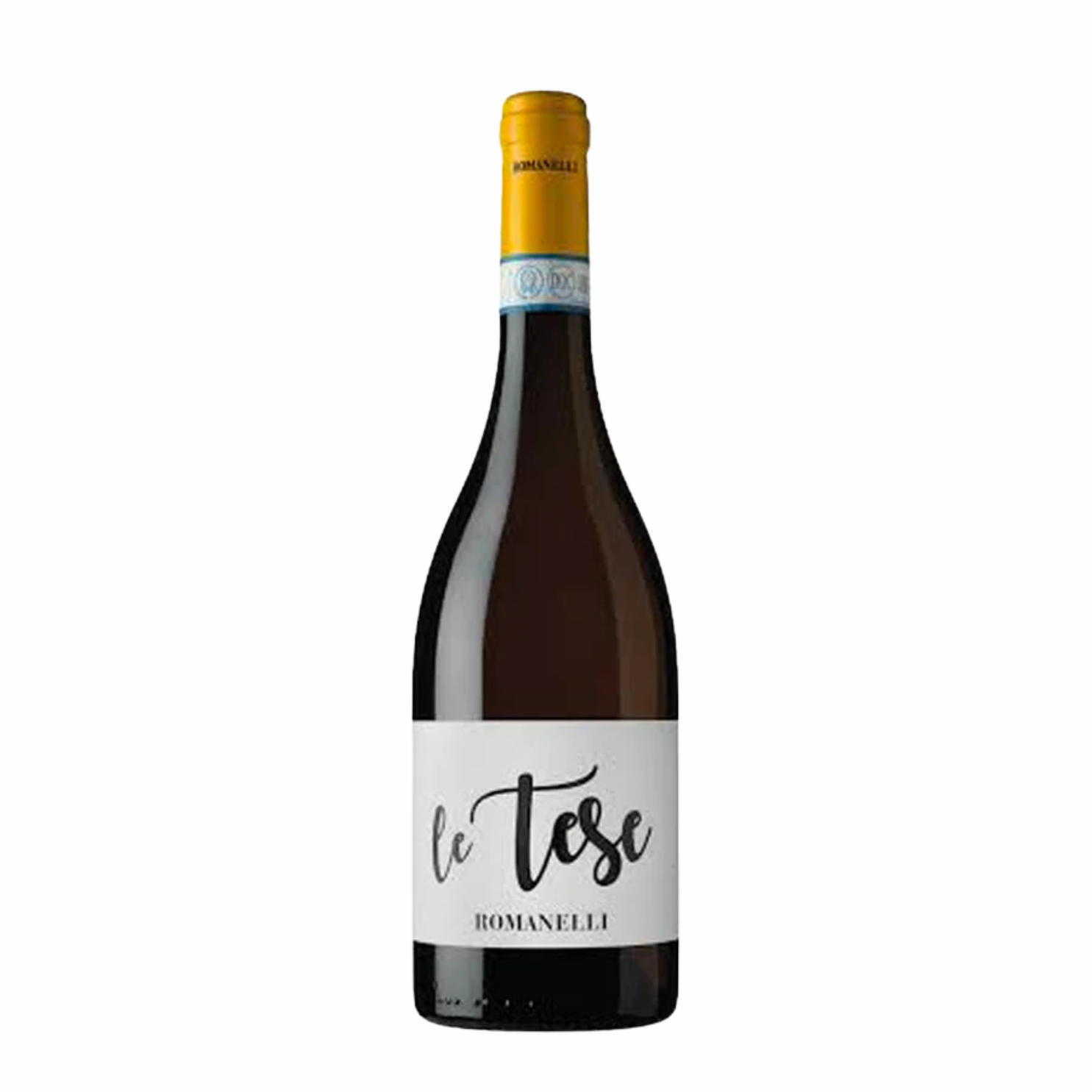
UMBRIA - ORANGE WINE
With the desire to rediscover the most authentic traditions of its territory, Romanelli turned its attention to Trebbiano Spoletino, an ancient Umbrian grape variety of rare elegance. Le Tese comes from vineyards located between Montefalco and Castel Ritaldi, on clay soils that produce highly aromatic grapes, rich in texture and marked by vibrant acidity. Outstanding in its youth, it develops further over time, acquiring even more refined and profound nuances, a white of great charm, telling the inseparable story of grape, land, and winemaker’s hand.
Grape variety
100% Trebbiano Spoletino.
Vineyards of origin
Selection of grapes from estate-owned vineyards in the municipalities of Montefalco and Castel Ritaldi, at an altitude of 220 meters above sea level.
Soil: Clay.
Training system: Guyot, “palmetta” and “vite maritata”.
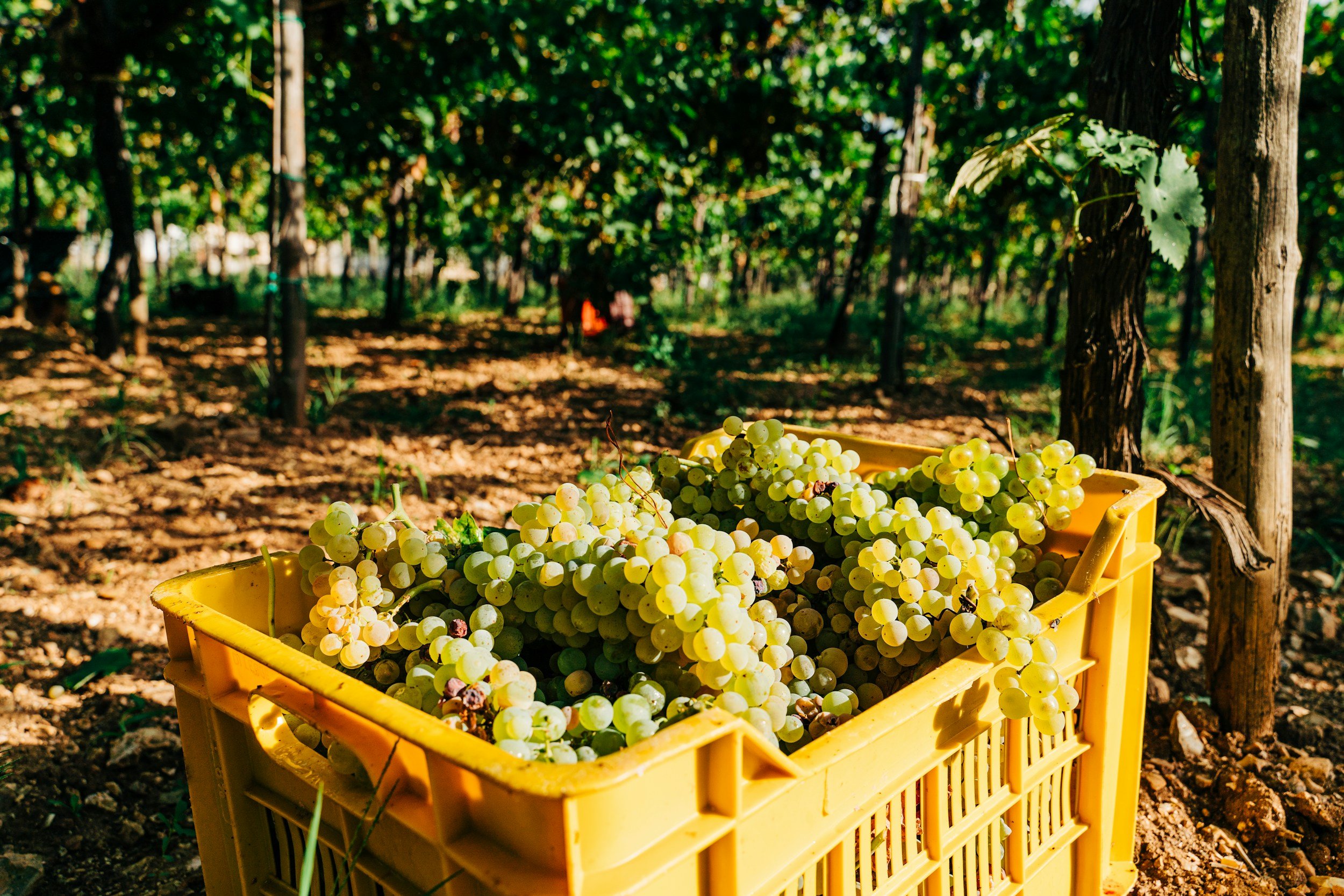
Season in the field: Regular vintage with manual harvest at the end of October, when the grapes reach full phenolic ripeness.
Average yield: 80 q/ha, 3000 vines per hectares.
Vinification
The grapes ferment in contact with the skins for 40–50 days, extracting aromas, color, and structure, in accordance with the ancient Trebbiano Spoletino tradition.
Aging: 8 months in stainless steel on fine lees, followed by at least 6 months of bottle aging.
Tasting notes
Golden yellow color, typical of medium-long skin maceration. The nose is intense and complex, with notes of ripe citrus, exotic fruits, and yellow-fleshed fruit, enriched with mineral nuances. On the palate it is broad and structured, with great texture and lively acidity that brings balance and lift. Long and persistent finish.
Pairings
Perfect with cheeses and cured meats, egg-based dishes, vegetarian appetizers, and black truffle preparations. Also pairs well with flavorful fish dishes or shellfish.
Alcohold content and serving temperature
Alcohol content: 12,5% Vol.
Serving temperature: 12 - 14°C.
End
FAQs
-
Trebbiano Spoletino is an ancient indigenous white grape variety from Umbria, particularly around the historic town of Spoleto. Although it shares the Trebbiano name with other Italian grapes, it is genetically distinct and produces wines with remarkable freshness, structure and complexity.
-
Trebbiano Spoletino is grown almost exclusively in Umbria, primarily around Spoleto and Montefalco. The region's clay-rich soils, rolling hills and temperate climate create ideal conditions for this historic grape variety.
-
No. Despite its name, Trebbiano Spoletino is genetically different from other Trebbiano varieties such as Trebbiano Toscano or Trebbiano d'Abruzzo. It is a unique indigenous grape with its own distinctive character and history.
-
Vite maritata, or "married vine," is an ancient farming method where grapevines are trained to climb living trees instead of wooden stakes or wires. Dating back to the Etruscans and Romans, this allowed farmers to grow crops beneath the vines while making the most of every piece of land.
-
Training vines up elm, maple or poplar trees protected the grapes from ground humidity and allowed cereals, vegetables and other crops to flourish below. It was a practical and sustainable form of mixed farming that shaped the Umbrian landscape for centuries.
-
Trebbiano Spoletino is known for its vibrant acidity, rich texture and remarkable complexity. Expect aromas of citrus, yellow peach, orchard fruit, herbs and delicate mineral notes. Depending on the winemaking style, it can be fresh and vibrant or more textured and complex.
-
Yes. Romanelli's Le Tese is a skin-contact Trebbiano Spoletino, meaning the grape skins remain in contact with the juice during fermentation for 40–50 days. This traditional technique gives the wine its deep golden colour, layered aromas and structured palate.
-
Trebbiano Spoletino pairs beautifully with mature cheeses, vegetarian dishes, egg-based recipes, roasted vegetables, black truffle and traditional Umbrian cuisine. The structure of Le Tese also makes it an excellent match for richer seafood dishes and white meats.
-
For many years, Trebbiano Spoletino survived mainly in old family vineyards and was almost forgotten. Thanks to a new generation of Umbrian winemakers, the grape has been rediscovered and is now recognised as one of Italy's most exciting indigenous white varieties.
-
Because it tells a story unlike any other. From vines once "married" to living trees to the revival of a nearly forgotten grape, Trebbiano Spoletino celebrates the connection between people, nature and tradition. Through Romanelli's Le Tese, we're proud to share one of Umbria's most remarkable wines and the centuries-old heritage behind every bottle.
Go Deeper Into Trebbiano Spoletino
There’s more to this grape than one page can hold. From its ancient roots to its modern rediscovery, here’s where the story continues.