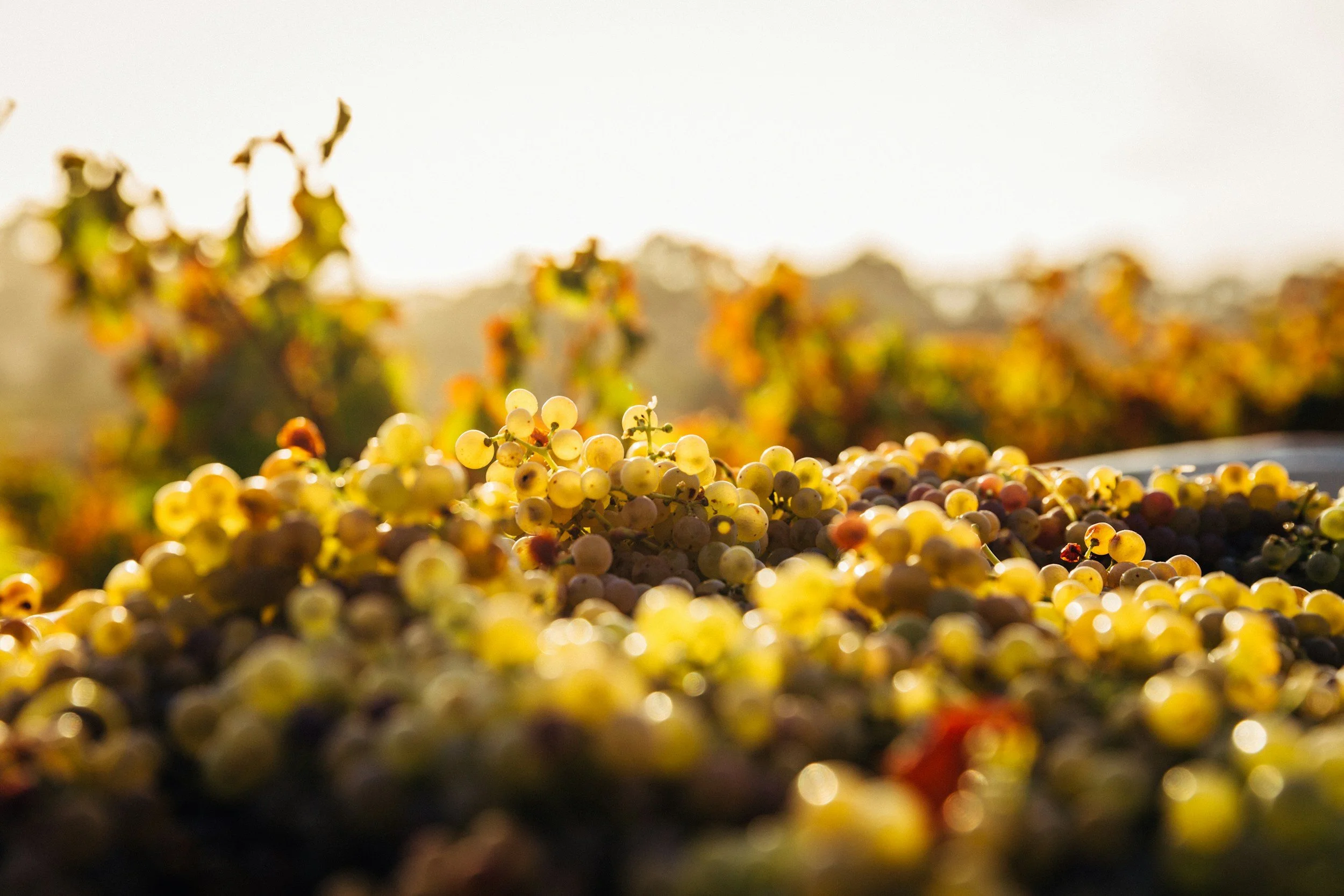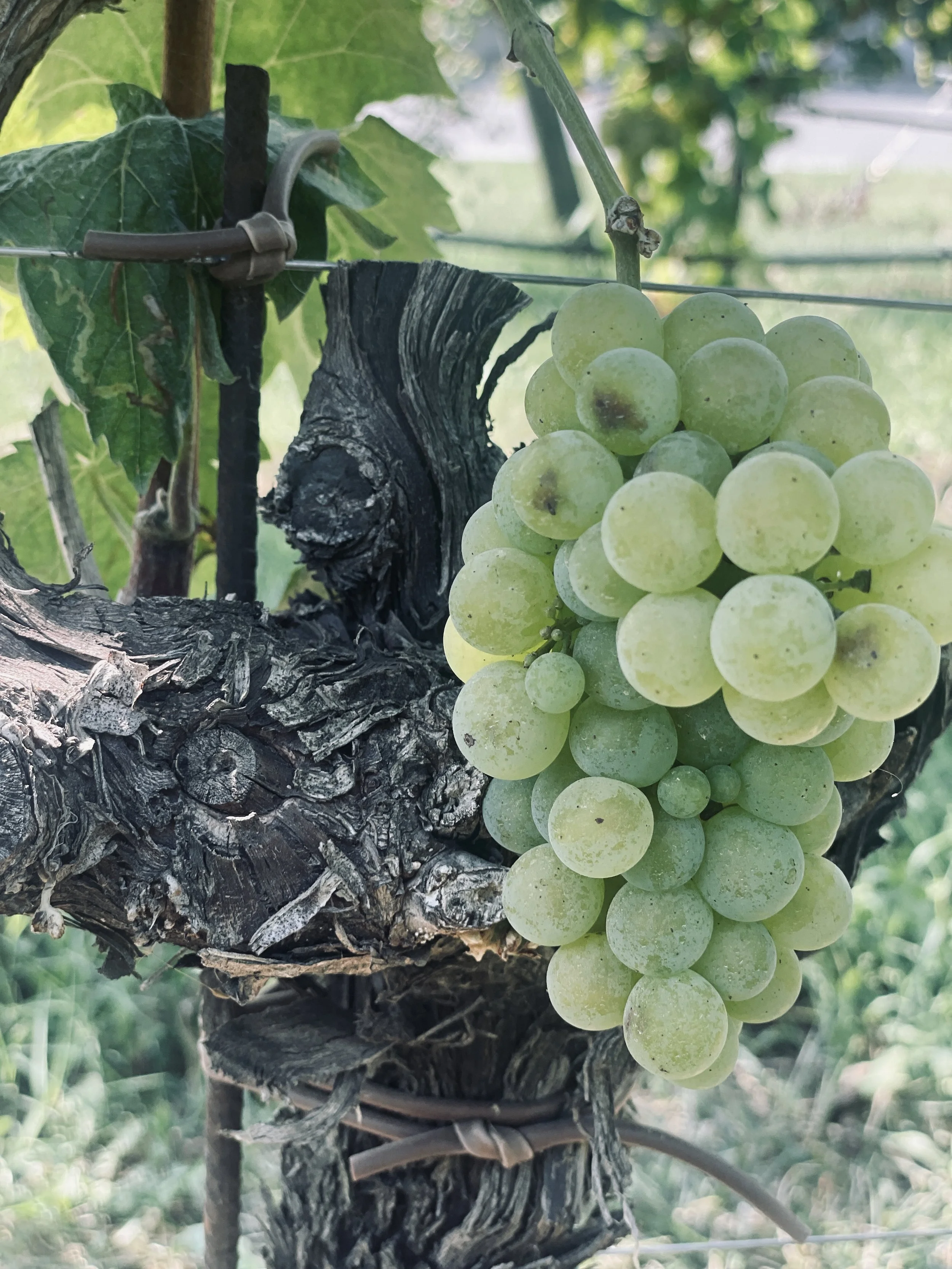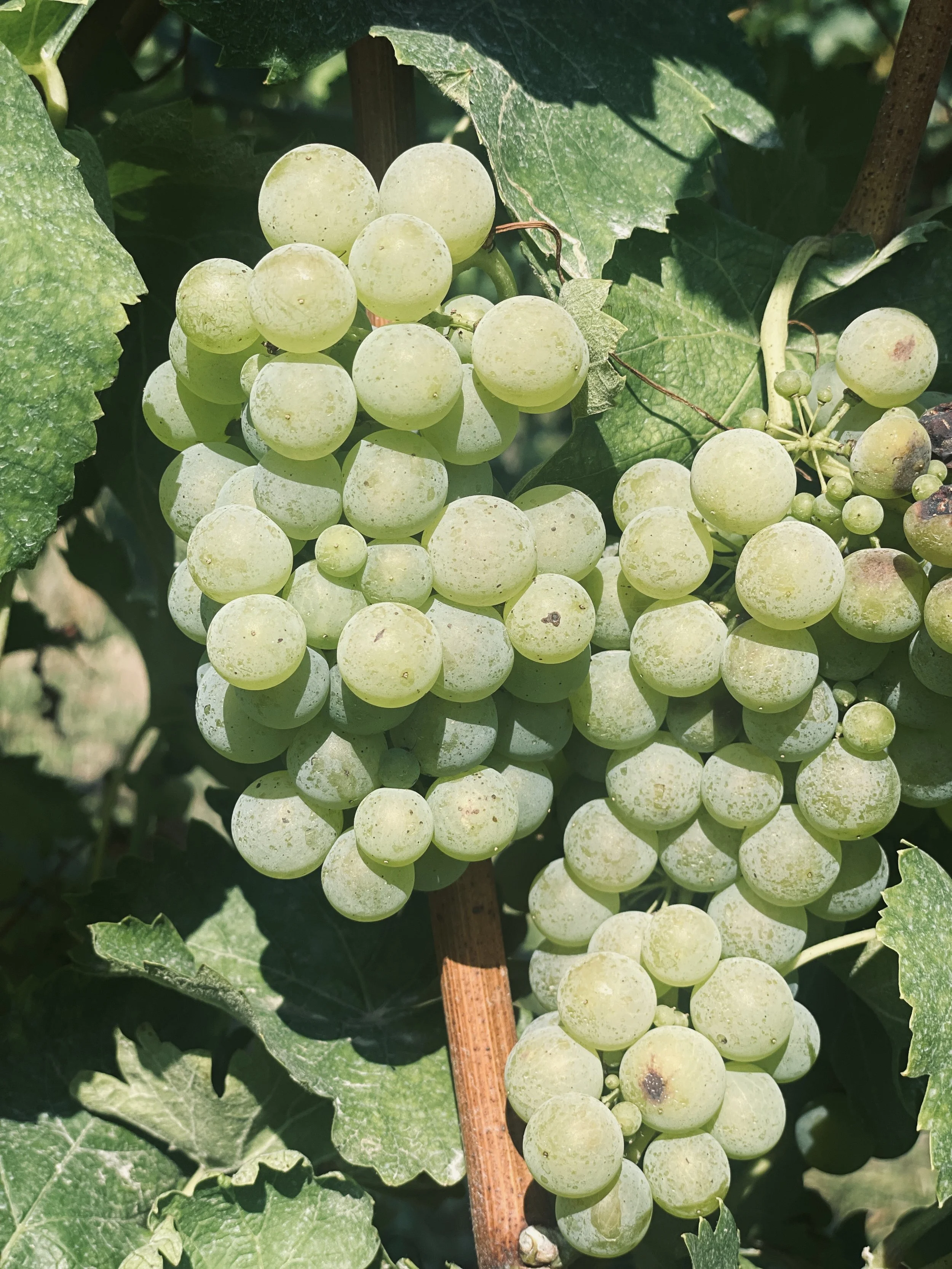
Turbiana
The White Grape Behind Lugana
Elegant. Mineral. Remarkably age-worthy.
On the southern shores of Lake Garda, Turbiana has quietly earned a reputation as one of Italy's most refined white grapes. Grown almost exclusively in the Lugana DOC, it produces wines of freshness, elegance and surprising longevity - proof that some of Italy's greatest discoveries are still waiting to be uncorked.
Forget Everything You Think You Know About Italian White Wine
Italian white wines are often thought of as light, simple and made to be enjoyed young.
Turbiana tells a different story.
With its naturally vibrant acidity, mineral character and remarkable ability to age, Turbiana produces wines that evolve beautifully over time. Fresh citrus and white flowers gradually develop into notes of almond, honey and delicate herbs, revealing layer upon layer of complexity.
It is a grape that rewards both patience and curiosity.
What is Turbiana?
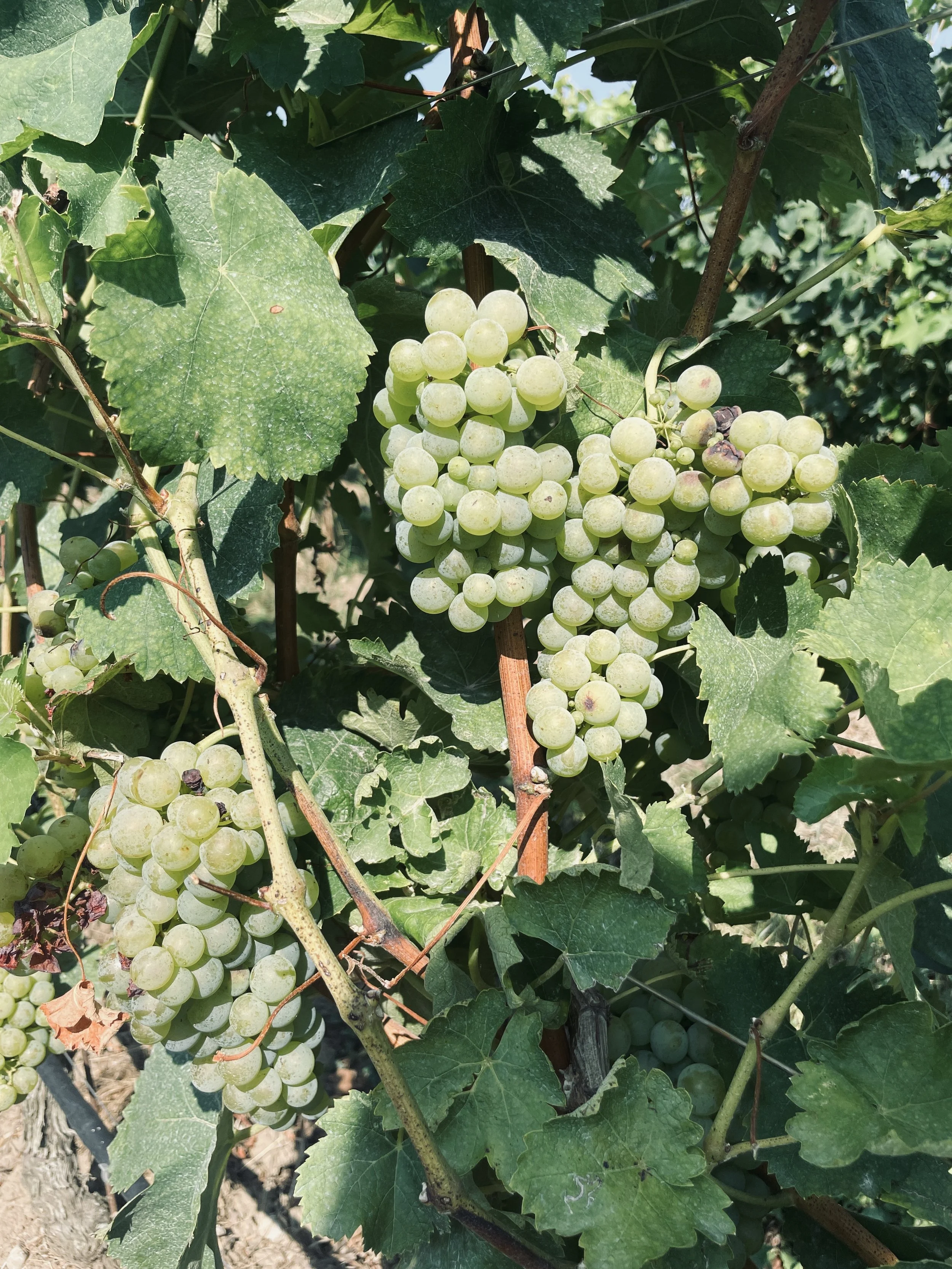
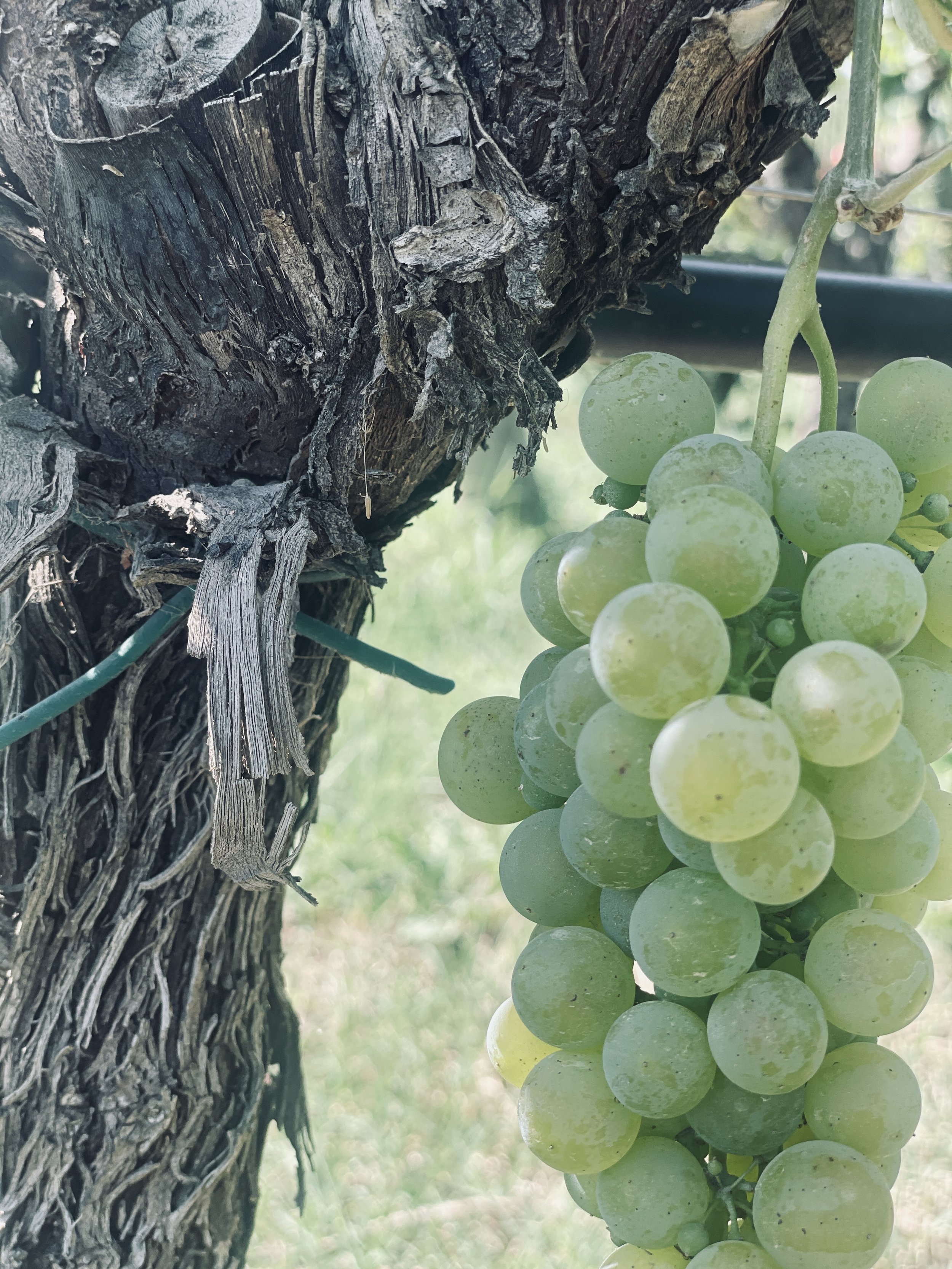
Turbiana is an indigenous white grape grown primarily around the southern shores of Lake Garda in Northern Italy. It is the only grape permitted in Lugana DOC, where the unique combination of ancient clay soils and the moderating influence of the lake creates wines celebrated for their elegance, freshness and longevity.
Although produced in a relatively small area, Turbiana has become one of Italy's most respected white varieties, admired for its ability to express both place and vintage with remarkable precision.
What Makes Turbiana So Special?
Remarkably Elegant
Turbiana combines vibrant freshness with a silky texture and refined structure, creating wines that feel both delicate and substantial.
Shaped by Lake Garda
Lake Garda acts as a natural climate regulator, cooling the vineyards during summer and protecting them through winter. The long growing season allows the grapes to ripen slowly while preserving freshness and aromatic complexity.
Built to Age
Unlike many white wines, exceptional Turbiana continues to develop for years. With time, bright citrus evolves into layers of almond, herbs, honey and mineral complexity.
A Grape with Ancient Roots
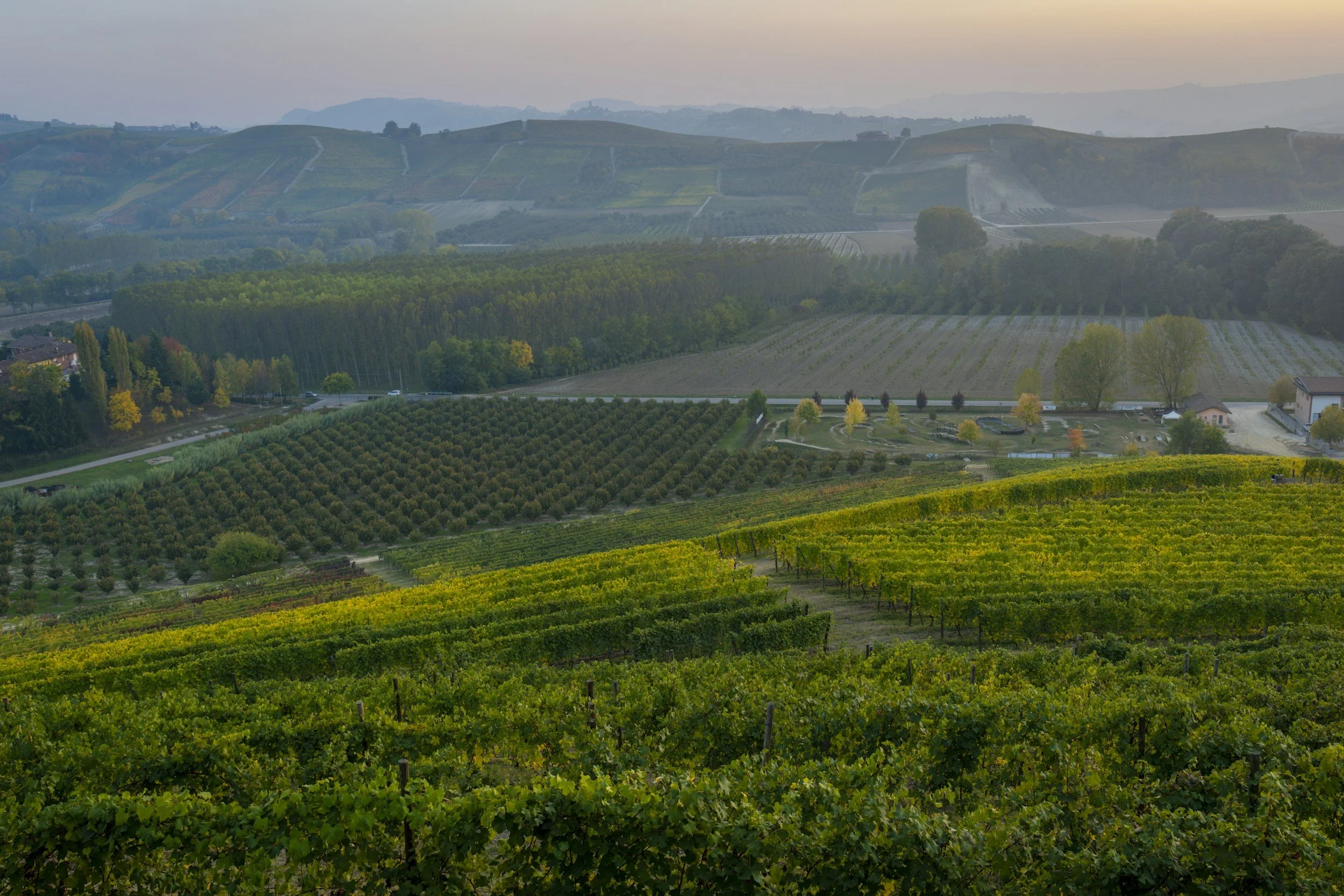
Viticulture around Lake Garda dates back to Roman times, and Turbiana has flourished in the Lugana area for centuries.
The region's distinctive clay soils—formed by ancient glaciers thousands of years ago—retain moisture during warm summers while encouraging the vines to develop deep roots. Together with the lake's unique microclimate, these soils give Turbiana its unmistakable freshness, structure and elegant minerality.
Today, generations of family winemakers continue to refine this remarkable grape, creating wines that remain deeply connected to their place of origin.
DID YOU KNOW
One of Lugana's most celebrated vineyards is named after a Roman woman.
During the seventeenth century, a marble sarcophagus dedicated to the Roman matron Orestilla was discovered in one of Montonale's vineyards. The vineyard has carried her name ever since.
Today, Orestilla remains Montonale's flagship vineyard, producing a limited-release Lugana that beautifully expresses the elegance, depth and longevity of Turbiana.
Why Porcalorca Chose Turbiana
Some wines impress immediately.
Others reveal themselves slowly.
Turbiana belongs to the second category.
Its quiet elegance, remarkable texture and ability to evolve in the glass capture everything we love about Italian wine. It doesn't rely on power or intensity to make an impression. Instead, it invites you to slow down, pay attention and discover new layers with every sip.
For us, Turbiana perfectly represents what Porcalorca is all about: authentic wines that tell the story of their place, their people and their traditions.
Orestilla - The Soul of Turbiana
Some vineyards produce exceptional wines.
Others become legends.
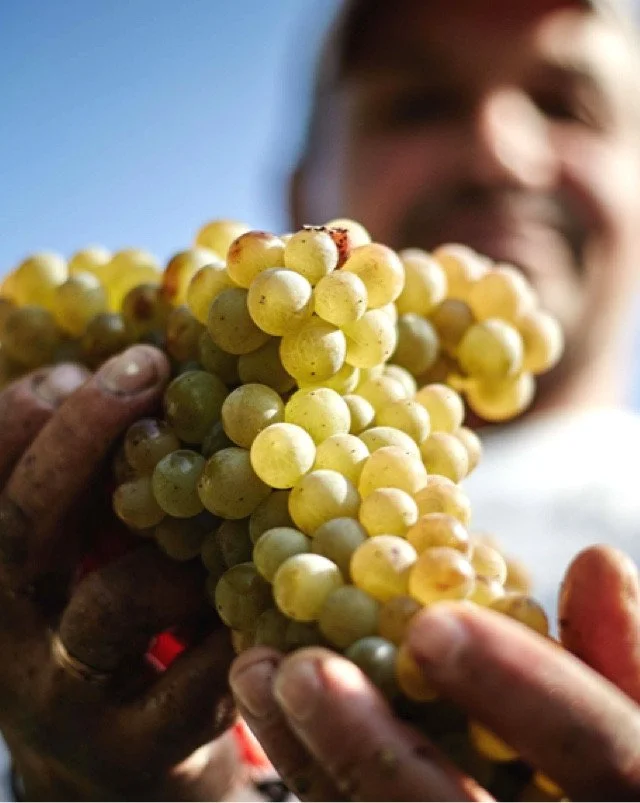
Orestilla takes its name from the historic vineyard where the marble sarcophagus of the Roman matron Orestilla was discovered in the seventeenth century. Centuries later, the vineyard continues to produce one of Lugana's most celebrated wines.
Made only in limited quantities, Orestilla reflects everything that makes Turbiana extraordinary. Rich and layered while remaining beautifully balanced, it offers remarkable texture, vibrant freshness and exceptional ageing potential.
It is a white wine that often surprises even experienced wine lovers. Not because it is powerful, but because of its depth and presence on the palate. Silky, generous and wonderfully complex, it has a structure that invites comparison with some of the world's finest white wines.
In 2017, Orestilla was named the World's Best Single-Varietal White Wine by Decanter -
a recognition that reflects both the extraordinary character of the vineyard and Montonale's unwavering commitment to expressing its terroir.
Discover Turbiana at Porcalorca
Whether you're discovering Lugana for the first time or searching for one of Italy's finest white wines, our collection celebrates the remarkable character of Turbiana—from vibrant everyday expressions to the iconic Orestilla.
Meet the Region & Winemaker
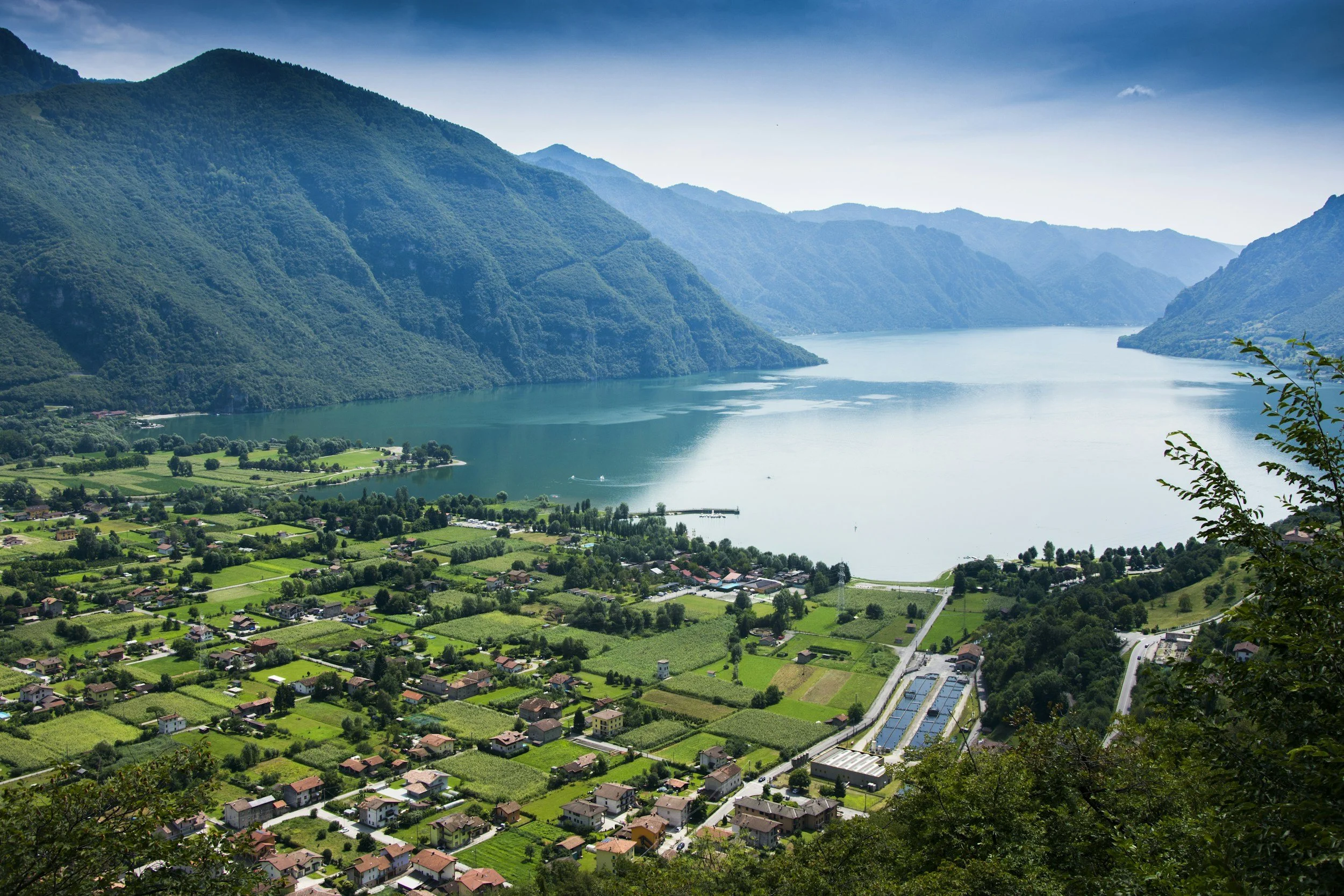
Lombardy
From the crystal-clear waters of Lake Garda to the rolling vineyards of Lugana and Franciacorta, Lombardy is home to some of Italy's most elegant wines. Discover a region where history, craftsmanship and remarkable terroir come together to create wines of exceptional character.
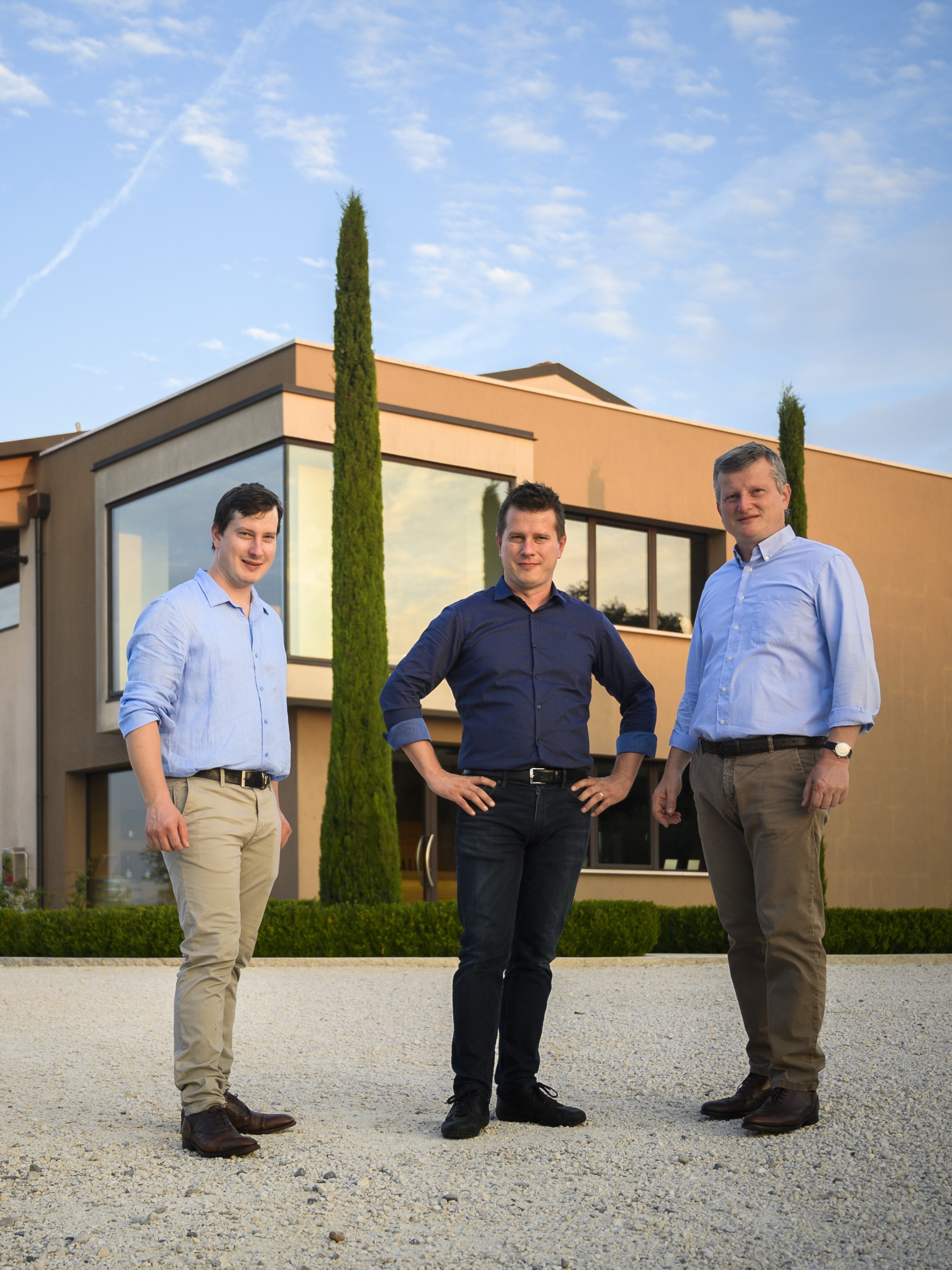
Montonale
For generations, the Girelli family has dedicated itself to expressing the unique character of Lugana through Turbiana. Rooted in the clay-rich soils south of Lake Garda, Montonale crafts elegant, age-worthy wines that beautifully capture the spirit of their land.
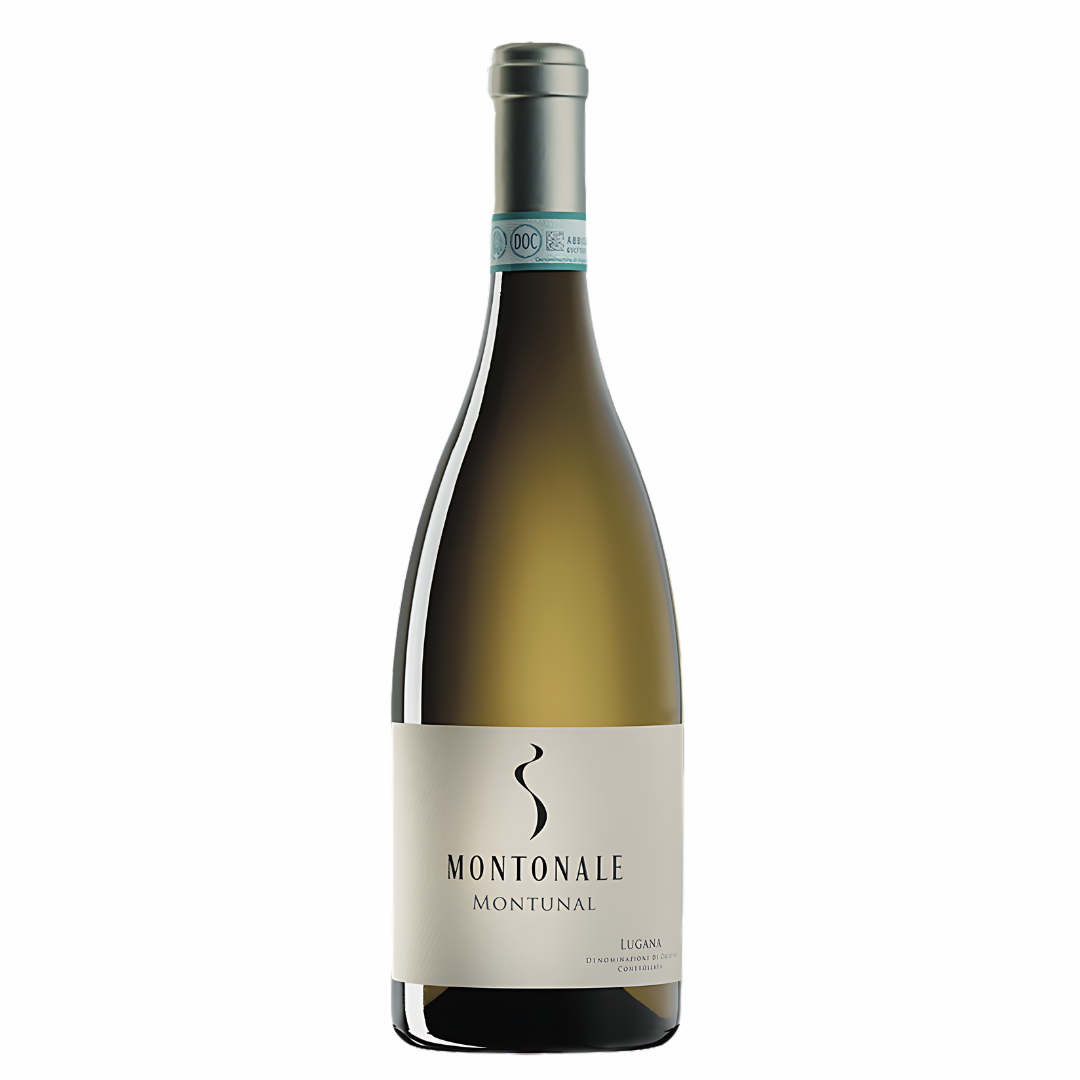
LOMBARDIA
Montunal was born from the selection of the best bunches of Turbiana and takes its name from the village that houses the winery and vineyards, Montonale, Montunal in the local dialect. It represents the authentic expression of the native grape variety, which here reveals all its personality.
Grape variety
100% Turbiana.
Vineyards of origin
We select the ideal grapes for this wine from all the company's vineyards in the village of Montonale, exposed to excellent and constant ventilation that allows the perfect ripening of the bunches.
Soil: clayey, calcareous and rich in minerals.
Training system: espalier with Guyot pruning, 5/6 buds per plant.
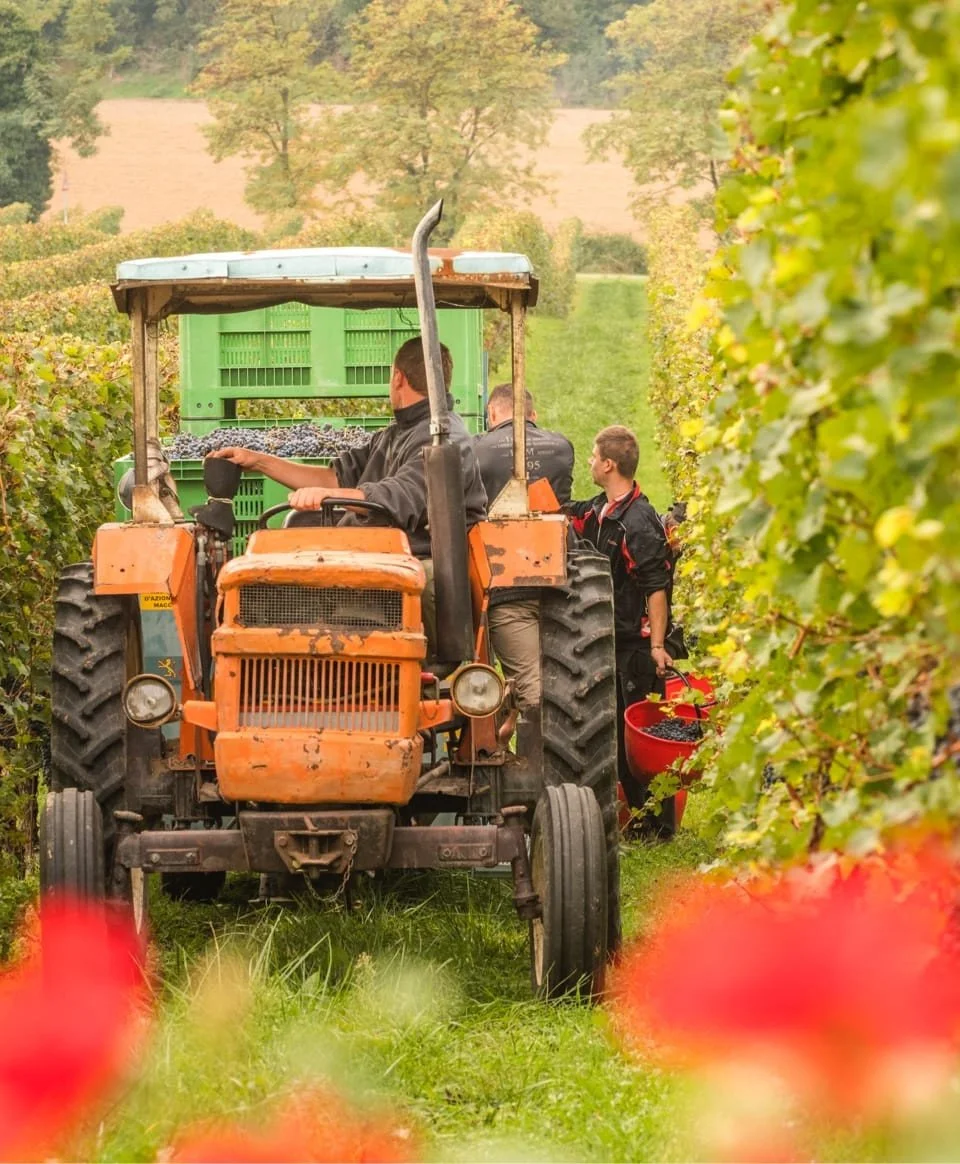
Season in the field: late start, but regular budding and abundant flowering. The abundant spring rains have sometimes weakened the fruit set; however, this availability of water has allowed a good development of the vines and counteracted the progressive water shortage in the summer months. The manual stripping in the bunch strip has preserved the health of the bunches. Despite the high temperatures at the end of summer, the harvest began 2 weeks later than in 2017. The harvest, carried out by hand in crates, began at the end of September and ended in mid-October.
Average yield: 100 q/ha.
Vinification
The bunches are selected and cooled before pressing, in order to preserve the aromatic precursors as much as possible. A soft pressing then takes place in the absence of oxygen, to avoid oxidation of the noble components of the grapes. We select only the fraction of the free-run must, obtained at very low and delicate pressures; We let it clear by natural decantation and ferment for about 10 days in stainless steel tanks at a controlled temperature. The wine matures for at least 6 months on the noble lees with constant bâtonnage (resuspension of the fine lees). This is followed by a short aging in the bottle.
Tasting notes
Intense and brilliant straw yellow color. The nose expresses floral and fruity notes in which aromas of white peach and lemon peel dominate, with balsamic hints of thyme and sage and intriguing mineral hints of damp stone typical of the most personal Lugana. In the mouth it reveals a perfect balance between freshness and structure, with a pleasant mineral flavor that gives depth and persistence.
Pairings
Perfect as an aperitif, it goes well with baked, grilled or boiled fish dishes, in particular preparations based on lake fish such as trout, perch and whitefish. Try it with herring alla gardesana, a traditional Garda lake local dish.
Alcohol content and serving temperature
Alcohol content: 13.5 % Vol.
Serving Temperature: 10 - 12 °C.
End
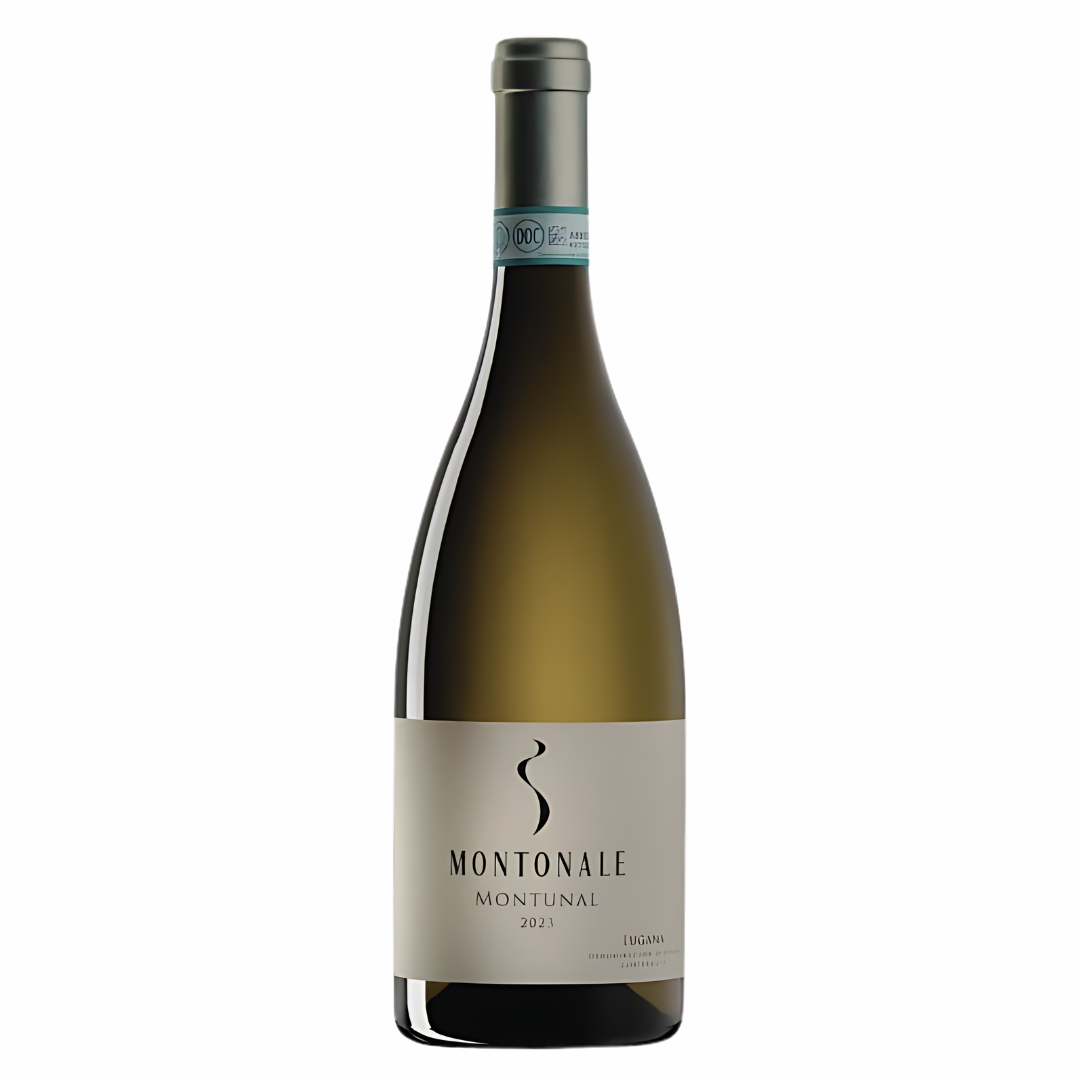
LOMBARDIA
Montunal was born from the selection of the best bunches of Turbiana and takes its name from the village that houses the winery and vineyards, Montonale, Montunal in the local dialect. It represents the authentic expression of the native grape variety, which here reveals all its personality.
Grape variety
100% Turbiana.
Vineyards of origin
We select the ideal grapes for this wine from all the company's vineyards in the village of Montonale, exposed to excellent and constant ventilation that allows the perfect ripening of the bunches.
Soil: clayey, calcareous and rich in minerals.
Training system: espalier with Guyot pruning, 5/6 buds per plant.
Season in the field: budding began with a slight delay due to below-average temperatures in April and May.
Despite the hailstorm of 25 April, which reduced the load of shoots on the plant, the season continued regularly until the further hail phenomenon of 24 July, which caused a further quantitative loss. The summer did not show any heat peaks, and the bunches ripened optimally until the harvest, which began in mid-September and ended in the very first days of October.
Average yield: 100 q/ha.
Vinification
The bunches are selected and cooled before pressing, to preserve the aromatic precursors as much as possible. A soft pressing then takes place in the absence of oxygen, to avoid oxidation of the noble components of the grapes. We select only the fraction of the free-run must, obtained at very low and delicate pressures; We let it clear by natural decantation and ferment, using indigenous yeasts, for about 10 days in stainless steel tanks at a controlled temperature. The wine matures for at least 6 months on the noble lees with constant bâtonnage (suspension of the fine lees). This is followed by a short aging in the bottle.
Tasting notes
Brilliant colour, pale straw yellow with greenish reflections.The nose expresses floral and fruity notes in which aromas of white-fleshed fruit, citrus fruits, a hint of tropical fruit and broom dominate, with balsamic notes of thyme and intriguing mineral hints of damp stone. In the mouth it reveals a perfect balance between freshness and structure, with a pleasant mineral flavour that gives depth and persistence to the finish.
Pairings
Perfect as an aperitif, it goes well with baked, grilled or boiled fish dishes, in particular preparations based on lake fish such as trout, perch and whitefish. Try it with herring alla gardesana, a traditional Garda Lake local dish.
Alcohol content and serving temperature
Alcohol content: 13.5 % Vol.
Serving Temperature: 10 - 12 °C.
End
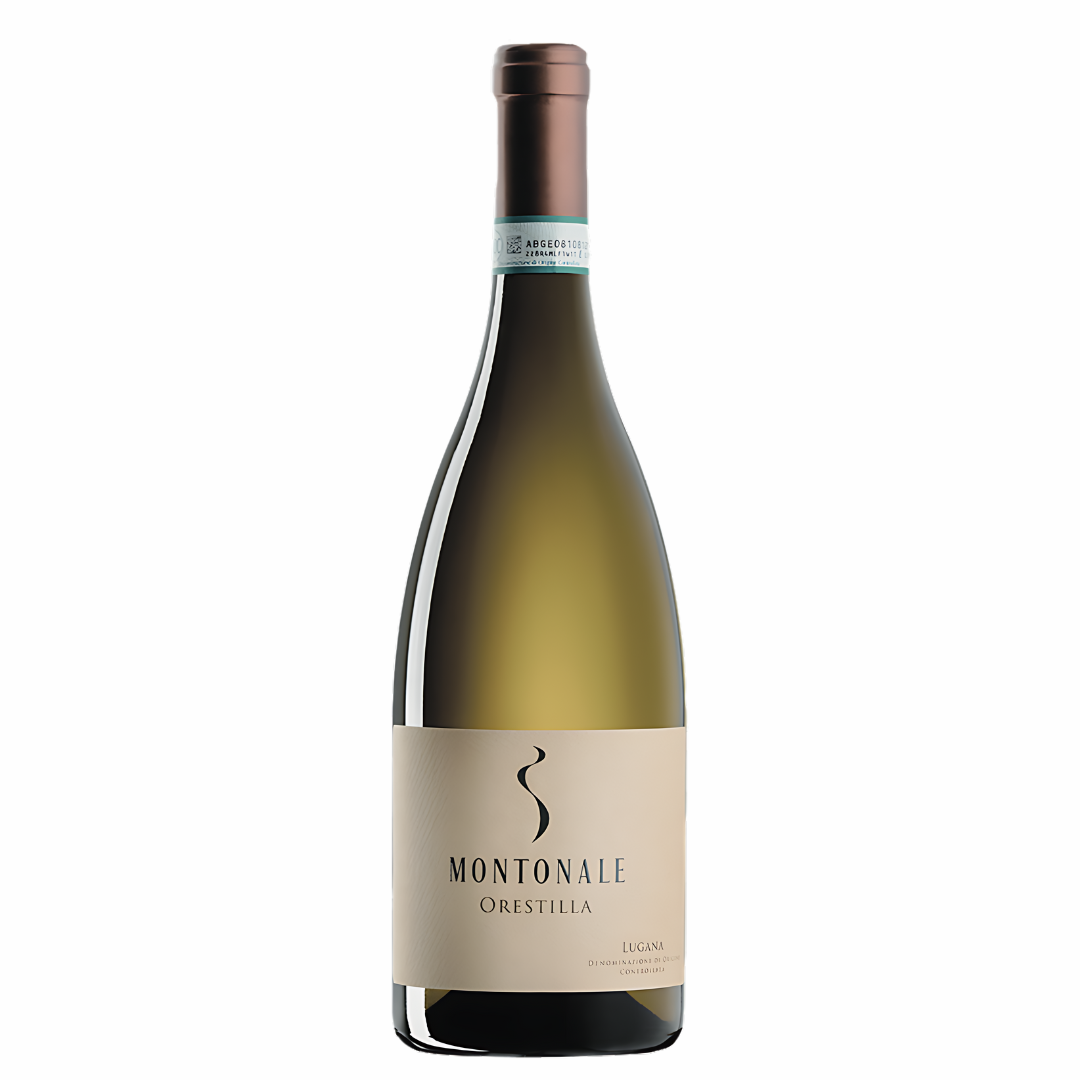
LOMBARDIA
A limited and exclusive production of an exceptional and surprising wine that can be compared to the finest French whites. Lugana Orestilla comes from the grapes of the vineyard of the same name, so called because in the seventeenth century the precious marble ark dedicated to the Roman matron Orestilla was found there. Thanks to the particular mixture of the soil that houses the vineyard, the grapes give rise to a rich, ample Lugana with great longevity.
Grape variety
100% Turbiana.
Vineyards of origin
Orestilla, 2 hectares in the village of Montonale, with a fortunate southern exposure and constant ventilation that allows the perfect ripening of the bunches.
Soil: clayey-tenacious, calcareous and rich in minerals.
Training system: Guyot, 5/6 buds per plant.
Season in the field: the cool and late spring led to a regular but delayed budding, which lengthened the ripening time of the bunches. The rest of the summer proved to be climatically favorable, without the dreaded heat peaks. The harvest, carried out by hand in crates in two steps, began on September 20th and ended on October 20th. Thanks to the achievement of perfect ripeness and an optimal physiological balance of the berries, we can say with certainty that the 2021 vintage is to be recorded as one of the best in the last decade.
Average yield: 90 q/ha.
Vinification
The bunches are selected and cooled before pressing, to preserve the aromatic precursors as much as possible. A soft pressing then takes place in the absence of oxygen, to avoid oxidation of the noble components of the grapes; only the fraction of the free-run must, obtained at very delicate pressures, is selected. The must is clarified by natural decantation, and ferments for about 10 days in stainless steel tanks at a controlled temperature. The wine matures 8 months on the noble lees with constant bâtonnage and continues to age in the bottle for at least 10 months.
Tasting notes
Straw yellow color with strong golden reflections. The nose captivates with its notes of sweet citrus, pineapple and yellow peach, which are flanked by intense sensations of aromatic herbs and wet stone minerals. All this is confirmed on the palate: the sip is juicy and rich in acidic freshness, the notes of pineapple and thyme refer to what is perceived on the nose, the marked mineral flavor accompanies the long and complex finish.
Pairings
Perfect with fish soups, shellfish and stewed and grilled fish preparations. Try it with the typical aolette of Garda in carpione.
Alcohol content and serving temperature
Alcohol content: 13.5% Vol.
Serving Temperature: 10 - 12 °C (we also recommend to tasting Orestilla at 14 - 16°C to observe its evolution in the glass).
End
FAQs
-
Turbiana is an indigenous white grape grown primarily in the Lugana DOC on the southern shores of Lake Garda in Northern Italy. It is celebrated for producing elegant white wines with vibrant acidity, mineral character and impressive ageing potential.
-
Not quite.
Turbiana is the grape variety.
Lugana is the wine region (DOC) where Turbiana is grown. Every Lugana DOC wine is made from Turbiana, but Turbiana is the grape behind the wine.
-
Young Turbiana typically shows aromas of citrus, white flowers, green apple and peach, supported by vibrant acidity and delicate minerality.
With age, the wines develop greater complexity, revealing notes of almond, honey, herbs and flint while maintaining their freshness.
-
Yes.
Turbiana is vinified as a dry white wine, known for its balance of freshness, elegance and texture rather than sweetness.
-
Absolutely.
One of Turbiana's defining characteristics is its ability to age gracefully. The finest examples continue to evolve for many years, gaining complexity while retaining remarkable freshness.
-
Turbiana is wonderfully versatile at the table.
It pairs beautifully with seafood, grilled fish, shellfish, risotto, fresh pasta, roasted chicken, creamy cheeses and vegetable-based dishes. Its freshness also makes it an excellent aperitif.
-
Lake Garda creates a unique microclimate that moderates temperatures throughout the year.
Warm days allow the grapes to ripen fully, while cooler evenings help preserve their natural acidity and aromatic freshness. Together with the region's ancient clay soils, this gives Turbiana its distinctive elegance and balance.
-
Orestilla is Montonale's flagship Lugana, produced from a single historic vineyard named after the Roman matron Orestilla.
Produced only in limited quantities, it showcases the extraordinary ageing potential and elegance of Turbiana. In 2017, Orestilla was recognised by Decanter as the World's Best Single-Varietal White Wine, highlighting both the quality of the vineyard and Montonale's craftsmanship.
-
We believe some of Italy's most remarkable wines are still relatively undiscovered outside their home regions.
Turbiana perfectly reflects our philosophy: authentic wines from passionate family producers that express their region, history and traditions. It is a grape that consistently surprises people with its elegance, complexity and ability to age beautifully.
-
Our collection focuses on Turbiana from Montonale, one of Lugana's leading family estates. From elegant everyday wines to the iconic Orestilla, every bottle reflects the unique terroir of Lake Garda and the remarkable character of this extraordinary grape.
Go Deeper Into Turbiana
There’s more to this grape than one page can hold. From its ancient roots to its modern rediscovery, here’s where the story continues.