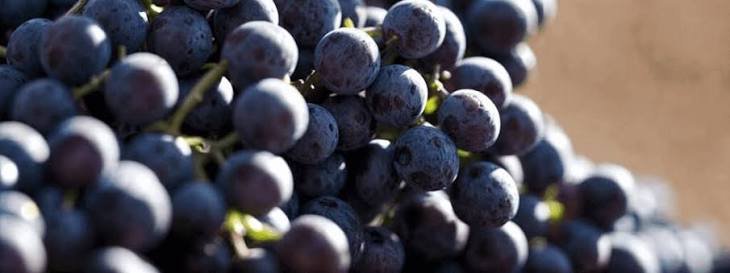
Nero di Troia
Puglia's Hidden Red Grape
Forgotten. Rediscovered. Unforgettable.
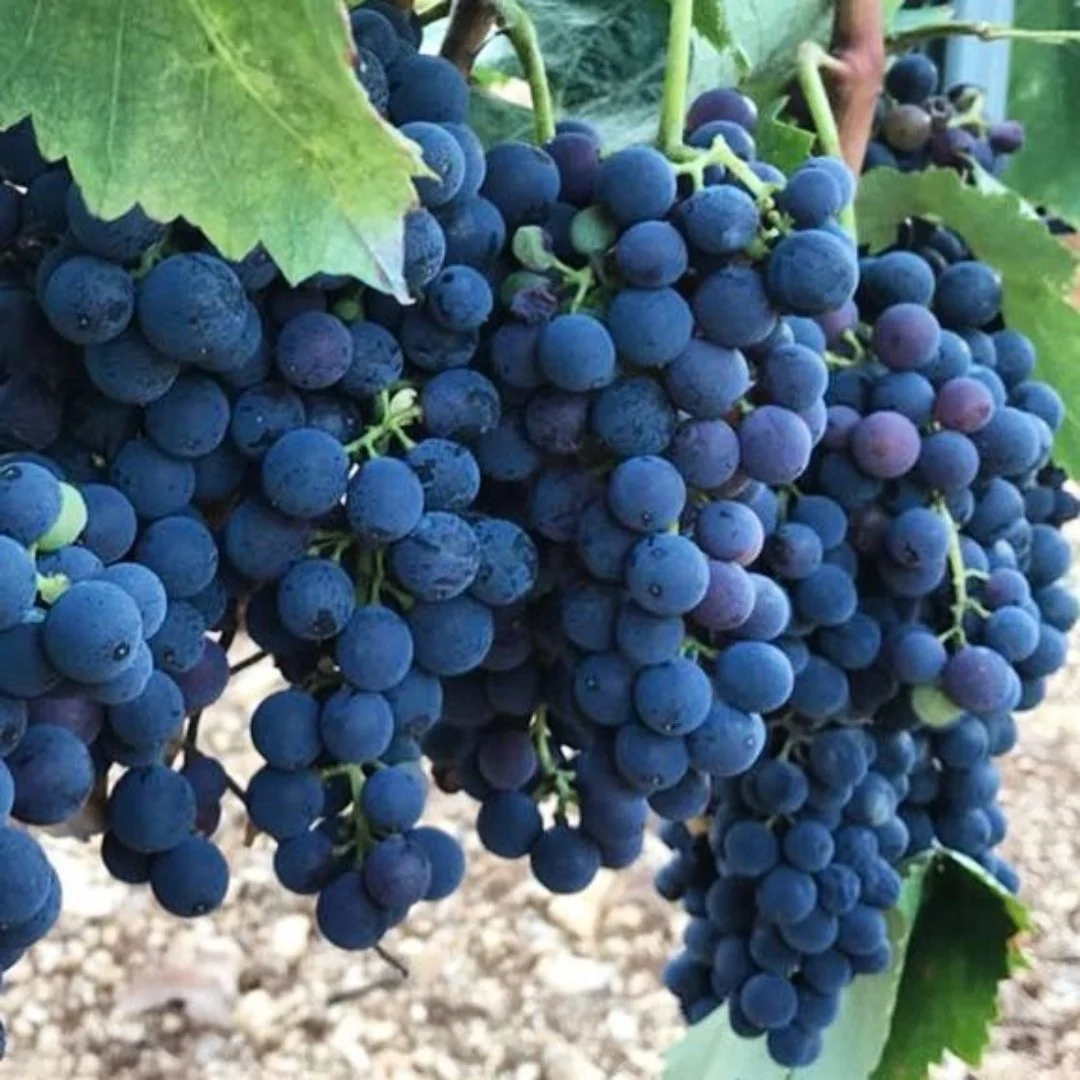
Nero di Troia is one of southern Italy's oldest indigenous red grape varieties. Native to northern Puglia, it produces beautifully structured wines with floral aromas, dark fruit and remarkable freshness.
Once overlooked and used mainly to strengthen other wines, Nero di Troia has emerged as one of Italy's most exciting rediscoveries—proving that some grapes simply need the right people to reveal their true character.
Forget Everything You Think You Know About Southern Italian Red Wines
Southern Italy is often associated with bold, sun-drenched wines.
Nero di Troia tells a different story.
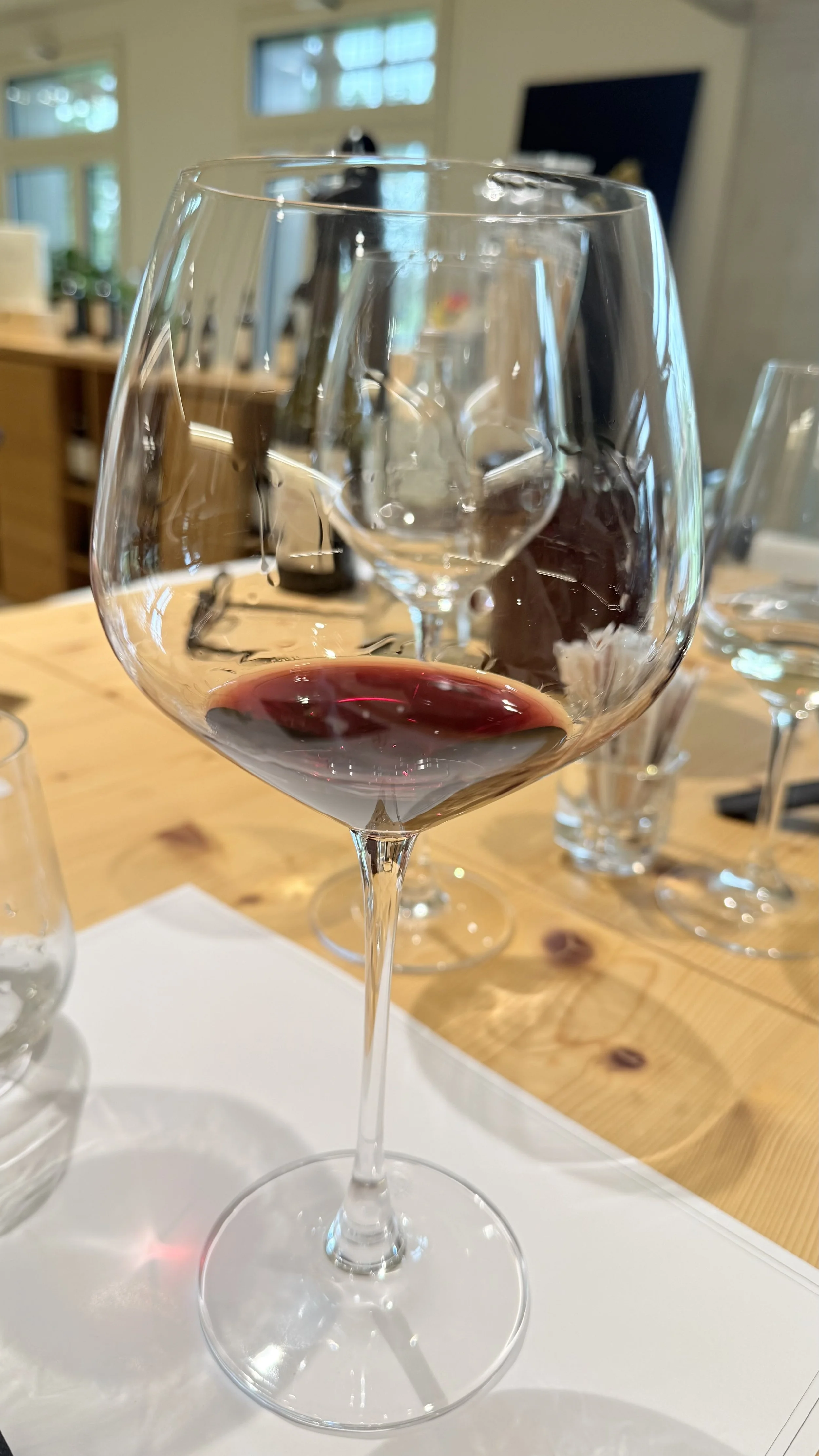
Behind its deep colour lies remarkable elegance, lifted floral aromas and vibrant freshness. It is a grape that rewards patience - not through power alone, but through balance.
Sometimes the most remarkable wines are the ones that quietly waited to be discovered.
What is Nero di Troia?
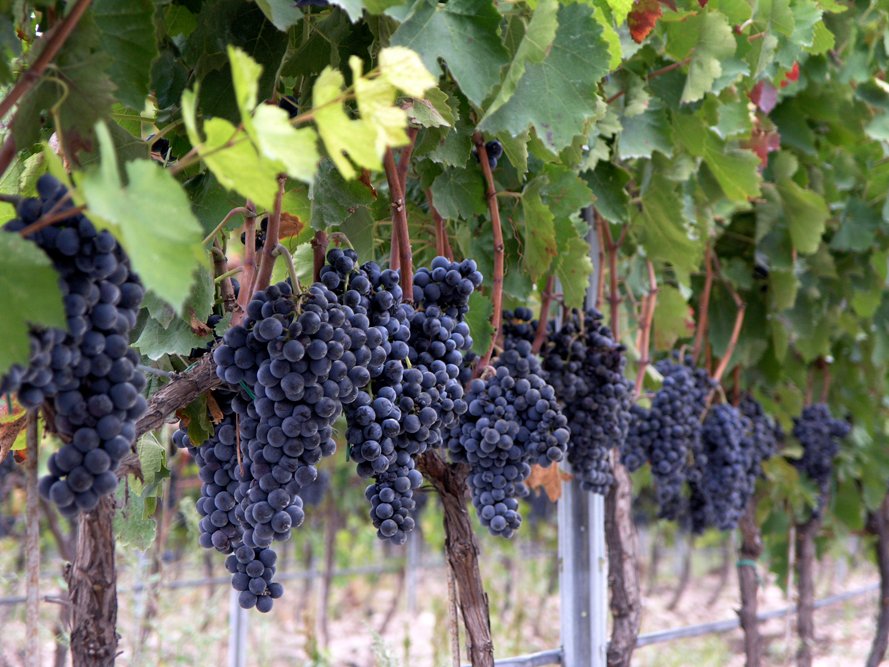
Nero di Troia, also known as Uva di Troia, is an ancient indigenous red grape variety grown primarily in northern Puglia.
Although it has been cultivated for centuries, the grape spent much of its history playing a supporting role in blends. Today, dedicated winemakers have rediscovered its remarkable potential, producing elegant wines that express both the richness and freshness of the Puglian landscape.
What Makes Nero di Troia So Special?
One of Puglia's oldest native grapes
Nero di Troia has been part of Puglia's winemaking heritage for centuries and remains one of the region's most distinctive indigenous varieties.
A grape that rewards patience
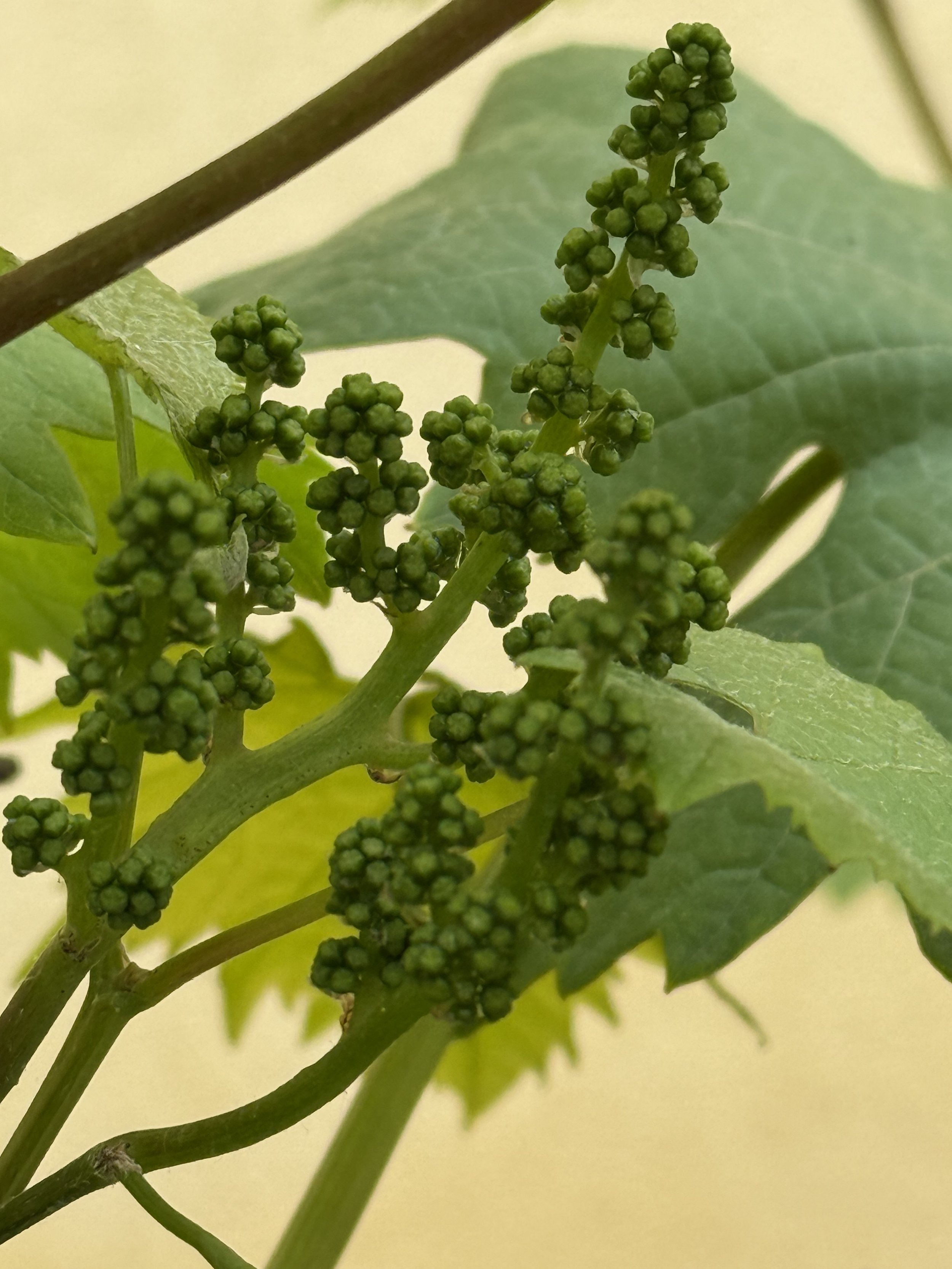
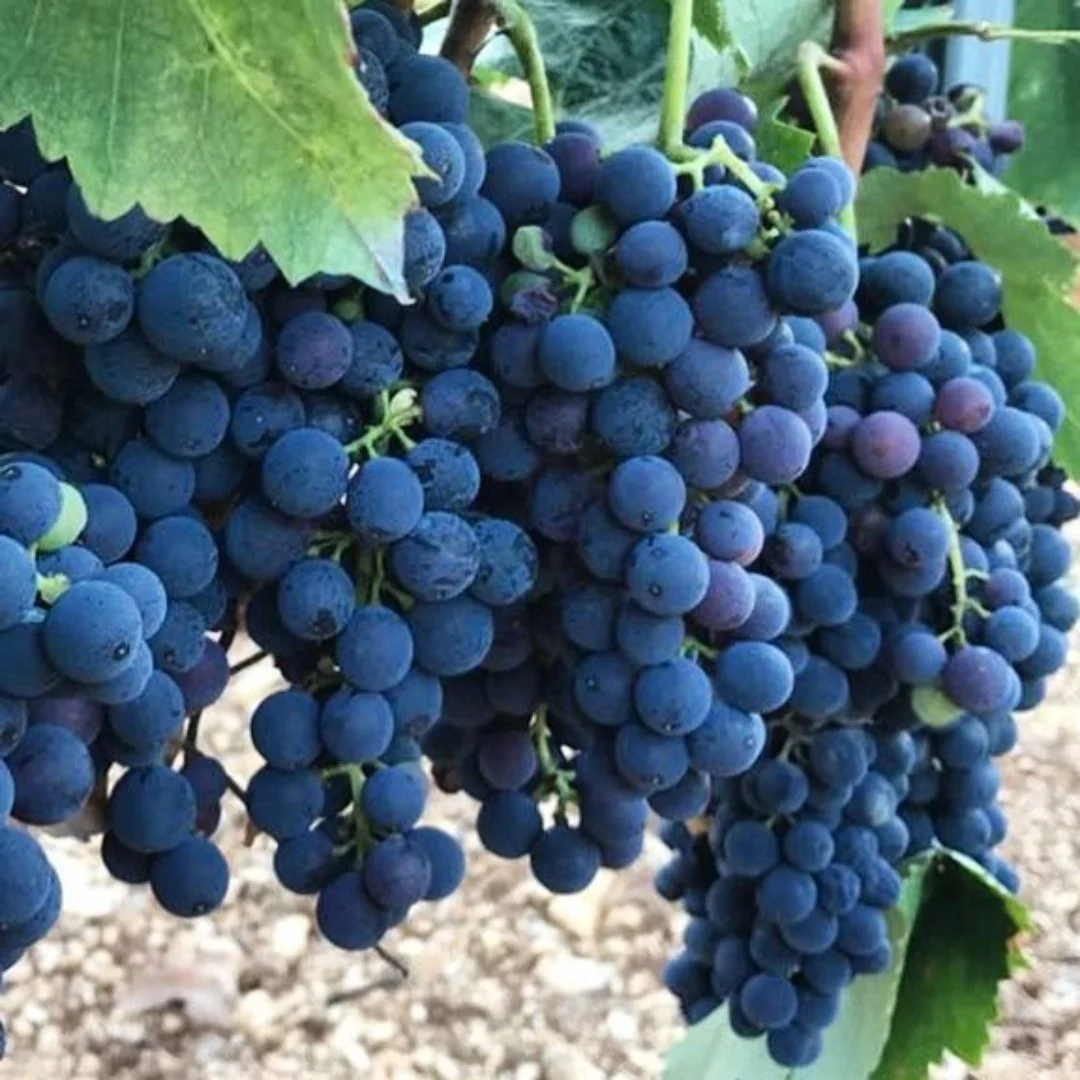
Its thick skins, tight bunches and naturally late ripening make Nero di Troia challenging to cultivate. But when grown with care, it produces wines of exceptional depth, elegance and ageing potential.
From supporting actor to leading role
For generations, Nero di Troia was valued mainly for adding colour and structure to blends. Today, careful vineyard management and thoughtful winemaking have revealed the grape's own remarkable personality.
Ancient Roots
The origins of Nero di Troia are surrounded by legend.
Some believe the grape arrived in Puglia with the Greek hero Diomedes after the fall of Troy. Others point to the medieval town of Troia in northern Puglia, where the variety has long been cultivated. While historians continue to debate its origins, what remains undisputed is Nero di Troia's deep connection to the landscape and culture of Puglia.
Today, it stands proudly among Italy's most distinctive indigenous grape varieties.
DID YOU KNOW
Nero di Troia spent centuries helping other wines shine.
For generations, winemakers valued Nero di Troia for the colour, structure and character it added to blends.
Only recently has it stepped into the spotlight as a remarkable wine in its own right.
Sometimes the best stories have simply been waiting to be told.
Style
Dry red
Body
Medium to full-bodied
Structure
Firm tannins • Fresh acidity
Aromas
Black cherry • Blackberry • Violet • Liquorice • Mediterranean herbs • Sweet spice
Ageing Potential
Excellent. Beautiful now, with the ability to evolve gracefully for many years.
Perfect With
Grilled lamb • Beef • Slow-cooked dishes • Mature cheeses • Mediterranean cuisine
Nero di Troia at a Glance
Why Porcalorca Chose Nero di Troia
Some grapes spend centuries hiding in plain sight.
Nero di Troia is one of them.
For generations, it played a supporting role, helping other wines shine. Today, it finally receives the recognition it deserves - revealing elegance, freshness and complexity that few people expect from southern Italy.
That's exactly why we chose it for Porcalorca.
Meet the Region & Winemakers
Puglia
Where ancient vines meet the Adriatic
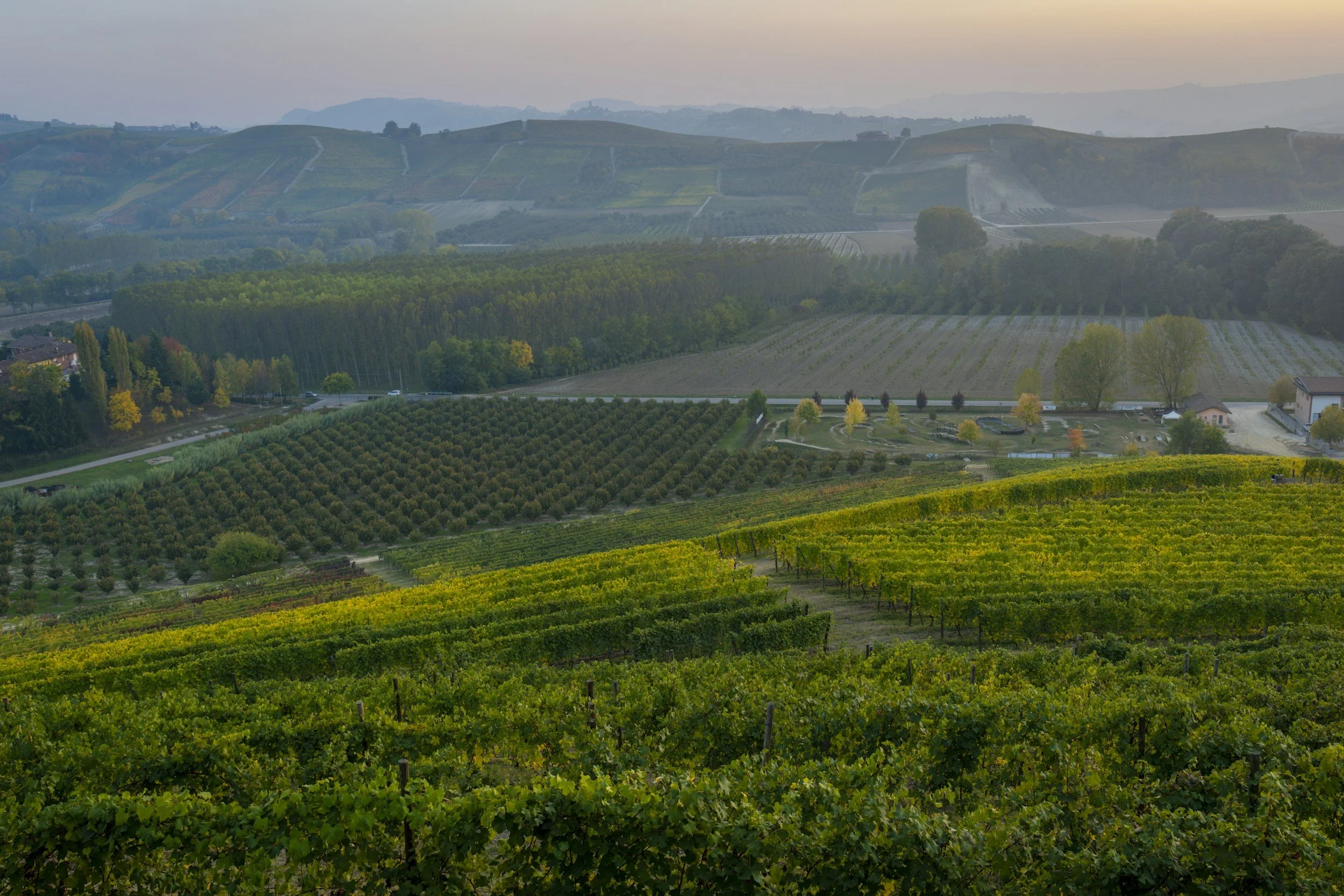
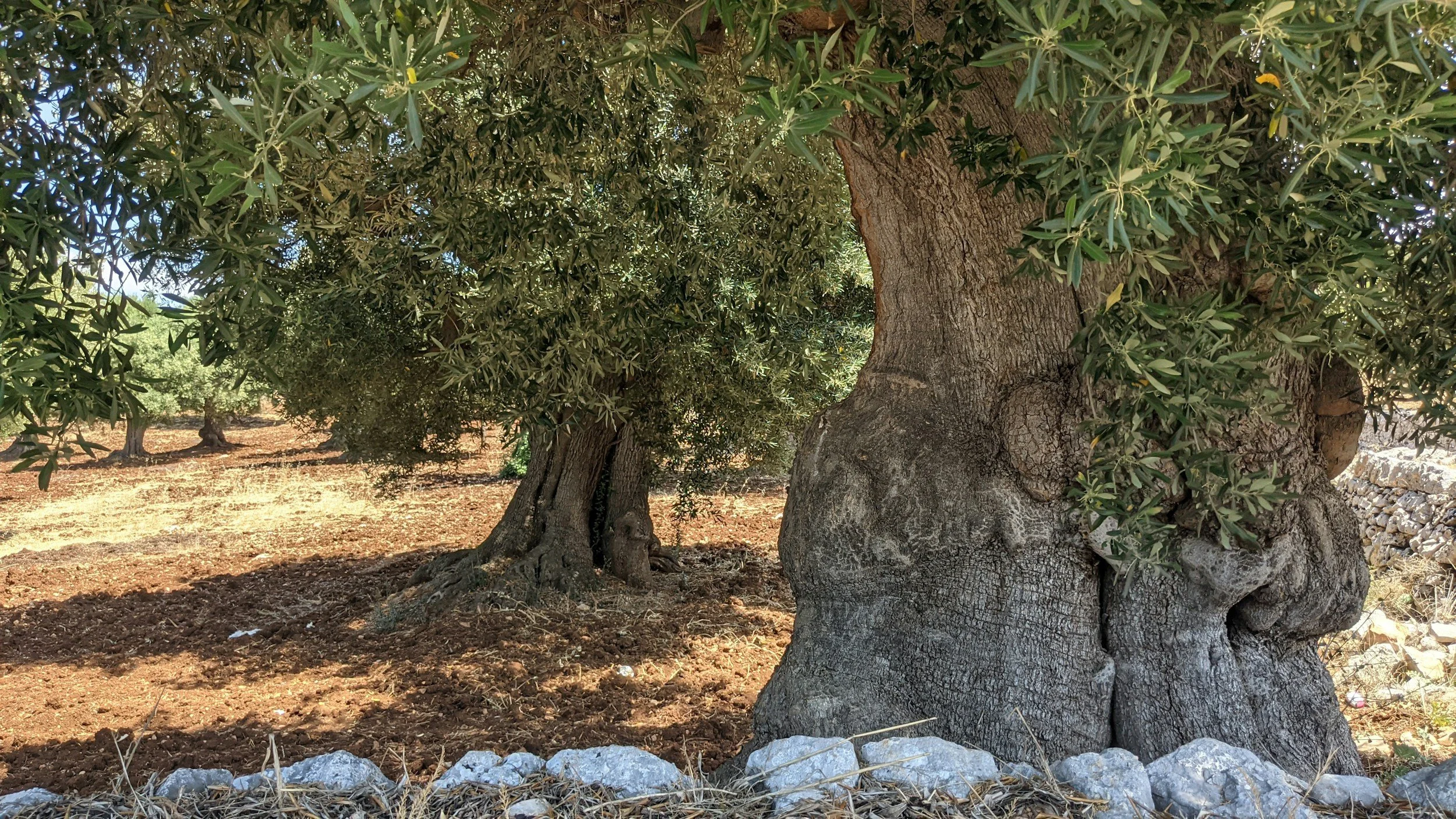
Stretching between the Adriatic and Ionian Seas, Puglia is one of Italy's oldest wine regions. Its warm climate, limestone soils and coastal breezes produce wines with remarkable concentration while preserving freshness and balance.
In the hills of northern Puglia, Nero di Troia has found its natural home for centuries.
Madri Leone
Giving a hidden grape the spotlight
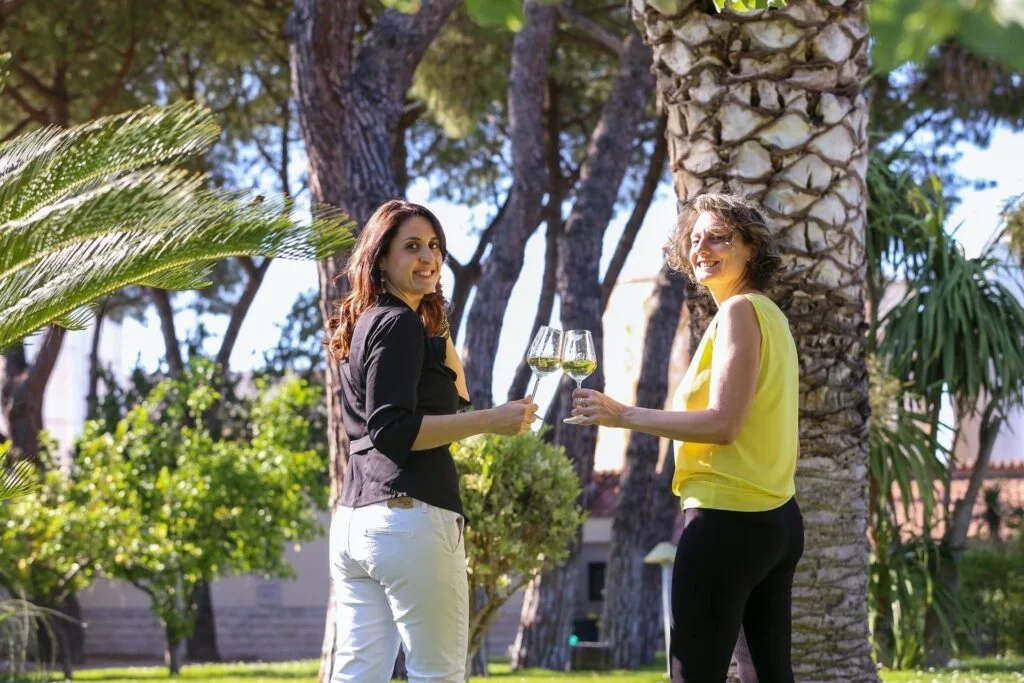
At Madri Leone, Nero di Troia is more than an indigenous variety—it's a symbol of Puglia's identity. By allowing the grape to shine on its own rather than as part of a blend, the family reveals its true character: elegant, structured and unmistakably connected to the land.
Fermented in stainless steel and aged without oak, their Nero di Troia expresses purity of fruit, vibrant freshness and the quiet confidence of a grape that no longer needs to stand in anyone else's shadow.
Discover Our Nero di Troia Wine
Explore our Nero di Troia from Madri Leone and discover why one of Puglia's oldest indigenous grape varieties is finally receiving the recognition it deserves.
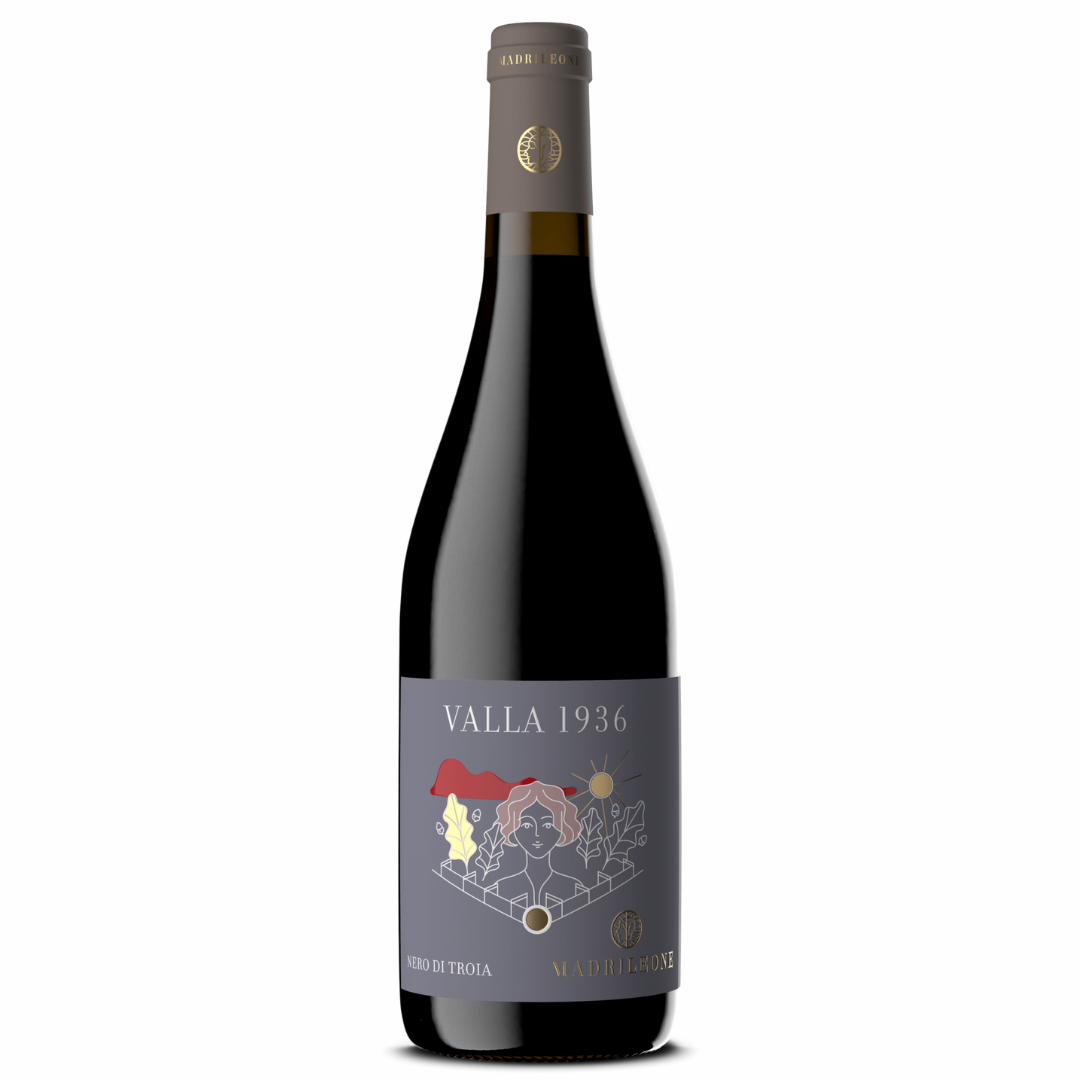
PUGLIA IGP NERO DI TROIA
Valla is associated with the figure of Ondina Valla, an Italian athlete who achieved numerous victories in sprints, hurdles, and long jump. At just 20 years old, during the 1936 Berlin Olympics, she broke the world record in the 80-meter hurdles, becoming the first Italian woman to win an Olympic gold medal.
Nero di Troia is a resilient grape variety, producing a wine that is both elegant and assertive. Its intrinsic characteristics perfectly embody the determination of a woman who, hurdle after hurdle, etched the image of the female athlete into history.
Grape variety
100% Nero di Troia
Vineyards of origin
Hilly vineyards of Contrada Sant’Antonio, nestled between the stunning salt pans of Margherita di Savoia, the Adriatic Sea, the Alta Murgia Natural Park, and the Tavoliere delle Puglie.
Soil: The sea breezes and the fertile clayey-calcareous soil allow the Nero di Troia grape variety to fully express its organoleptic profile.
Training system: Guyot-trained espalier.
Season in the field: The excellent climatic conditions ensured optimal phenological ripening, preserving aromatic precursors in the best possible way. This balance is beautifully reflected in the harmony between acidity and alcohol. The grapes, hand-harvested in crates, were picked at the end of September, beginning of October.
Average yield: 50 q/ha.
Vinification
Fermentation takes place in small stainless-steel vats, lasting approximately 15 days. Malolactic fermentation is also entirely carried out in stainless steel.
Aging: 6 months on fine lees with bâtonnage, followed by several months in the bottle, method that lets the grapes speak for themselves, enhancing their natural characteristics.
Organoleptic aspects
Impenetrable ruby red. On the nose, it opens with intense aromas of small black forest fruits, blueberry, wild cherry, and berries, with delicate hints of violet. On the palate, the fruity profile reappears, particularly cherry, with marked freshness. Elegant, with excellent drinkability, perfect for any meal.
Pairings
Valla pairs well with a variety of meat dishes, including flavorful or spiced preparations, as well as game. It is excellent with sweet-and-sour lamb and roasted stuffed guinea fowl. Pasta is also an excellent match, such as orecchiette with cardoncelli mushrooms and fava bean and chicory soup. It is stunning with Apulian cheeses.
Alcohol content and serving temperature
Alcohol content: 14% Vol.
Serving Temperature: 16 - 18 °C.
End
FAQs
-
Nero di Troia, also known as Uva di Troia, is an ancient indigenous red grape variety from northern Puglia. It produces elegant, structured wines with firm tannins, floral aromas and flavours of dark berries, liquorice and Mediterranean herbs.
-
Nero di Troia is grown primarily in northern Puglia, particularly around the provinces of Foggia and Barletta-Andria-Trani. It is also one of the principal grape varieties of the Castel del Monte DOCG appellation.
-
The exact origin of the name remains uncertain. Most historians believe it refers to the town of Troia in northern Puglia. Local legend, however, tells a different story, claiming the grape was brought to Italy by the Greek hero Diomedes after the fall of ancient Troy.
-
Nero di Troia is known for its balance of power and elegance. Expect aromas of black cherry, blackberry, violet, liquorice and dried herbs, supported by firm tannins, vibrant acidity and a long, refined finish.
-
For many years, Nero di Troia was valued for its deep colour and firm tannins, making it an ideal blending grape. As vineyard management and winemaking techniques improved, producers discovered that the variety could also produce beautifully balanced wines on its own.
-
Yes. Thanks to its natural tannins and structure, Nero di Troia develops beautifully over time. With bottle ageing, its youthful fruit evolves into more complex notes of spice, leather and dried fruit.
-
Nero di Troia pairs wonderfully with grilled meats, lamb, slow-cooked dishes, mature cheeses and traditional Mediterranean cuisine. Its freshness also makes it an excellent companion to tomato-based pasta dishes and hearty vegetable recipes.
-
Nero di Troia is typically medium to full-bodied. While it has impressive structure and depth, it is often more elegant and fresher than many people expect from a southern Italian red wine.
-
Although Nero di Troia has been cultivated in Puglia for centuries, it spent much of its history in the background as a blending grape. Today, dedicated producers like Madri Leone are revealing its true potential through expressive single-varietal wines, making it one of Italy's most exciting rediscoveries.
-
Because it perfectly reflects what we love about Italian wine: authenticity, resilience and the courage to let native grape varieties shine in their own right. Through Madri Leone, we're proud to share a wine that celebrates Puglia's rich heritage while showing just how elegant and expressive Nero di Troia can be.
Go Deeper Into Nero di Troia
There’s more to this grape than one page can hold. From its ancient roots to its modern rediscovery, here’s where the story continues.