
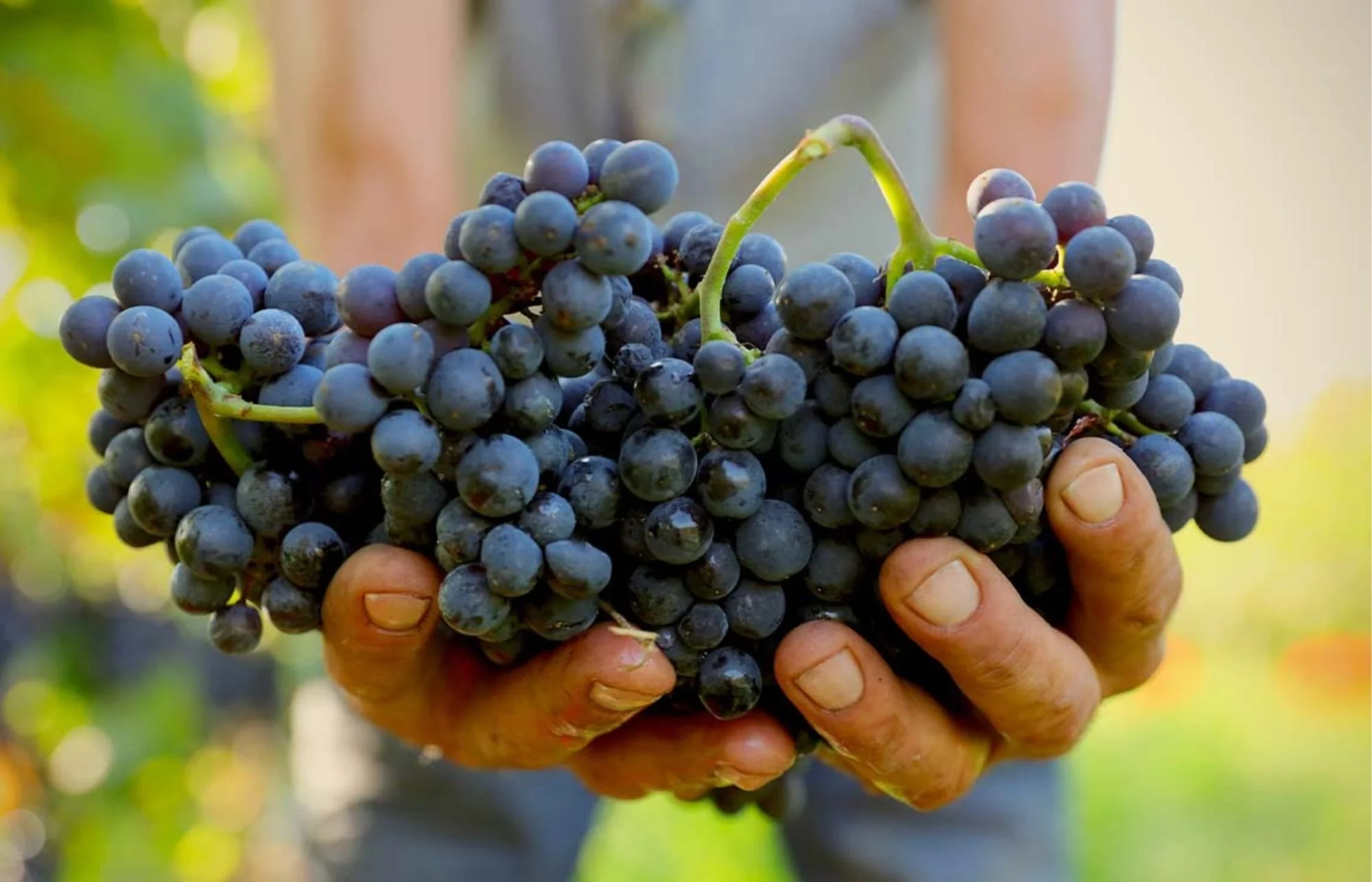
Nebbiolo
The Noble Grape Behind Barolo, Barbaresco & Roero
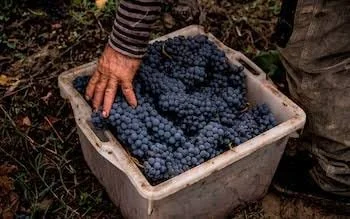
Nebbiolo is one of Italy's most celebrated grape varieties and the foundation of legendary wines such as Barolo, Barbaresco and Roero. Grown primarily in the rolling hills of Piemonte, it produces wines of extraordinary elegance, remarkable longevity and an unmistakable sense of place.
Although the grape remains the same, the landscape changes everything. Soil, altitude and tradition shape Nebbiolo into remarkably different wines—each with its own personality.
For those willing to slow down and discover it, Nebbiolo offers one of Italy's greatest wine experiences.
Forget Everything You Think You Know About Barolo
Many people believe Barolo is the grape.
It isn't.
Nebbiolo is the grape.
Barolo, Barbaresco, Roero and Langhe Nebbiolo are all expressions of the same variety, each shaped by its own terroir, history and winemaking tradition.
Understanding Nebbiolo is the key to understanding some of Italy's greatest wines.
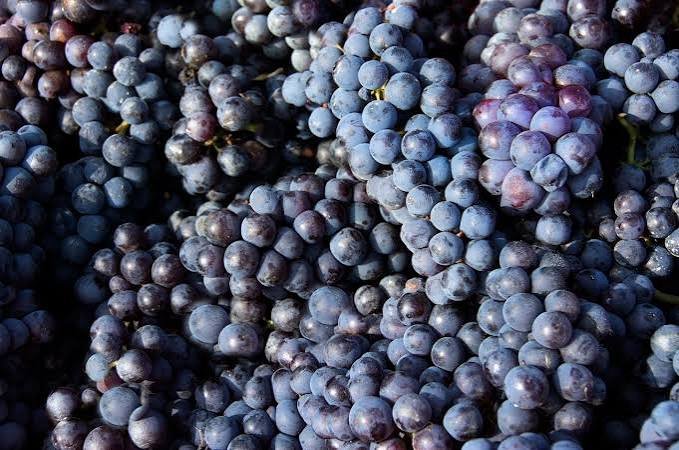
What is Nebbiolo?
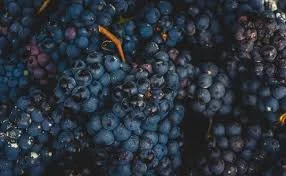
Nebbiolo is an indigenous red grape variety native to Piemonte in northwestern Italy. It is best known for producing Barolo and Barbaresco, but it also flourishes in Roero and Langhe, where it reveals entirely different expressions of the same remarkable grape.
Known for its naturally high acidity, firm tannins and exceptional ageing potential, Nebbiolo produces wines that continue to evolve beautifully for decades.
What Makes Nebbiolo So Special?
Elegance over power
Nebbiolo is often lighter in colour than people expect, yet delivers extraordinary depth, structure and complexity.
A wine that evolves
Young Nebbiolo can appear firm and restrained. With time it develops aromas of roses, dried cherries, truffle, tobacco and forest floor.
A true expression of terroir
Few grape varieties reflect their environment as clearly as Nebbiolo. Move just a few kilometres across Piemonte and the same grape tells a completely different story.
A Grape with Ancient Roots
Nebbiolo has been cultivated in Piemonte for centuries, with written references dating back to the thirteenth century.
The grape thrives in the region's limestone hills, cool autumn mornings and long growing season, allowing it to ripen slowly while preserving freshness and structure.
Although grown elsewhere in Italy, Nebbiolo reaches its most celebrated expression in Piemonte, where generations of winemakers have refined its cultivation into an art.
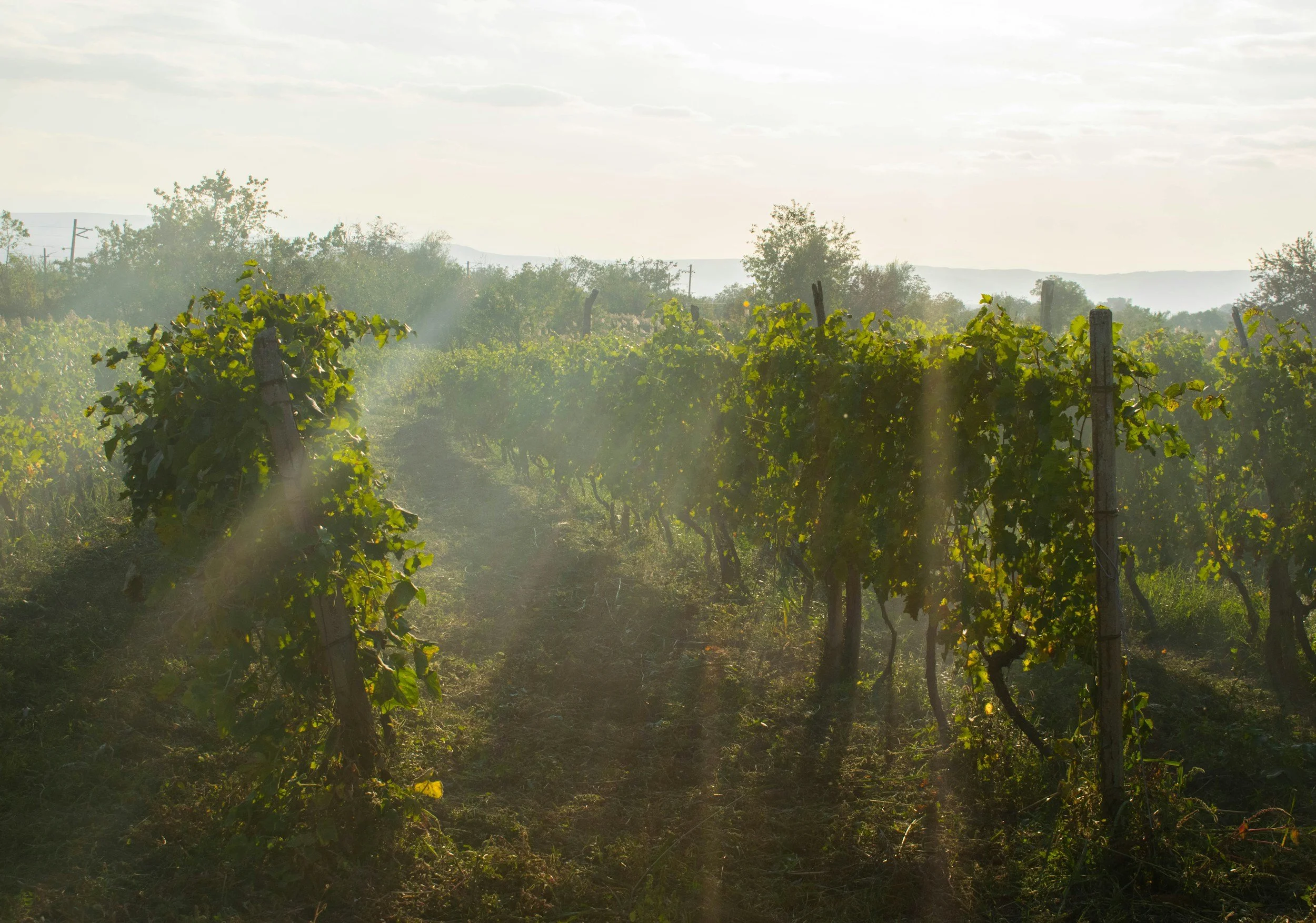
DID YOU KNOW
Nebbiolo takes its name from the Italian word nebbia - meaning "fog."
Each autumn, morning mist often blankets the hills of Piemonte just as Nebbiolo approaches harvest.
Whether the grape was named after this seasonal fog or the delicate bloom that covers its ripe berries remains uncertain. Either way, the connection between Nebbiolo and the misty hills of Piemonte has endured for centuries.
Nebbiolo at a Glance
Style
Dry red
Body
Medium to full-bodied with remarkable elegance
Structure
High tannins • High acidity
Aromas
Rose • Cherry • Raspberry • Violet • Liquorice • Truffle • Tobacco
Ageing Potential
Outstanding — often evolving beautifully for decades
Perfect With
Truffle • Mushroom dishes • Braised beef • Game • Aged cheeses
Discover Nebbiolo Through Four Expressions
-
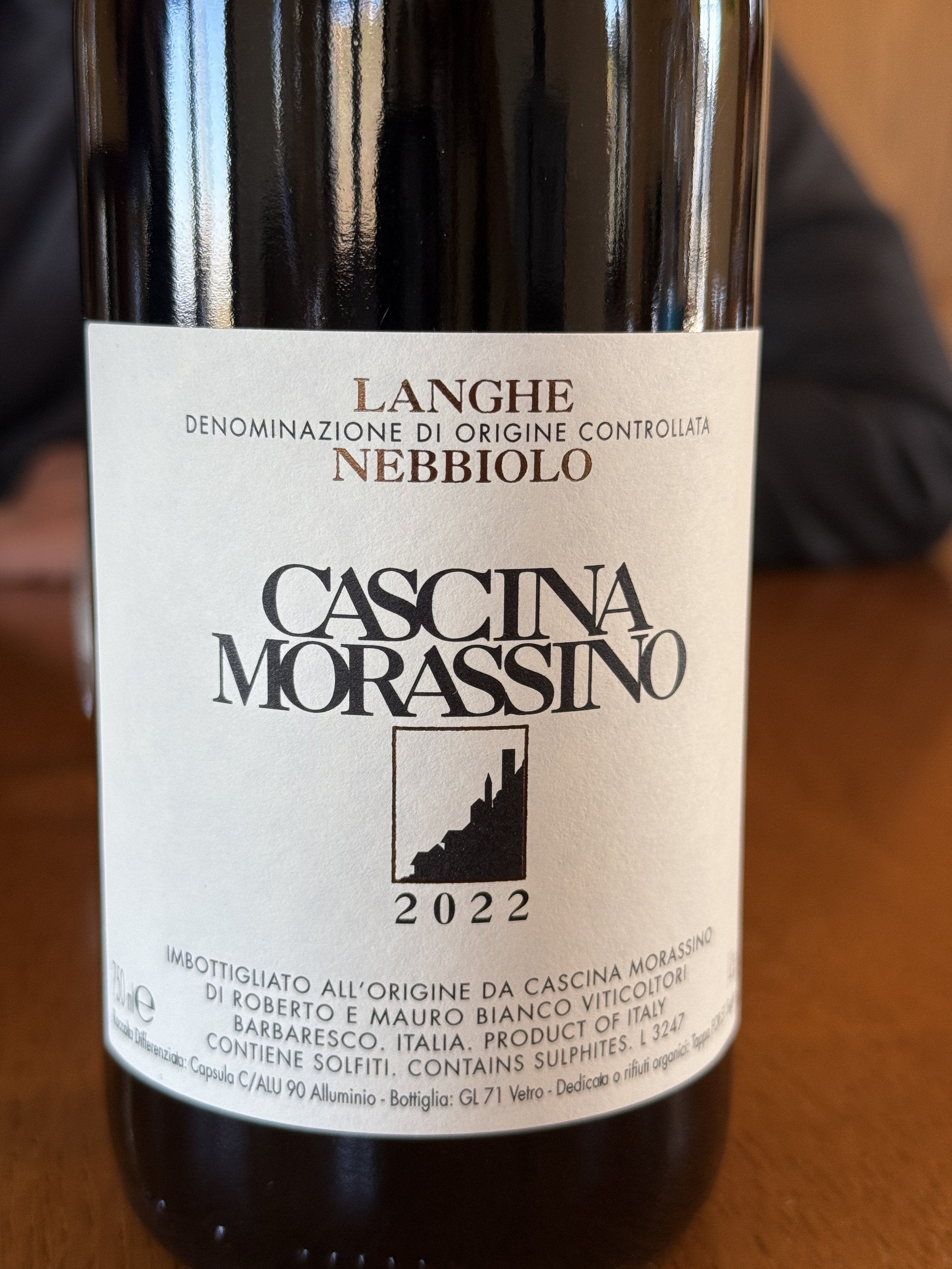
Langhe Nebbiolo
The Introduction
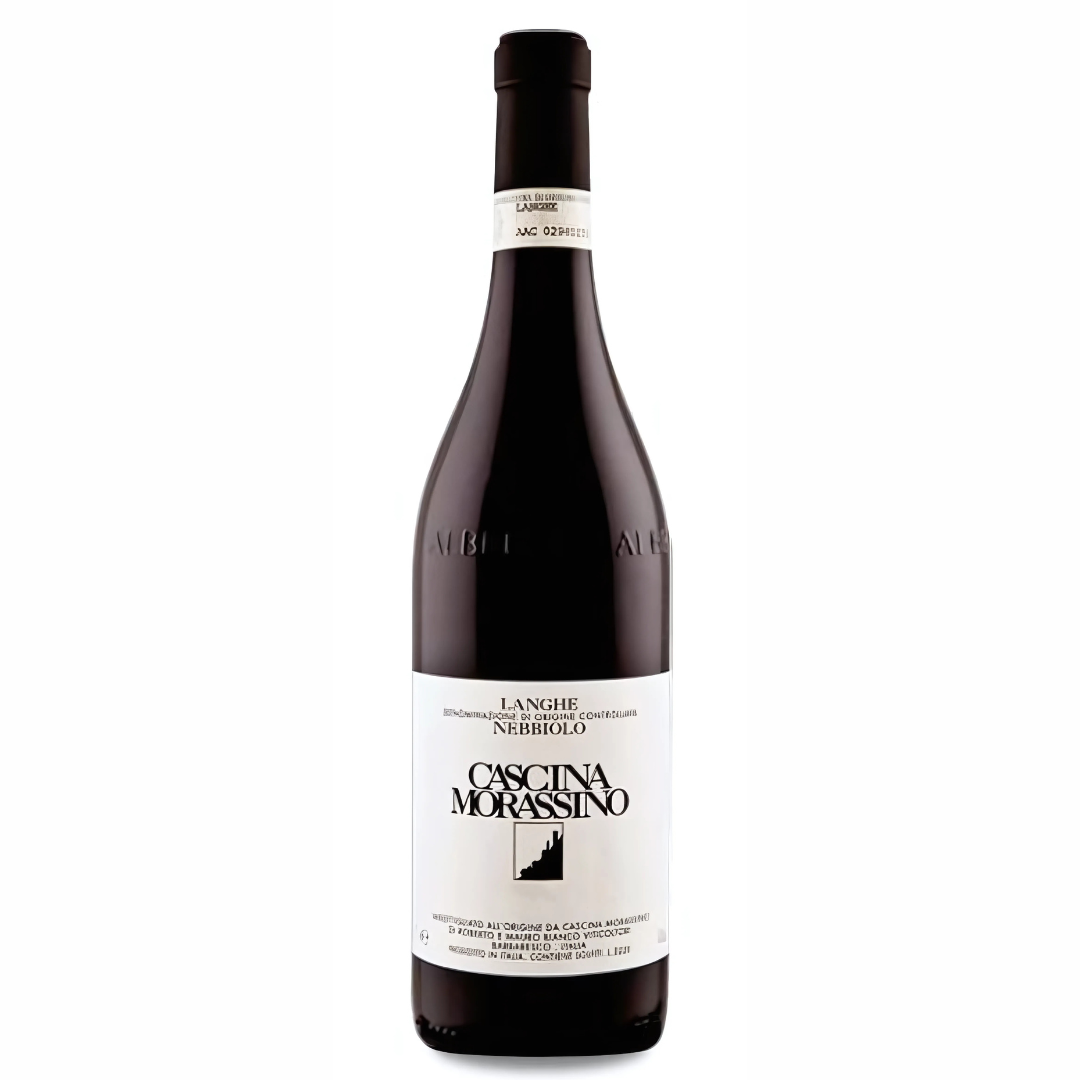
Fresh fruit, vibrant acidity and approachable tannins make Langhe Nebbiolo the perfect first step into the world of Nebbiolo.
Produced by Cascina Morassino.
-
Roero
The Hidden Gem
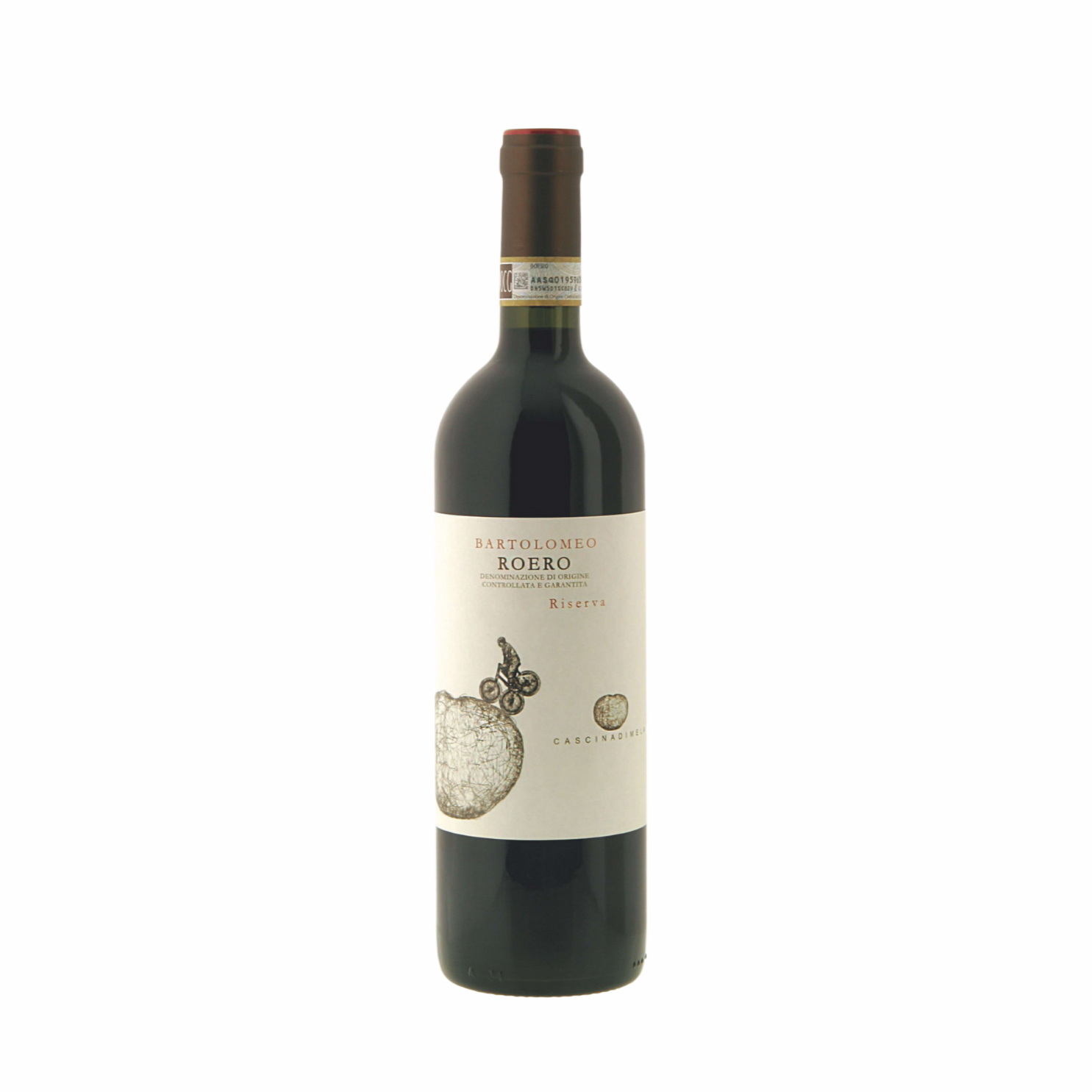
Roero's sandy soils produce a wonderfully floral, refined and silky expression of Nebbiolo.
Many guests arrive expecting Barolo to be their favourite. After tasting both side by side, they're often surprised to discover they prefer the elegance and finesse of Roero.
Produced by Cascina di Mela
-
Barolo
The Icon
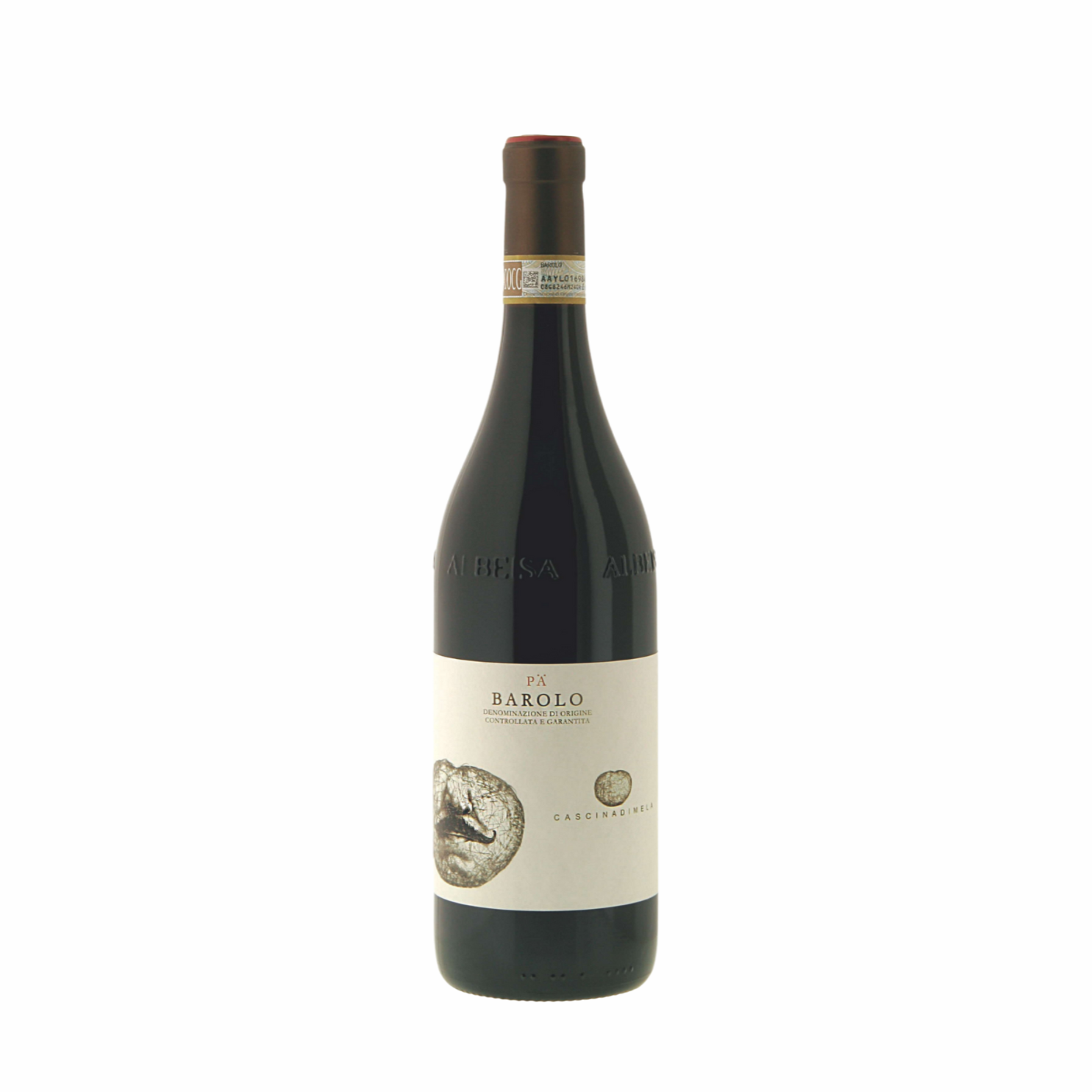
Powerful, structured and built for ageing, Barolo is one of Italy's most celebrated wines.
When tasted alongside Roero, it becomes a perfect reminder that terroir - not the grape itself - defines the personality of a wine.
Produced by Cascina di Mela
-
Barbaresco Ovello
The Collector
From the renowned Ovello cru, this is Nebbiolo at its most refined - perfumed, precise and beautifully balanced, with exceptional ageing potential.
Produced by Cascina Morassino.
Why Porcalorca Chose Nebbiolo
We don't believe the best way to discover Nebbiolo is by starting with the most famous bottle.
We believe it's by understanding the grape.
That's why our collection brings together four complementary expressions - from approachable Langhe Nebbiolo to iconic Barolo, elegant Roero and the remarkable Barbaresco Ovello.
Together they tell a richer story than any single bottle ever could.
Meet the Region & Winemakers
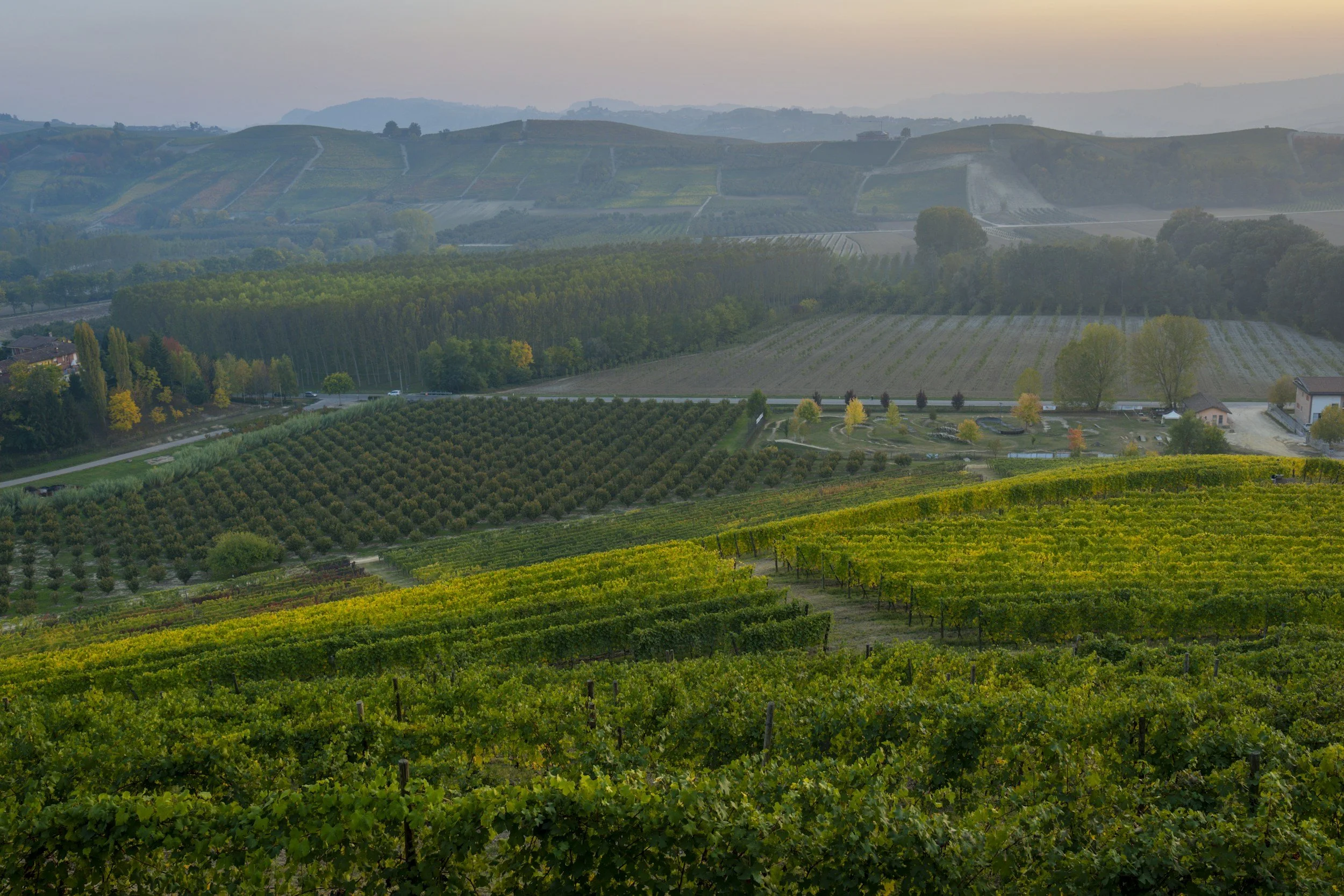
Piemonte
The beauty of Nebbiolo lies not only in the grape itself, but in the people and places that shape it.
Discover Piemonte through the eyes of two family wineries, each crafting wines that reflect their own vineyards, traditions and philosophy. Together, they reveal just how many stories one grape can tell.
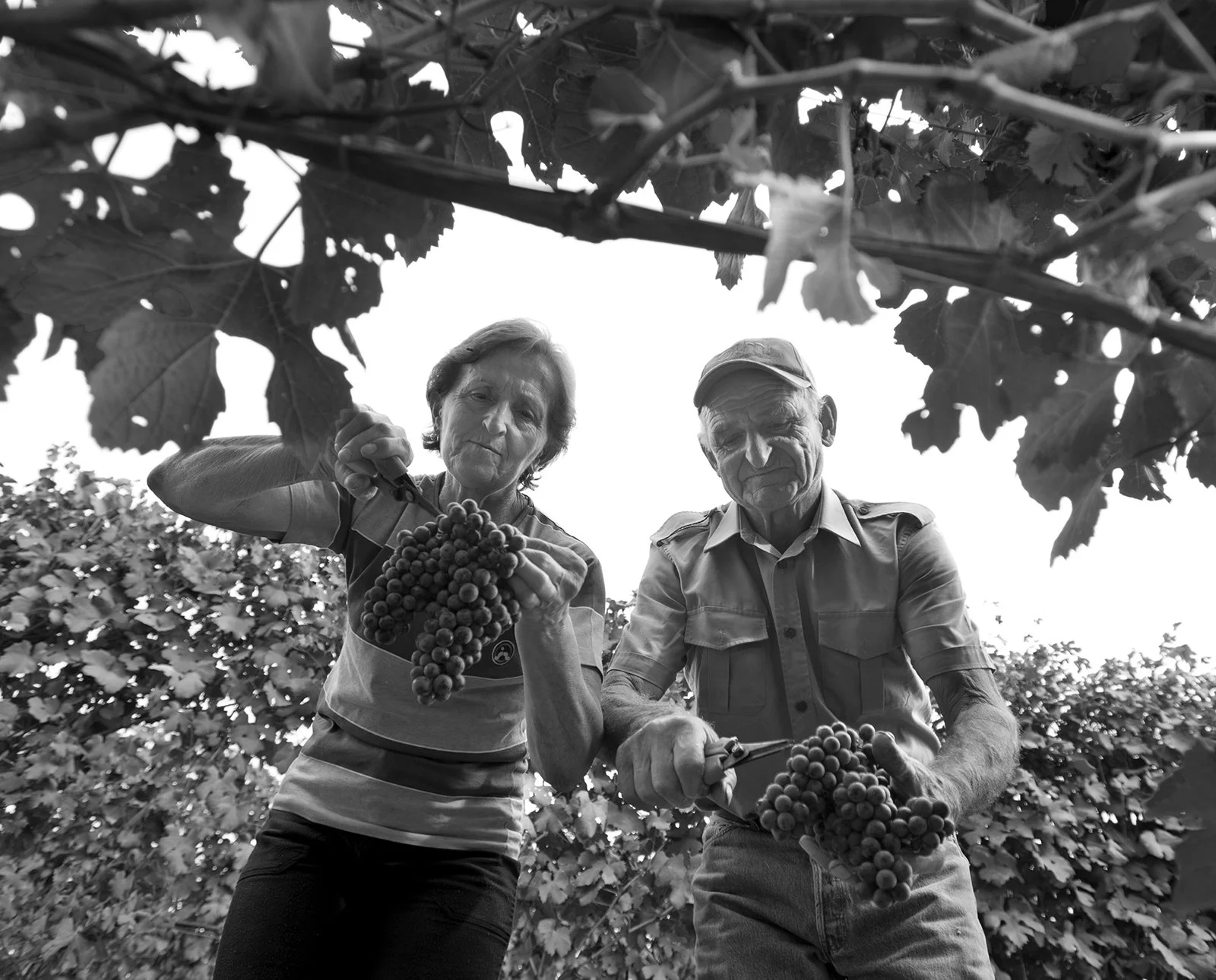
Cascina La Mela
From Barolo to Roero – two sides of Nebbiolo.
Cascina La Mela showcases the remarkable diversity of Nebbiolo through two neighbouring appellations. From the structure and longevity of Barolo to the elegance and floral finesse of Roero, every bottle reflects a deep respect for tradition, terroir and time.
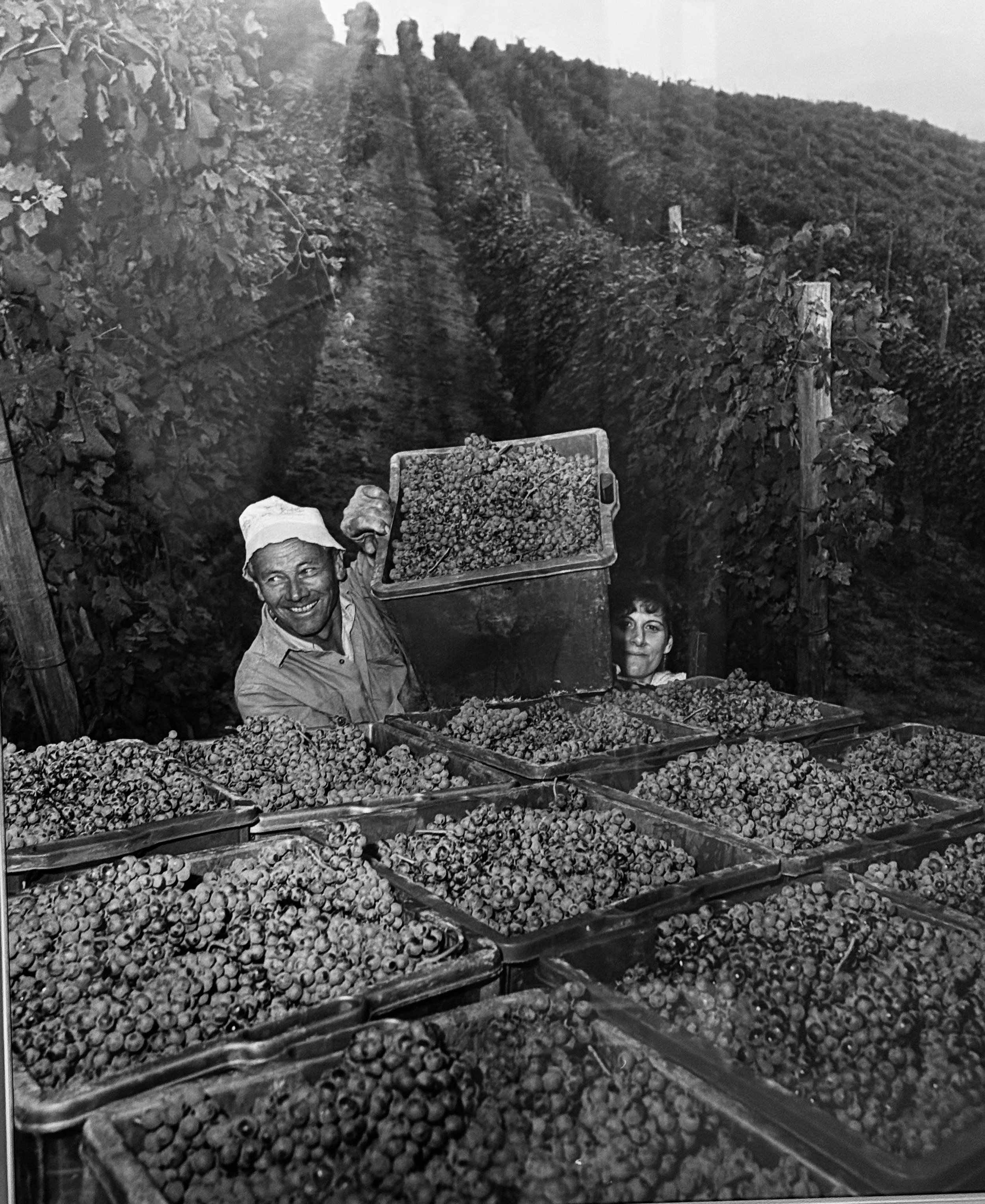
Cascina Morassino
Elegance from the heart of Barbaresco.
Nestled in the hills of Barbaresco, Cascina Morassino crafts Nebbiolo with precision and restraint. Their approachable Langhe Nebbiolo offers a beautiful introduction to the grape, while the celebrated Barbaresco Ovello cru reveals its depth, complexity and remarkable ageing potential.
Discover Nebbiolo at Porcalorca
Whether you're taking your first steps into Nebbiolo or looking for a bottle to cellar, our collection showcases the extraordinary diversity of one of Italy's greatest grape varieties.
Explore Langhe Nebbiolo, Roero, Barolo and Barbaresco - all selected from small family producers in Piemonte.
PIEMONTE
In the renowned hills of Barolo, Nebbiolo reaches its highest expression of elegance and longevity. Barolo PA from Cascina di Mela is made from the Michet, Lampia, and Rosé sub-varieties, grown at 350 meters above sea level in vineyards with ideal exposures and mineral-rich soils. Careful vinification and three years of aging - two in oak barrels and one in bottle - produce a wine of structure, balance, and aromatic complexity. A red of great personality, destined to evolve over time with harmony and finesse.
Grape variety
100% Nebbiolo.
Vineyards of origin
We select the ideal grapes for this wine from vineyard located in san Lorenzo di verduno, vineyards at 350 meters above sea level.
Soil: calcareous-clay with marl.
Training system: Guyot.
Season in the field: Manual harvest in second half of October, when the grapes reach full phenolic ripeness.
Average yield: 50 q/ha, 4,800 vines per hectares.
Vinification
Destemming, gentle pressing, fermentation for about 15–20 days at 26 °C, with pumping over and délestage to maximize color and varietal aroma extraction.
Aging: After malolactic fermentation, the wine matures in Slavonian and French oak barrels and casks, with weekly topping up and periodic tastings to monitor development for 24 months follewd by another 12 months in bottle.
Tasting notes
Brilliant garnet red color. On the nose, a broad and deep bouquet with notes of dried flowers and wild rose, evolving towards ethereal and tar-like nuances. On the palate it is velvety, rich, ripe, with impressive yet well-balanced tannins. Powerful and persistent.
Pairings
Excellent with grilled red meats, spit-roasted meats, haute cuisine dishes with white and dark sauces. Superb with truffle.
Alcohold content and serving temperature
Alcohol content: 13,5% Vol.
Serving temperature: 16 - 18°C.
End
PIEMONTE
Roero Riserva “Bartolomeo” is made from Nebbiolo grapes of the Michet, Lampia, and Rosé sub-varieties, grown at 330 meters above sea level in Montà d’Alba, in the heart of the Roero. Here, sandy and calcareous soils, combined with an ideal microclimate, allow for slow, complete ripening, producing wines of elegance, structure, and longevity. Traditional vinification enable this Nebbiolo to fully express its connection to the territory, offering aromatic complexity and a bold character.
Grape variety
100% Nebbiolo.
Vineyards of origin
Selection of the ideal grapes for this wine from vineyard located in San Vito di Montà d’Alba, at 350 meters above sea level.
Soil: Sandy and calcareous.
Training system: Guyot.
Season in the field: Manual harvest in second half of October, when the grapes reach full phenolic ripeness.
Average yield: 50 q/ha, 4,800 vines per hectares.
Vinification
Destemming, gentle pressing, traditional fermentation for about 15 days at 26 °C, with pumping over and délestage to optimize extraction of color and varietal aromas.
Aging: After malolactic fermentation, the wine matures in Slavonian and French oak barrels and casks, with weekly topping up and periodic tastings to monitor development for 24 months follewd by another 12 months in bottle.
Tasting notes Ruby red color with variable intensity. Fragrant bouquet with fruity notes of strawberry and cherry, enriched with spices and hints of licorice. On the palate, it is dry, decisive, pleasantly tannic, and full-bodied. A wine that demands attention and leaves a lasting impression.
Pairings
Excellent with fully flavored dishes, roasted red meats, and especially game, grilled red meats, spit-roasted meats, haute cuisine dishes with white and dark sauces. Superb with truffle.
Alcohold content and serving temperature
Alcohol content: 14% Vol.
Serving temperature: 16 - 18°C.
End
LANGHE NEBBIOLO DOC - PIEMONTE
Nebbiolo, named after “nebbia” (fog), captures the essence of Langhe’s misty autumns and the delicate bloom on its berries. This wine comes from a 0.9-hectare west-facing vineyard in Neive, planted in 1970. With just 5,300 bottles produced, it honors the region’s farming traditions and showcases the timeless charm of Langhe.
Grape variety
100% Nebbiolo.
Vineyards of origin
For this wine the grapes are selected from a west facing vineyard of 0,9 ha planted in 1970 in the village of Neive, in the heart of Langhe.
Soil: Clay-limestone soils provide the perfect environment for this grape variety to fully express its potential
Training system: espalier with Guyot pruning, 5/6 buds per plant.
Season in the field: It was the driest and hottest year in Piedmont since 1950, but despite the challenging climatic conditions, the Langhe vineyards demonstrated an extraordinary ability to adapt. The season was marked by early budbreak and flowering, with severe drought reducing yield per hectare while limiting fungal diseases. Harvest, which began on September 22nd, resulted in smaller grapes and a favorable skin-to-pulp ratio, improving tannin and color concentration. The 2022 wines will be of excellent drinkability, balance, and good aging potential.
Average yield: 60 q/ha.
Vinification
Both fermentation and maturation take place in stainless steel.
Aging: 6-8 months in stainless steel followed by anoter 4-5 months in bottle.
Tasting notes
Ruby red color with garnet red reflections and a fruity nose with hints of violet. The taste is full, pleasantly tannic and very persistent.
Pairings
It pairs well with first courses such as risottos with game, roasted meats, and grilled red meats, as well as cheese.
Alcohol content and serving temperature
Alcohol content: 14 % Vol.
Serving Temperature: 16 - 18 °C.
End
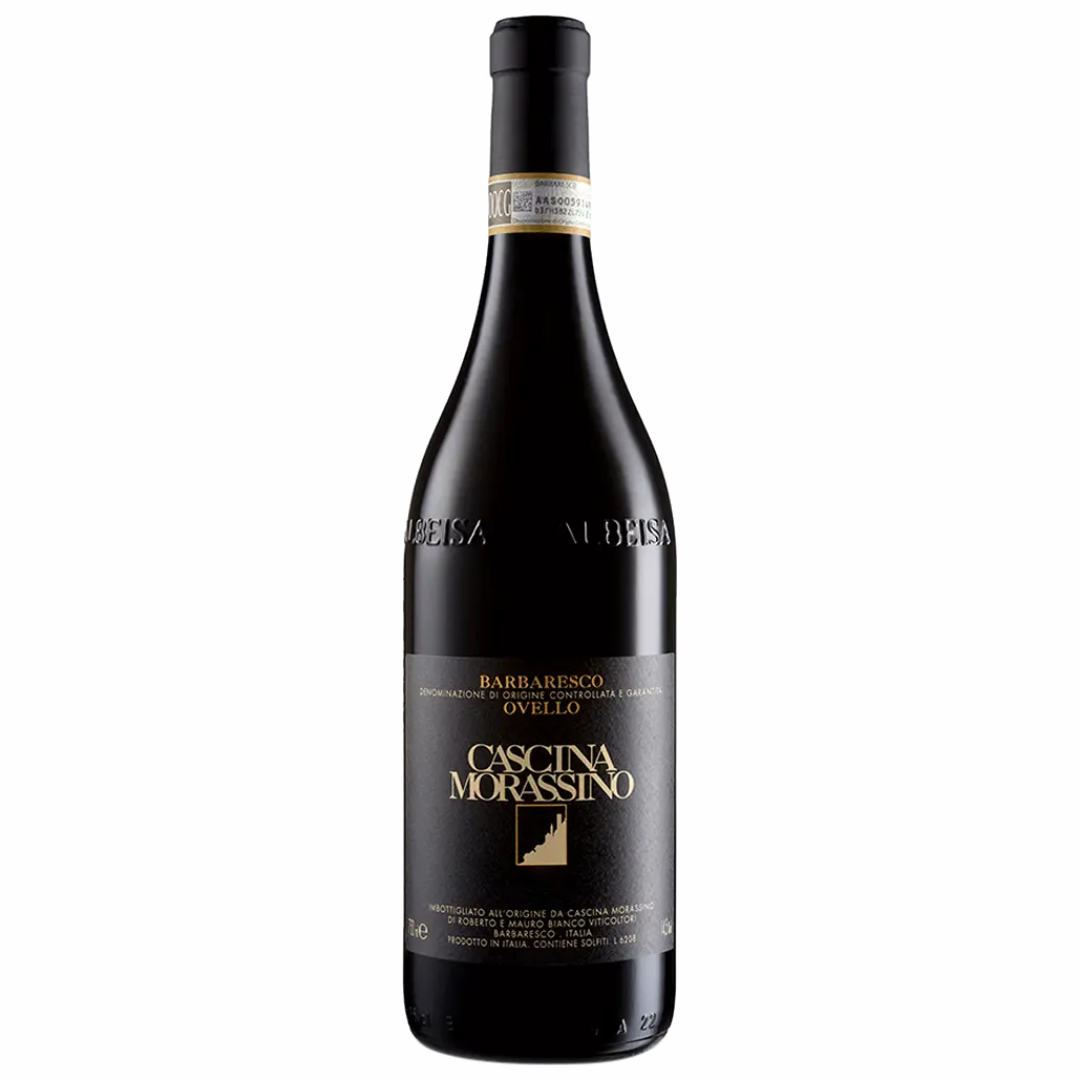
BARBARESCO DOCG OVELLO - PIEMONTE
Each sip of Barbaresco reveals the refined soul of Piemonte—its land, its people, and its history—encapsulated in a wine of elegance, balance, and profound depth. Roberto meticulously selects only the finest grapes, ensuring that every bottle embodies the essence of this extraordinary region.
While Roberto could label all his Barbaresco wines with the prestigious Ovello MGA (Menzione Geografica Aggiuntiva), he reserves this distinction for just 4,000 bottles produced in 2021. These wines are crafted exclusively from hand-selected grapes and fermented using only the purest must, delivering an unparalleled expression of Barbaresco's heritage and character.
Grape variety
100% Nebbiolo.
Vineyards of origin
The grapes used for the Barbaresco Ovello are harvested from the best exposed vineyard a south-east facing vineyards in the village of Barbaresco with the optimal soil composition. A further selection is then made within that vineyard by locating the portions with the ripest and healthiest grapes.
Soil: Clay-limestone soils provide the perfect environment for this grape variety to fully express its potential.
Training system: espalier with Guyot pruning, 5/6 buds per plant.
Season in the field: The 2021 vintage began with a mild winter, rich in precipitation, including snow, ensuring an excellent water reserve in the soil. Vegetative growth was regular, with minor, localized frosts in mid-April that reduced the yield but did not affect the quality of the harvest. A long period of fine weather followed through the spring and summer, with temperatures in line with seasonal averages and some thunderstorms between June and July. Excellent temperature fluctuations during the harvest period allowed the grapes to reach optimal maturity, achieving a good balance of sugar, freshness, and polyphenols. The harvest began on September 14th and concluded on October 2nd.
Average yield: 60 q/ha.
Vinification
Both fermentation and maturation take place in stainless steel.
Aging: It ages 12 months in a new large oak cask, not older that three years and further refinement of 14 months in bottle.
Tasting notes
The use of large oak casks provides for the traditional Barbaresco Morassino mark with its ruby red color and orange hues and wide round aromas. In the mouth is austere, but the tannins released by the grapes from older plants makes it mellow, softer and long, already fulfilling a few months after is bottled. It is structured, spicy, and complex.
Pairings
Best paired with meat and game dishes, as well as matured cheeses. Due to its balance and pleasant complexity, it also makes for an excellent wine for meditation.
Alcohol content and serving temperature
Alcohol content: 14,5 % Vol.
Serving Temperature: 16 - 18 °C.
End
FAQs
-
Nebbiolo is an indigenous red grape from Piemonte in northwestern Italy. It is the grape behind Barolo, Barbaresco, Roero and Langhe Nebbiolo.
-
No. Nebbiolo is the grape. Barolo is one of the regions where Nebbiolo is grown and produced under strict DOCG regulations.
-
Expect aromas of rose petals, cherries, raspberries and violets, supported by high acidity and firm tannins. With age, Nebbiolo develops notes of truffle, tobacco, dried fruit and forest floor.
-
Nebbiolo naturally contains high levels of tannins, giving the wines their structure and remarkable ageing potential.
-
Both are made from 100% Nebbiolo, but Roero's sandy soils often produce a more floral, elegant and silky style, while Barolo is generally more structured and powerful. Tasting them side by side is one of the best ways to appreciate the influence of terroir.
-
Langhe Nebbiolo is often the most approachable expression of the grape, offering freshness, bright fruit and elegance while introducing the classic character of Nebbiolo.
-
Ovello is one of Barbaresco's historic crus, known for producing wines of exceptional perfume, precision and ageing potential.
-
Nebbiolo pairs beautifully with truffle dishes, mushroom risotto, braised meats, game, aged cheeses and traditional Piedmontese cuisine.
-
Because we believe the best way to understand Nebbiolo is through comparison. By tasting Langhe Nebbiolo, Roero, Barolo and Barbaresco side by side, you experience how one grape can tell four very different stories.